
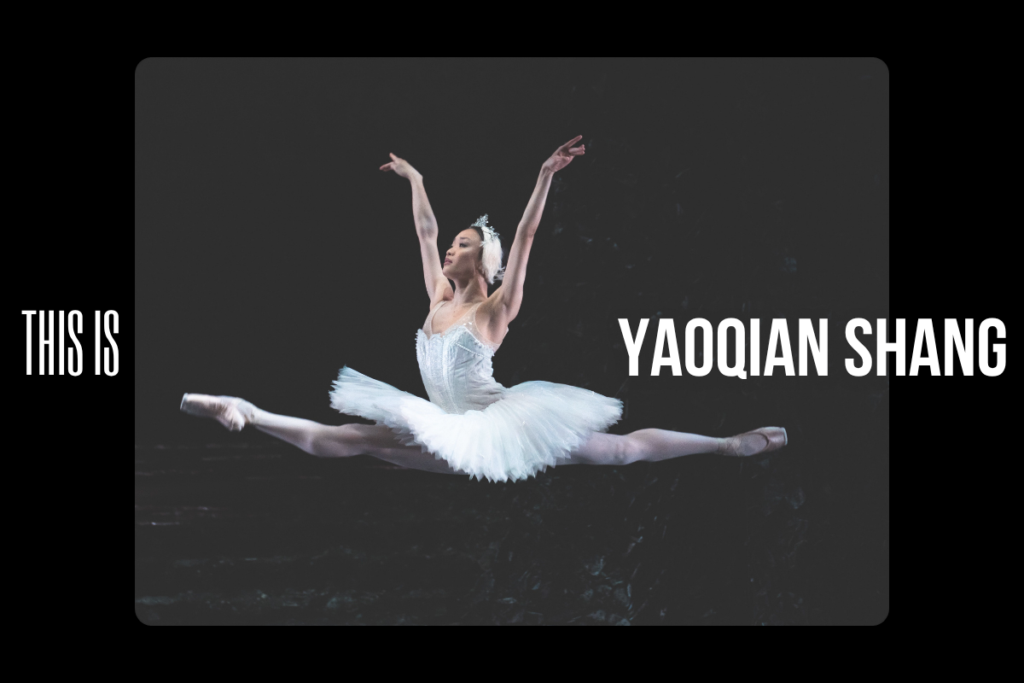
100 stories: Yaoqian Shang
As part of our centenary year, we are featuring 100 stories that make up The Royal Ballet School’s past, present and future. Today, we share the story of alum, Yaoqian Shang, Principal dancer with Birmingham Royal Ballet.
Born in China, Yaoqian trained with Beijing Dance Academy from the age of 9. Whilst competing at the Youth America Grand Prix (YAGP), our former Artistic Director, Gailene Stock, spotted Yaoqian and offered her a scholarship to train with The Royal Ballet School. Yaoqian joined the School at 16 and was a recipient of the Dame Ninette de Valois Award for the Most Outstanding Female Graduating Student and the Ballet Association Award. Upon graduating from the School in 2013, Yaoqian joined Birmingham Royal Ballet and was promoted to Soloist in 2016, First Soloist in 2018 and Principal dancer in 2022.
In this interview with Yaoqian, we delve into her memories of training at the School and her career highlights.
How did you hear about The Royal Ballet School?
When I was a child, we didn’t have access to YouTube or anything like that. There was a man who sold second hand DVDs, and we would pick whatever we liked. My favourites were always of Royal Ballet productions, such as Mayerling, Manon, and Coppélia. Later I watched Billy Elliot where I saw The Royal Ballet School and realised it was the best place to receive world-class training.
I had never left China until I competed in New York at the Youth America Grand Prix (YAGP). The Royal Ballet School’s Artistic Director at the time, Gailene Stock, approached me after the first round of the competition and offered me a three-year scholarship. It felt like a dream come true, I said yes before I consulted my parents.
What did that scholarship mean to you?
My family wouldn’t have been able to afford for me to train at the School without it. I believe I was the first student from mainland China to receive this scholarship, it truly felt like winning the lottery. My sponsors were the loveliest family. They came to see me graduate and met my parents then. They were incredibly generous and expected nothing in return. I was so fortunate to have that support, I wouldn’t have this life without it, and I remain deeply grateful.
What was your first impression of the UK and the School when you arrived?
I arrived later than my year group because I had to finish school in China. When I landed at Heathrow, I had five suitcases, my mum had packed everything: duvet, a rice cooker, pillows, pan and a pot! We didn’t know what would be provided. The house parents picked me up at the airport and when I arrived at the boarding house, some of my classmates were there to welcome me. It was incredibly heartwarming. I had never been to the UK before and didn’t know what to expect. Everyone was so kind and supportive. At the time, I didn’t speak any English, and Chinese is completely different. My friends and teachers helped me immensely. We learned about British culture as well as the language, often through watching films together.
What are some of your favourite memories from your time at the School?
My best memories are the friendships I have made; we still meet up to this day which is very fortunate, I loved the people in my year group. I also remember my teachers fondly, luckily I still get to see Ms Tranah, who I adore so much. Every time when we see each other, it feels like nothing has changed, which I will cherish forever. It was such a nurturing environment and one of the happiest times of my life.
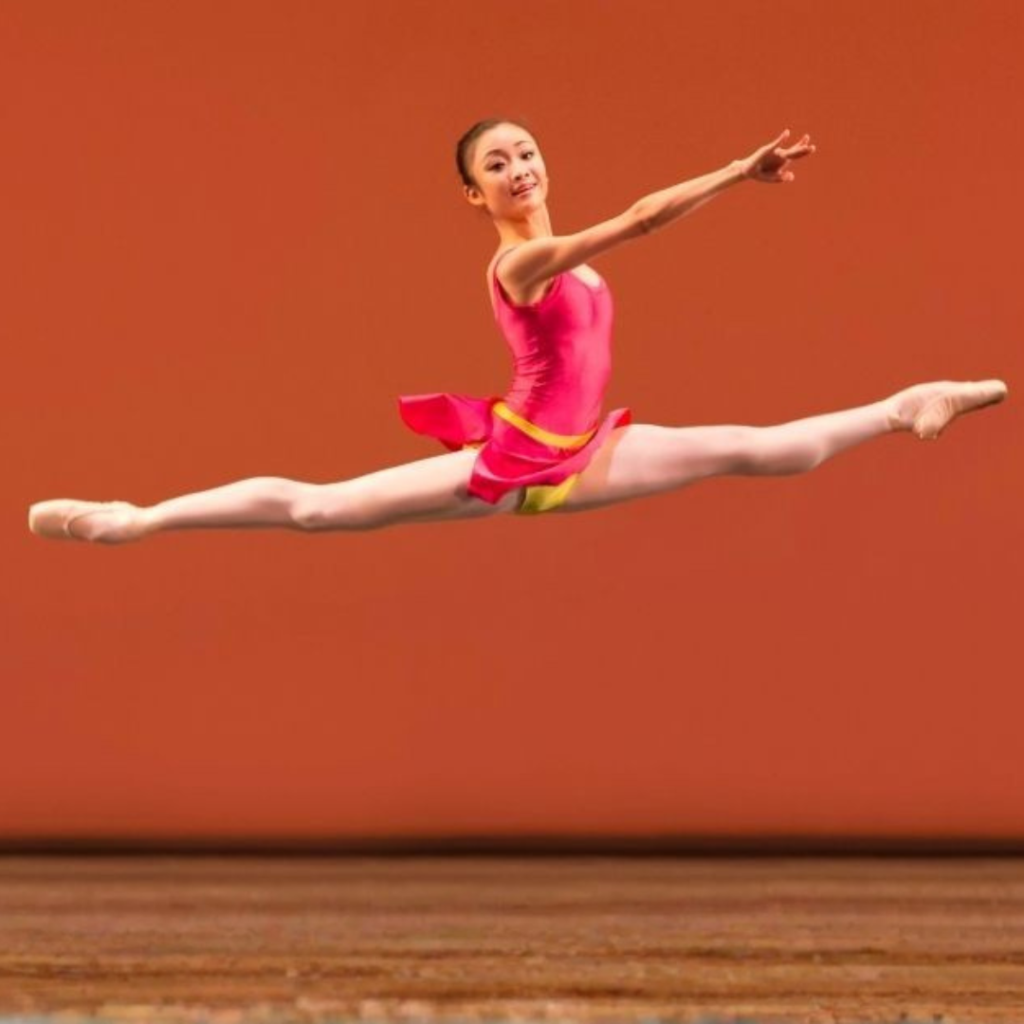
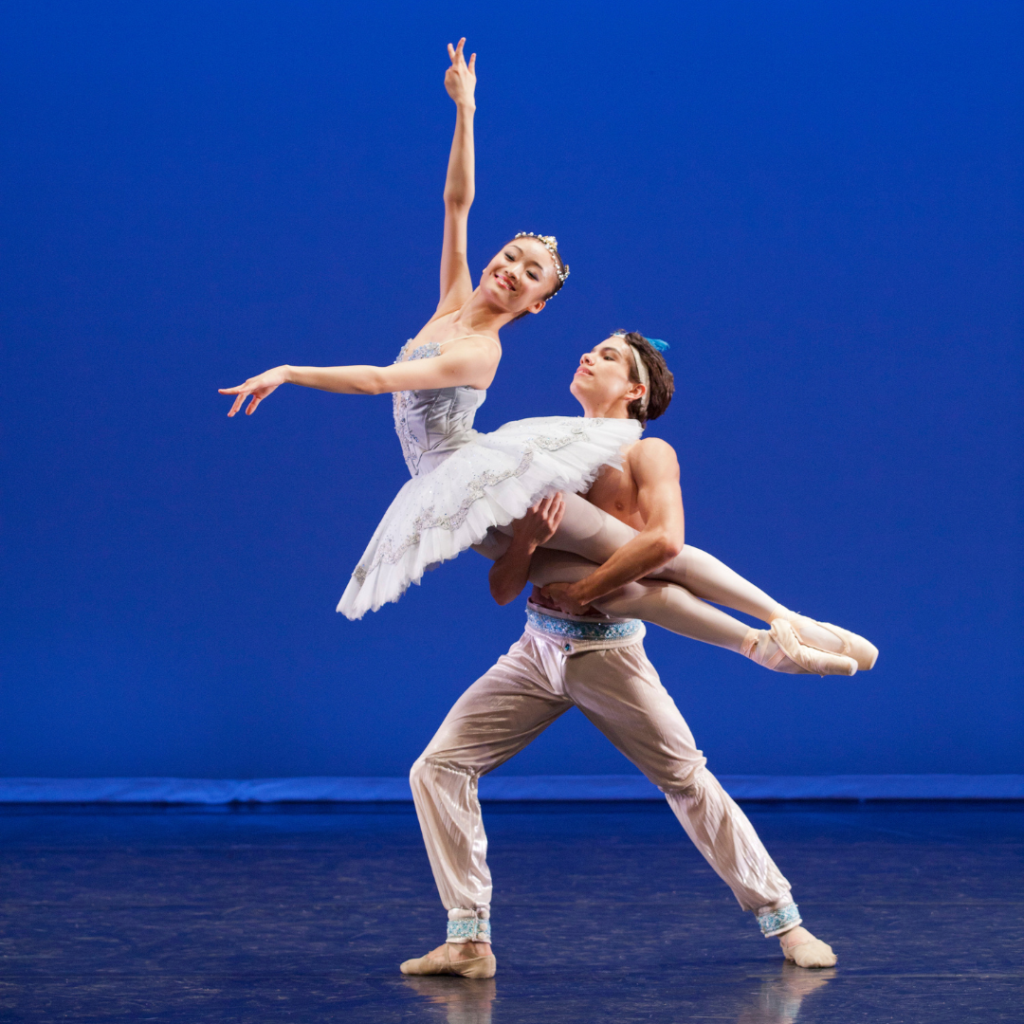
Yaoqian performing whilst a student at the School.
What were your experiences like performing at the School?
We had incredible opportunities and great repertoires. Alastair Marriott created Simple Symphony on us in 2nd Year and we also performed Yondering by John Neumeier and was staged by the wonderful Kevin Hagen. Jean-Yves Esquerre came and taught us Bejart’s 7 Dances Grecques (Seven Greek Dances) in 3rd Year. I learnt so much from them and I was coached so well by all the teachers. I really enjoyed the performances. It was a wonderful experience performing at the Linbury Theatre and on the Royal Opera House main stage. Each time you work with a new choreographer or répétiteur, you gain a deeper understanding of ballet and dance. We were very fortunate to have so many inspiring artists to work with us.
We also had opportunities to perform abroad. We went to New York on an exchange programme with American Ballet Theatre Studio Company, where we performed five pieces, it was very well received. We also travelled to Canada for the International Choreographic Exchange, performing a work by Marcelino Sambé. Meeting other dancers in that setting was very exciting for all of us. These experiences were unforgettable.
Tell us about working with The Royal Ballet and Birmingham Royal Ballet while you were a student.
I performed with The Royal Ballet in La Bayadère, La Valse, The Nutcracker, Firebird, and Symphony in C, which was staged by Patricia Neary. She was incredible and truly legendary. Working with the Company so closely as a student gave me an insight into how companies run and I got to watch and learn from world-renowned dancers which was a lifelong aspiration of mine.
Who did you look up to at the School?
I loved watching Willam Bracewell and Brandon Lawrence. Such beautiful dancers! My year was also incredibly talented. I was dancing with Marcelino Sambé, Anna-Rose O’Sullivan, Matthew Ball, Esteban Hernández, Nikisha Fogo, Luca Acri, Mariko Sasaki, Annette Buvoli, David Donnelly, Danielle Muir and Matthew Knight. The list goes on! There were incredible artists in my year, and I admired them so much.
Did you have a favourite teacher?
I appreciated all my teachers as each of them brought their style of training. In 1st Year we had more Russian training taught by Mr Pakri which was very close to my training back home. In 2nd Year Mr Peden and Ms Young helped me develop a strong English style and solid technique. In my final year, Ms Tranah encouraged us to dance from the heart. Her energy was very inspiring, especially on demanding days. She also introduced us to floor barre, which strengthened us and prepared us for the varied demands of company life.
What was the transition from School to Company like?
That’s when real life begins, you have to think about things like paying bills! I received the Dame Ninette de Valois Award for the Most Outstanding Female Graduating Student and the prize money helped cover the deposit for my first apartment that I shared with my friend Mariko Sasaki. Going to work each day felt easy. We already knew many people in the Company, and under David Bintley’s direction, I was fortunate to perform a lot early on, including principal roles. At the School it felt like we were training for a race, then suddenly you arrive in a Company and it’s time to go! Aside from life admin, I felt well prepared.
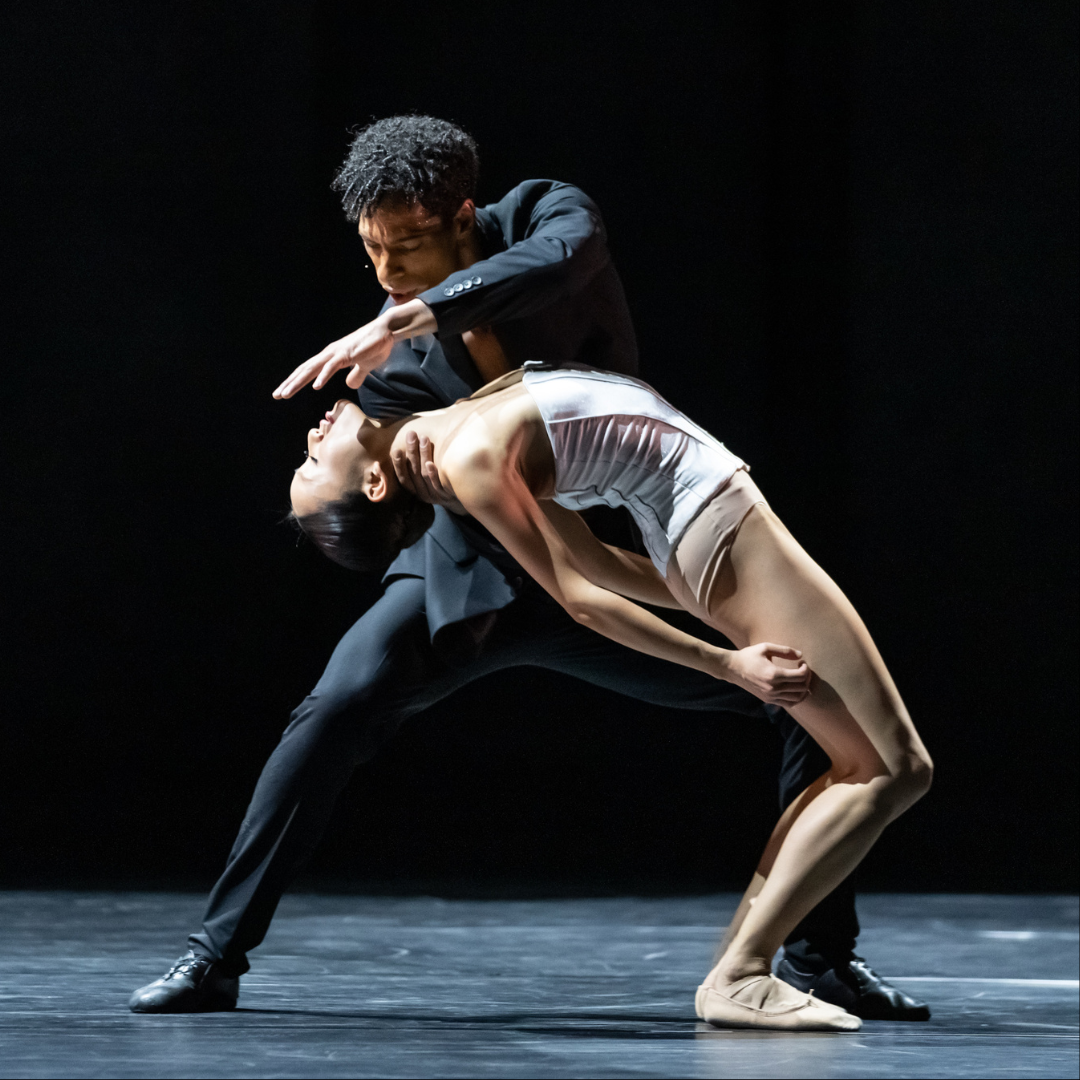
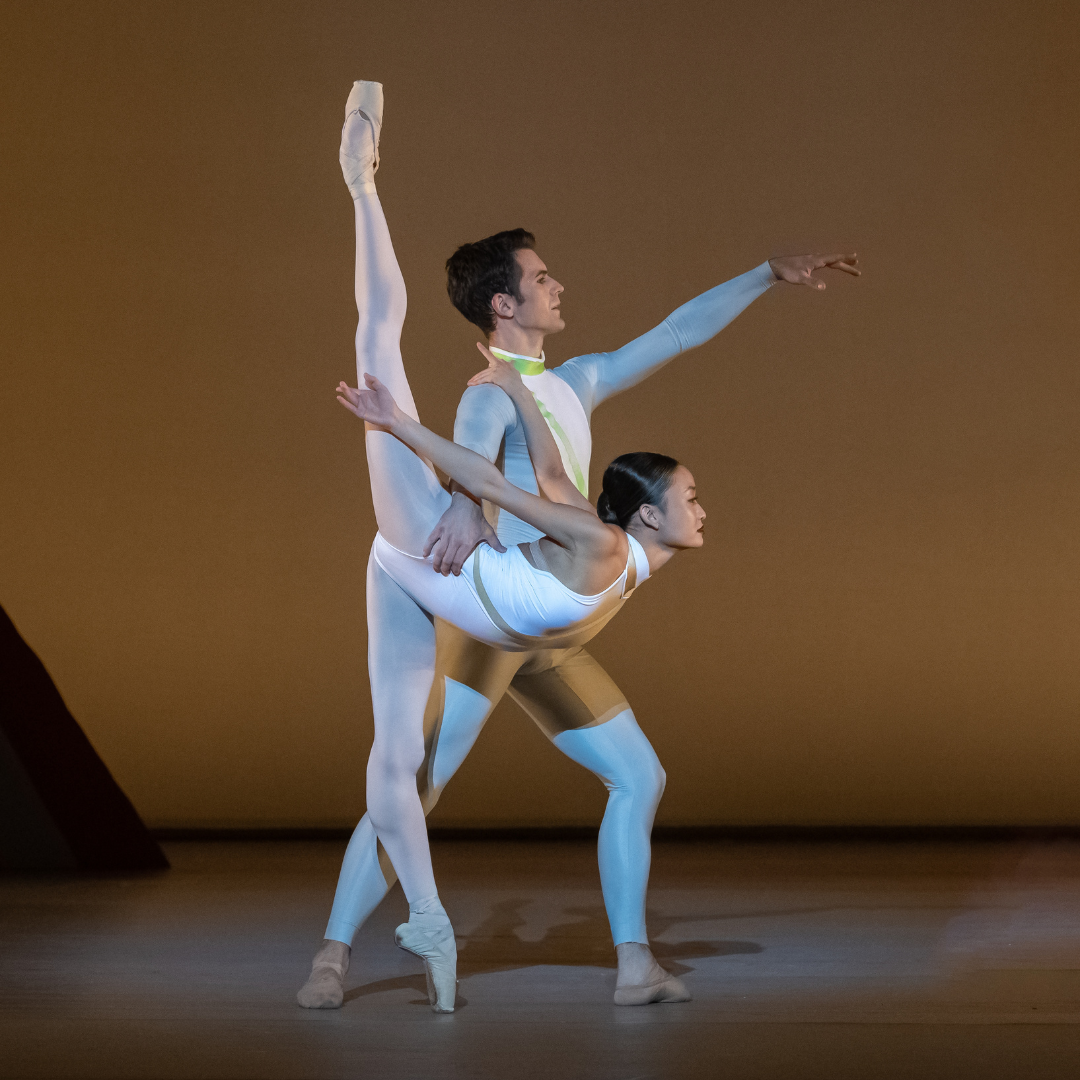
Yaoqian performing with Birmingham Royal Ballet
What are some of your career highlights?
Performing the classical repertoire I always dreamed of has been incredibly rewarding. Swan Lake, Romeo and Juliet and Don Quixote stand out. Working on Jiří Kylián’s Forgotten Land and Edward Clug’s Radio and Juliet was also very special. Creating new work, such as Juliano Nunes’ Interlink, has been another highlight of my career.
What is your process for developing a character?
It begins with researching the role and understanding the character, so I can fully tell the story through movement. Music is my starting point; it shapes the mood and gives me direction. Before going on stage, I take three deep breaths to ground myself and take in my surroundings. I try to act in the moment and be fully present, which helps me connect to the character in a way that goes beyond what I can achieve in the studio alone.
What has been the most challenging ballet to perform?
Swan Lake is incredibly demanding both technically and emotionally. It feels relentless, particularly because the audiences know it so well and so many ballerinas have performed the role, which sets an exceptionally high standard. Preparing for it took time. I focused on building strength, as well as refining the arms and developing the softness and fluidity of the spine required for Odette/Odile.
How do you support the next generation of dancers?
The talent in our junior company, BRB2, is extraordinary. They’re very passionate. I had the opportunity to coach them in Ben Stevenson’s End of Time, and I was deeply inspired by their individuality and artistry. Teaching them also made me reflect on my own approach. It’s a two-way process, I learn from them as much as they learn from me. With access to new technologies and evolving training methods, they bring fresh perspectives. Sharing knowledge in this way benefits everyone in the industry.
Have you thought about life after performing?
I enjoy teaching, as it encourages reflection and opens new ways of thinking. Since 2024, I have also been running summer schools in China, and I would love to continue developing this, giving back and supporting the community, alongside national and international crossover in dance companies.
Is there anything you learnt at the School that you still use today?
Besides the hard work and consistency, the School taught me the importance of alignment. While some training focuses on extremes, this approach emphasised control and strength. It’s about quality of movement and smooth transitions.
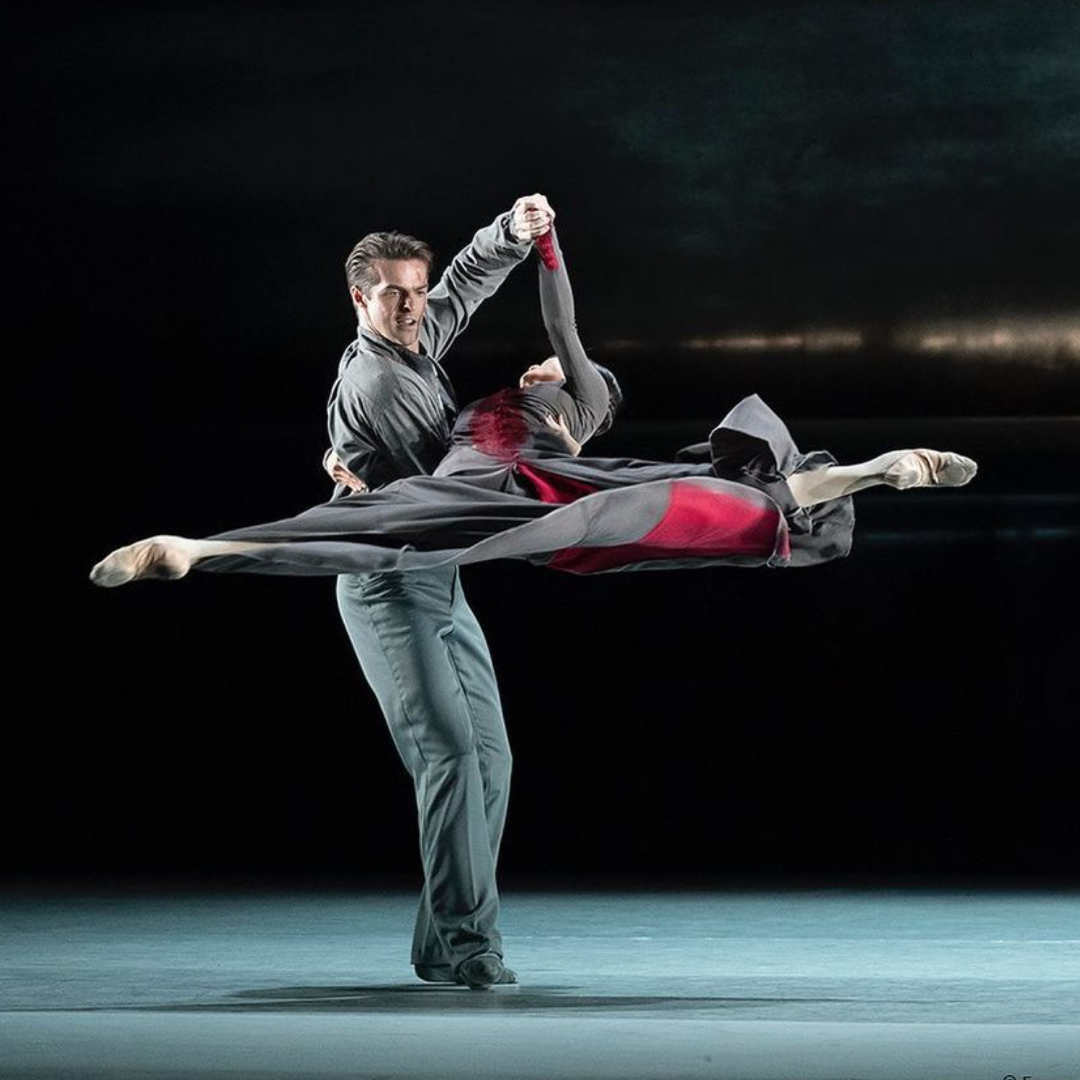
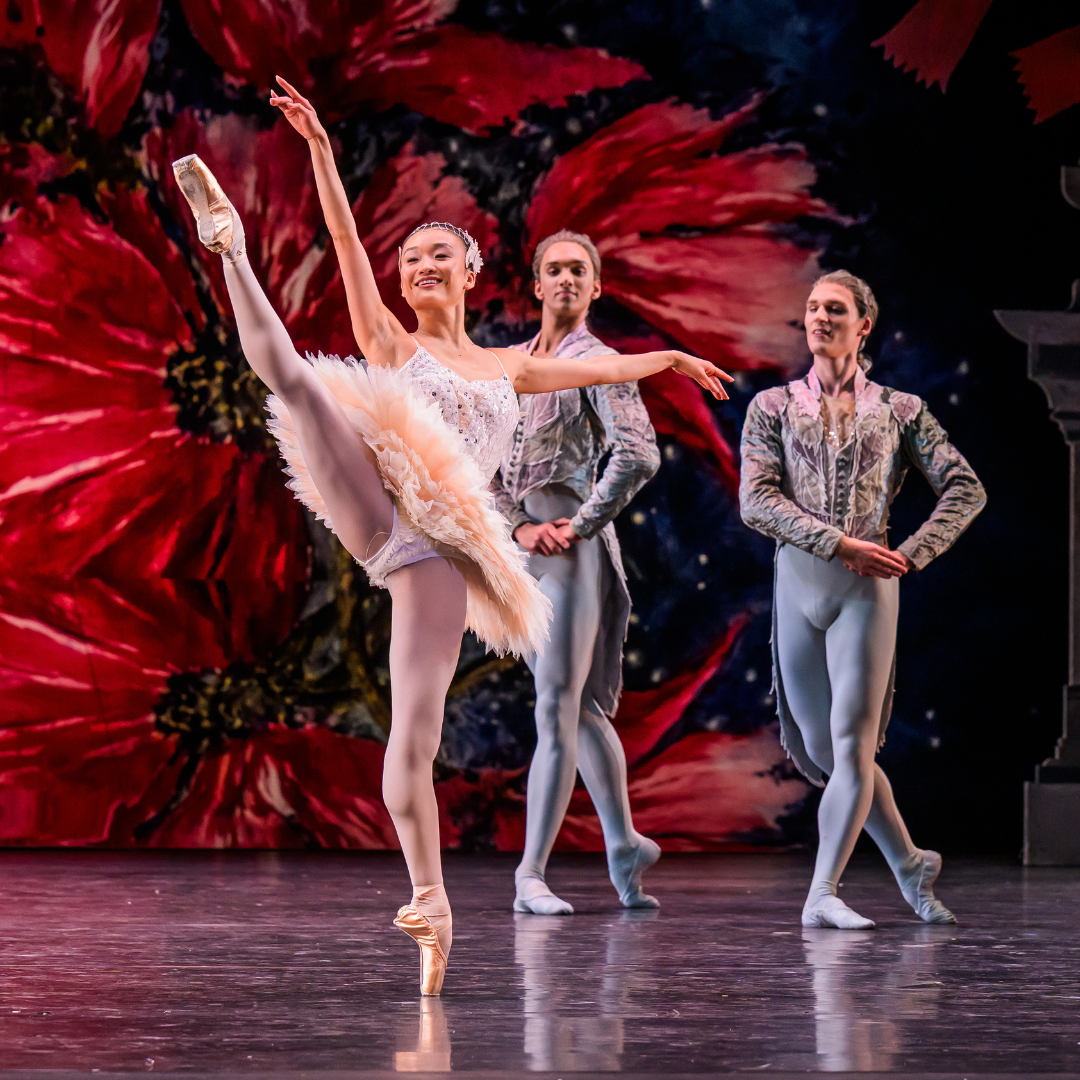
Yaoqian performing with Birmingham Royal Ballet
What keeps you inspired?
Working on new repertoire constantly challenges me and helps me discover new ways of moving. That, in turn, enriches my approach to classical works, you can’t have one without the other. Continuously challenging myself and learning new skills also keeps me inspired, both as an artist and in life.
What change would you like to see in the ballet industry?
I would love to see more collaboration between UK or international dance companies. I got to experience this during a Kenneth MacMillan celebration, and it was really rewarding. Although it’s a small industry and we all know each other, we don’t often work together. It would be great to see more crossover between the dance companies. Greater collaboration and knowledge-sharing would help the art form continue to evolve.