
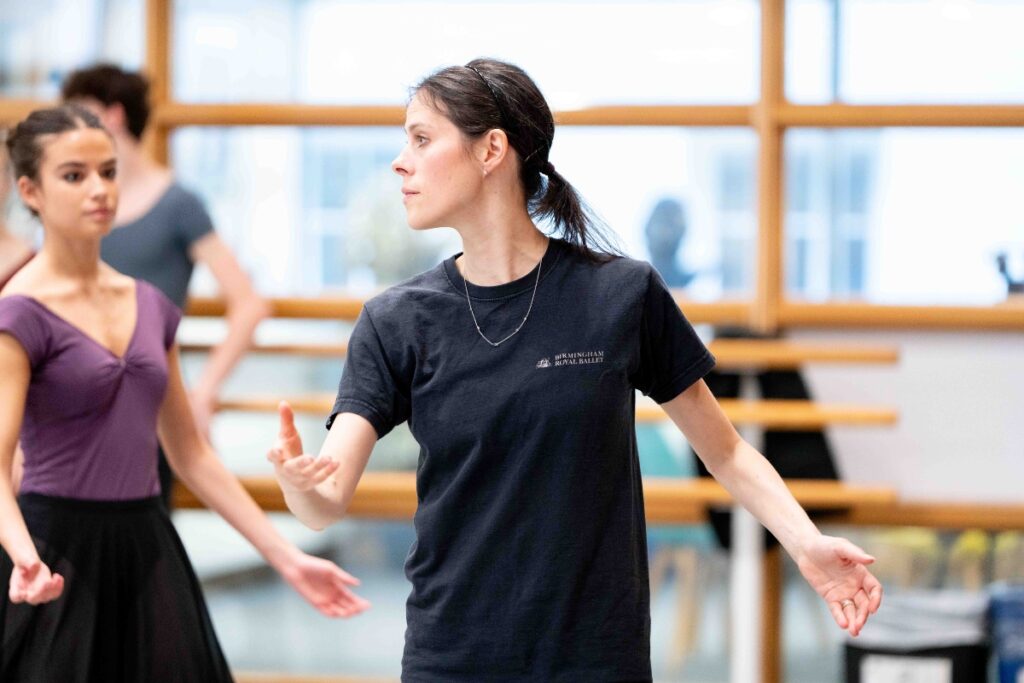
‘Refine all the time:’ alum Samara Downs on staging Checkmate and Swan Lake for our Summer Performances
School alum and Birmingham Royal Ballet Principal dancer Samara Downs recently returned to the School to set Ninette de Valois’s Checkmate and Peter Wright’s Swan Lake on our Upper School students for our 2026 Summer Performances. She has previously worked with our students on Frederick Ashton’s La Valse for our 2024 Summer Performances.
Samara talked to us about her experience working with the students after a Swan Lake Spanish divertissement rehearsal. ‘The students were brilliant and so receptive. It’s also particularly lovely to be touching on Sir Peter Wright’s version of Swan Lake. I know the production very well having danced in it for many, many years, so it’s nice to be in a position to teach it to the next generation.’
As a choreologist and Benesh Movement Notator, Samara works with written scores to set the choreography while also imparting the nuances she learned from those who taught it to her in the Company. ‘I love using the Benesh Movement Notation scores to go about learning and analysing the choreography. The analysis which goes into writing these scores takes many, many hours and gives you structure, immense attention to detail and, critically, the intention of the piece. To have all that analysis done by your predecessors is like a present dropped into the palm of your hands. In this case, much of the Benesh Movement Notation score that I am working from is Denis Bonner’s, who taught me the ballet alongside Marion Tait, both of whom the students will be lucky enough to work with directly.’
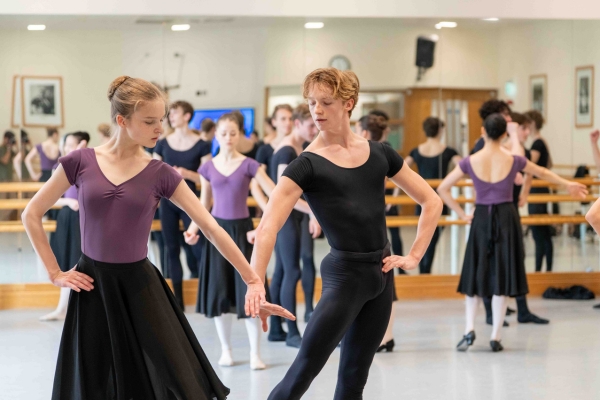
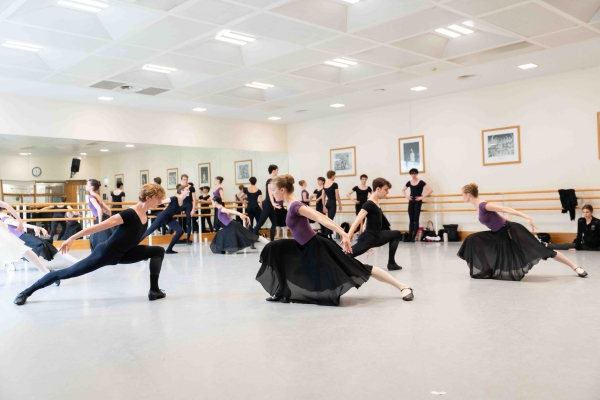
To prepare to set a work, she studies the Benesh Movement Notation and music scores ahead of time. Sometimes, if there are rehearsals going on at Birmingham Royal Ballet of a work she is setting, she will watch in the studio. Often, she is also looking at different video recordings, to see where anomalies appear and comparing back to the notation score, which is often helpful in raising questions and finding clarification, and can help to understand the evolution of the choreography.
‘The videos give context to how a work has been performed and what others have done with it. There is usually a large amount of interpretation that comes with that, so it’s looking at what works, what is true to the intention of the work and what has deviated a little bit.
For example, I remember Denis teaching me Spanish and Marion teaching me Odette/Odile. I feel really privileged to have been taught by them because they were there at its inception, so I feel a responsibility to pass on their knowledge and keep the production true to its roots.
Sometimes, questions crop up over a phrase of movement, because it might have been performed in a couple of different ways. In these cases, it is always so helpful to refer back to the notation and see how the choreologist chose to record the intention of the movement. I’m also able to draw on my experiences in the studio with Denis and Marion, which will inform the way I choose to teach it.
Setting a piece from scratch is the hard yards. It’s a big investment, especially when you’re coming into a school context and they haven’t done that choreography before. Normally in a company, you will have at least some key individuals who have done the production before, but in this instance, none of the students are familiar with the material, so you are starting from scratch in terms of their knowledge of the choreography and experience of gestural elements/mime. However, it’s also an opportunity to lay the foundations well so that they are clear from the start about what it should look like and how it should feel. Once they are at the point where they are well versed with the detail, it’s then really nice to come in and refine. Part of the process of being a professional ballet dancer is to refine all the time.’
Samara remembers learning Kenneth MacMillan’s Concerto as a student and reflected on how these early repertoire experiences impacted her professional performances. ‘Concerto is a fantastic ballet, and was such a wonderful opportunity to work on as a student. David Peden coached us at the time and the experience certainly informed how I performed it when I danced it professionally…It was a seminal moment in my training. It feels special to perform a ballet in its entirety, and that’s what’s special about Sir Peter’s Swan Lake – they will get the opportunity to perform the whole third act.’
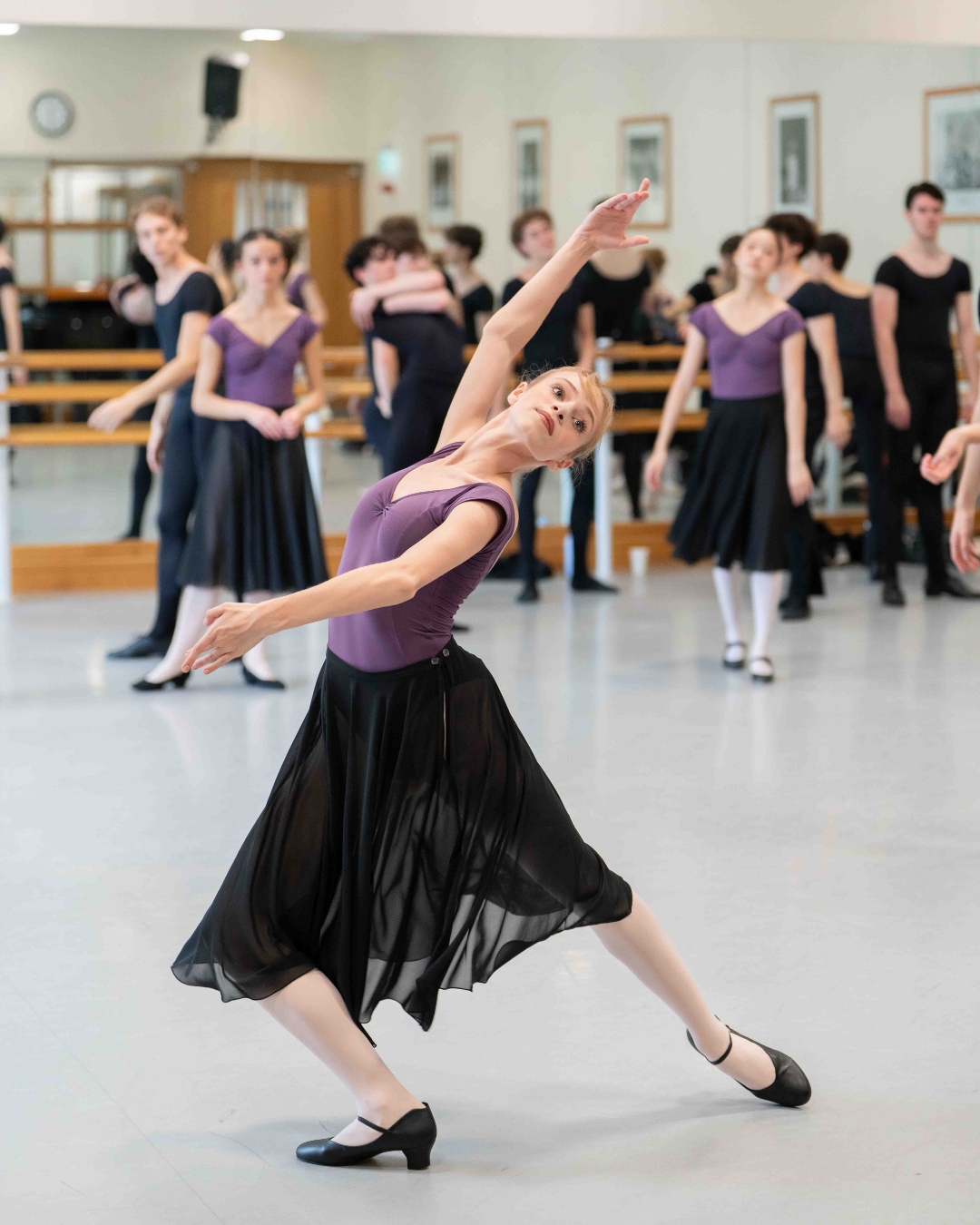
Checkmate and Swan Lake are evocative examples of intelligent storytelling according to Samara.
‘Checkmate is a brilliant ballet which can be read on multiple levels. Primarily, it marks the conflict between the Red Knight and Black Queen, with the age-old theme of seduction of the man who is ultimately destroyed by her ruthlessness. On a second level, great attention has been paid to the movement to make the characters match the way they might move on the board. Thirdly, it’s symbolic and allegorical content could be interpreted to relate to Europe’s pre-World War failure to combat aggression in the face of rising fascism, although de Valois herself wrote that she decided to think of it ‘as the part played by ‘fate’ in man’s life,’ and the old order vainly attempting to resist the forceful onrush of change and time. It’s a really powerful piece.
Sir Peter’s work, meanwhile, is extremely musical and well thought through, and the way he uses gesture and mime is always clear and relevant to the storytelling. He does the classics really, really well. The choreography is lovely to perform and feels so coordinated on the body, from the folk dances, right through to the principal roles. The emotional story arc of Swan Lake is so beautiful and timeless, particularly when coupled with Tchaikovsky’s stunning score, so this stalwart of the ballet canon appeals to audiences just as much today as it did at its inception.’
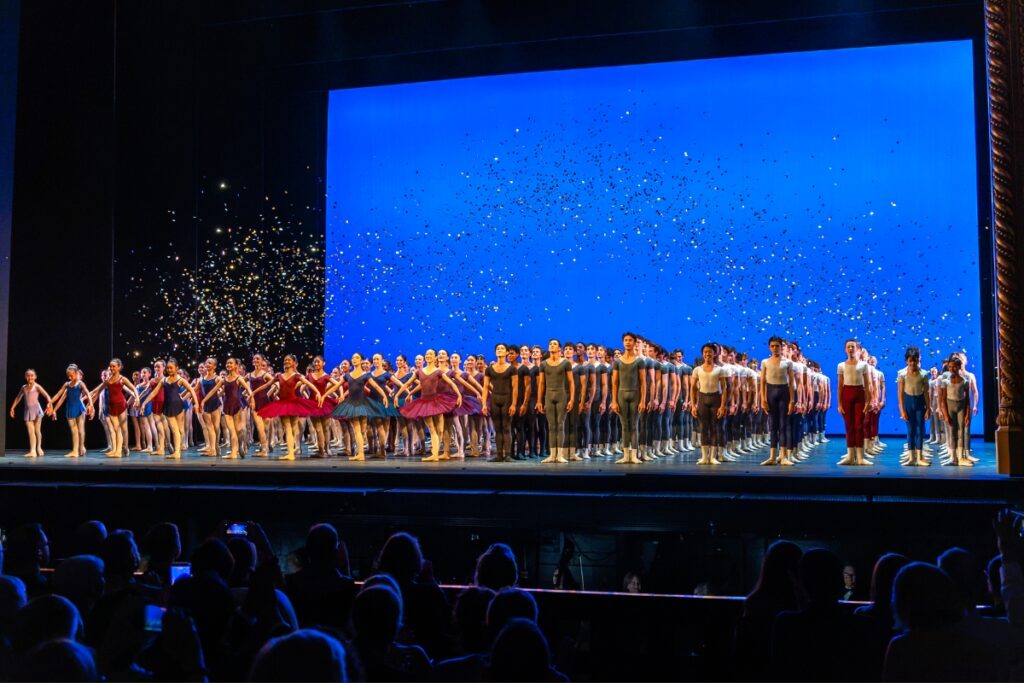
Don’t miss your chance to see Checkmate and Swan Lake Act III on stage at our 2026 Summer Performances. Tickets are still available here.
Catja Christensen is the Marketing and Communications Executive at The Royal Ballet School and joined the School in 2025. She enjoys interviewing students, staff and guest artists for news stories and crafting eye-catching newsletters.