
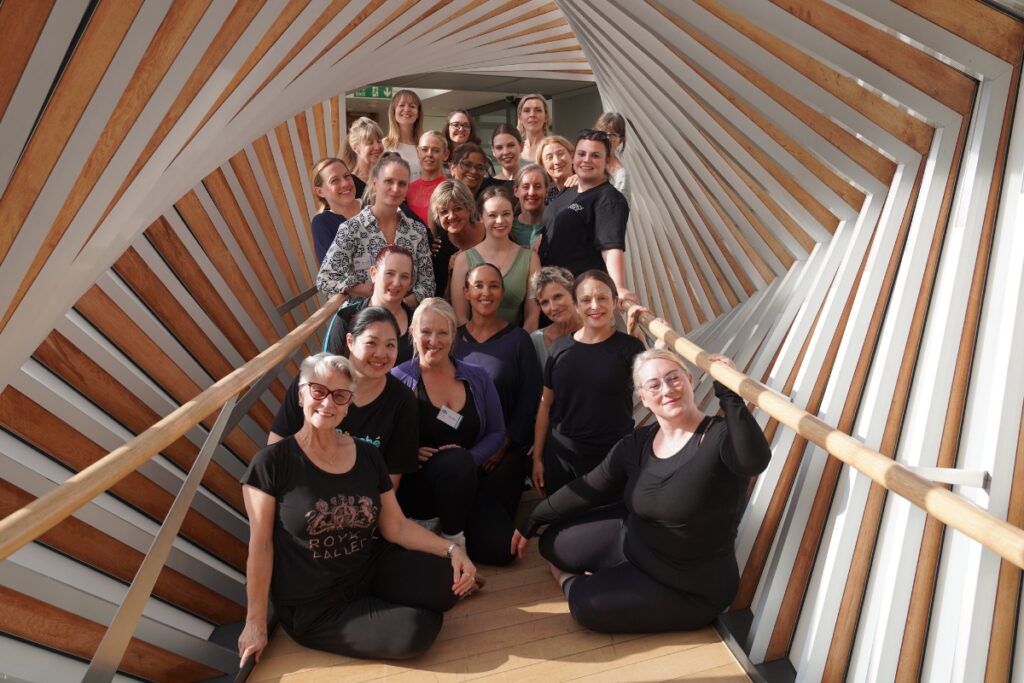
Five Chance to Dance teachers discuss how our Affiliate Programme intensive validated and enhanced their teaching practices
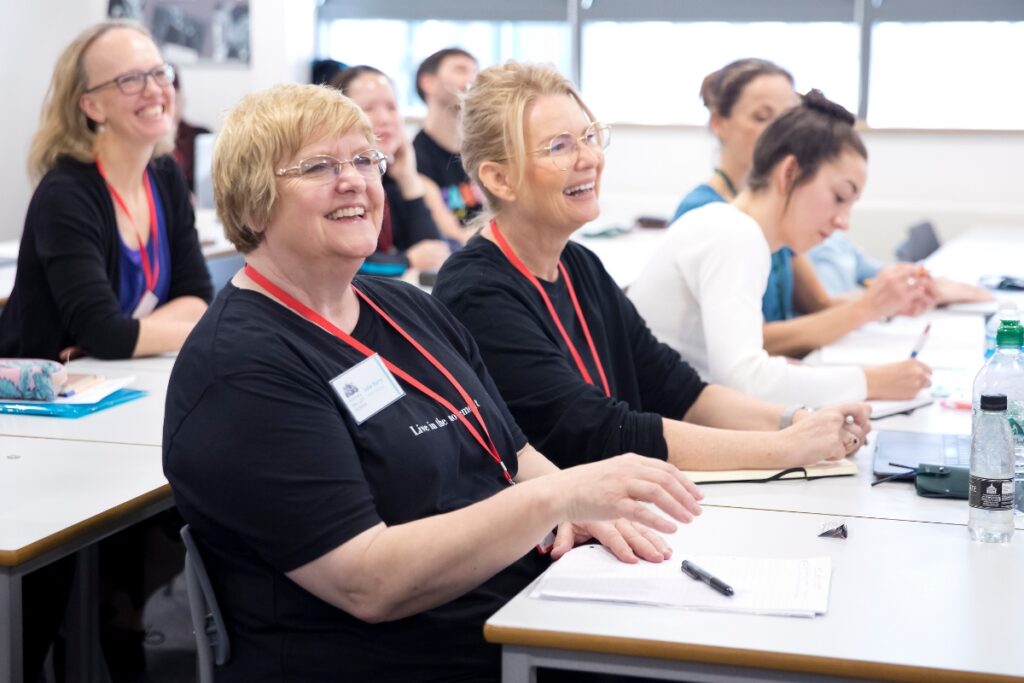
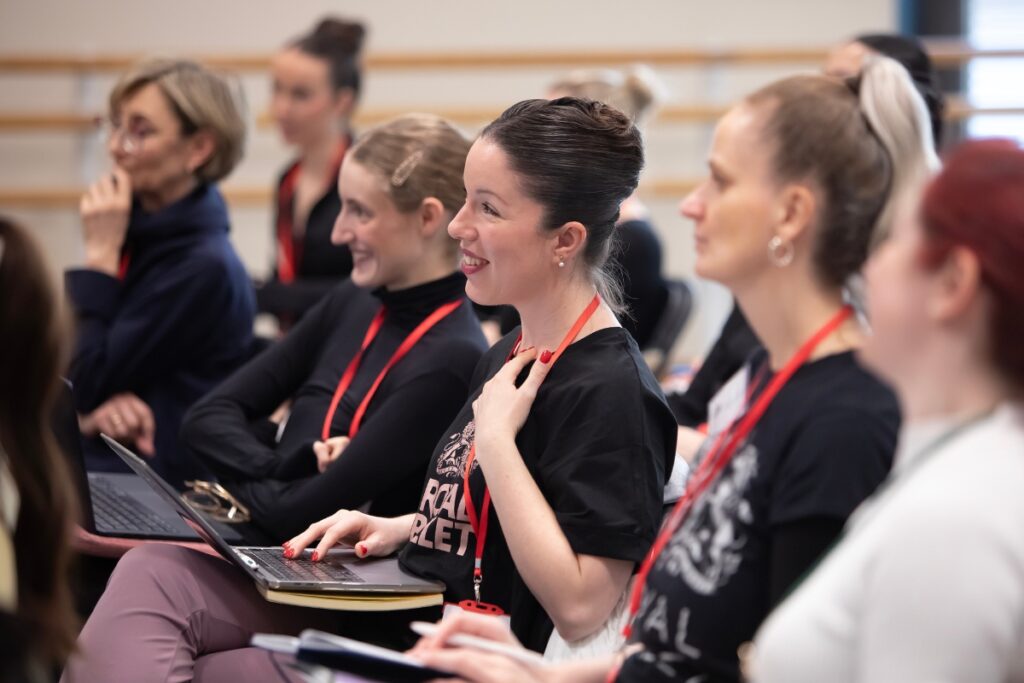
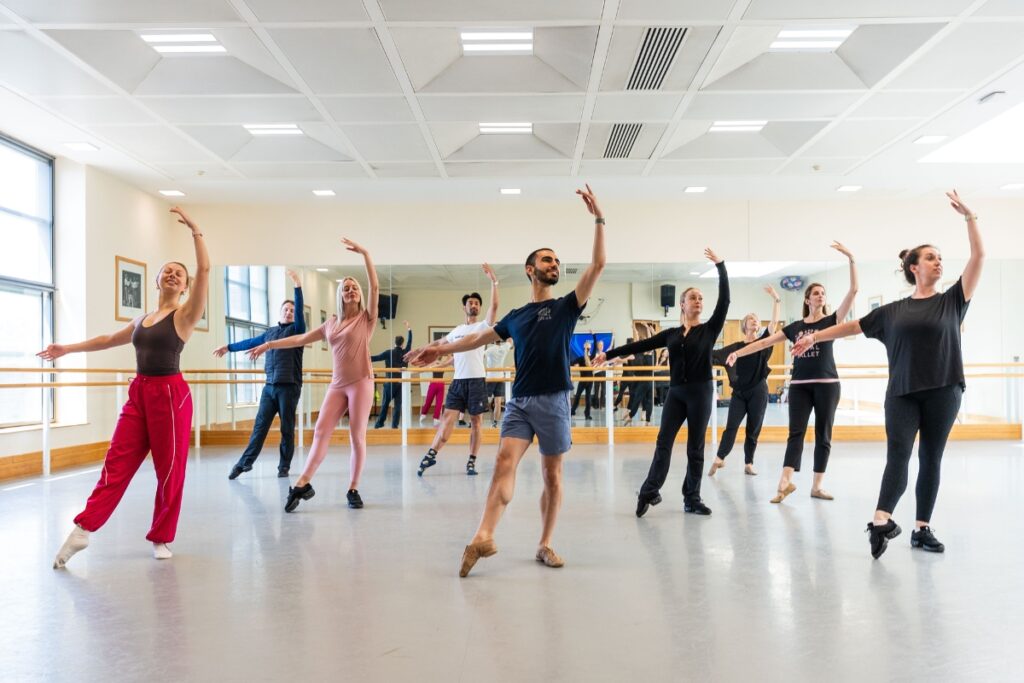
This August, five of the Royal Ballet and Opera’s Chance to Dance artists participated in the School’s week-long Affiliate Programme intensive course. Chance to Dance is a Royal Ballet and Opera programme geared towards supporting and sharing practice between dance artists and teachers to create more opportunities for aspiring young dancers. For over 30 years, Chance to Dance has successfully achieved this goal, supporting dancers like School alum Jacob Wye, one of our contemporary teachers.
Following the intensive, we spoke with the following five ballet teachers to discuss why they love Chance to Dance, what they learned in our Affiliate Programme intensive course and what they hope to incorporate into their teaching practice:
- Rebecca Parkinson, Founder of Cre8ive Dance Academy (Doncaster)
- Judith Vardy, Director of JVS Performing Arts (Nuneaton)
- Gemma Mann, JVS Performing Arts alum and teacher
- Elaine Lilburn Pygall, Founder and Director of Elaine Pygall School of Dancing (Prudhoe and Hexham)
- Natasha Brown, Elaine Pygall School of Dancing alum and teacher
Can you tell us about your background in ballet and teaching?
Judith: I started dancing because I had too much energy, and the doctor suggested to my mum, ‘Take her to a dance class.’ So, she took me to ballet and then brought me to the Royal Opera House when I was about nine years old to watch Swan Lake. That was enough inspiration for anything. Then, when I was 30, I took my teaching certificate with the Royal Academy of Dance. I became an examiner and traveled to America for a period of time.
Gemma: I started dancing when I was about three. Again, I had a lot of energy, so my mum took me to my local dance school run by Judith Vardy (laughter). And then, I never left. I just kept going and going because Judith brings lots of joy to dance.
(To Judith:) You made us feel powerful and confident, and you gave us so many opportunities to perform on stages all over London. Now, we’re here together. You guided me into the teaching path as well. I’m very grateful.
Elaine: I started ballet and other dance styles from a young age because my mum was one of four children, and she never had those opportunities because her family couldn’t afford it. She wanted to make sure that I did, so dance was what she chose for me. I did my teacher training with my dance teacher at the time, and went to college to do full-time training, but I always knew that I wanted to teach and have my own school one day.
Natasha: I was four when I started dancing. I was at the leisure centre doing swimming lessons when my mum pointed through a window and said, ‘Do you fancy that?’ And it was Elaine teaching! I said, ‘Oh, I fancy a bit of that.’ I tried it, and I’ve never looked back. I’ve been teaching for the last six or seven years as a qualified teacher and completed my degree and Postgraduate Certificate as well.
Rebecca: I started dancing with my younger sister at a very traditional dance school, and I quite enjoyed it. My mum was making weird and wonderful costumes for another dance school, and she said, ‘We need to go and see what this show is about because I’ve just made some weird outfits.’ So, we went to see it, and I remember being blown away with how they managed to put ballet to upbeat and modern music, not always classical music. That drew me into the creative part of ballet. We moved to that school, and then I went on to do my teaching qualifications.
There weren’t a lot of dance styles in my area, mainly ballet, modern and tap, but I wanted to know what salsa and break dancing were like. So, I used to journey to Sheffield and Leeds a lot to experience those classes. When I decided to open my own dance school, I wanted to create a space where you can come and do ballet on the same day as putting on a pair of baggies and doing street dances. So, that’s where I found myself: in an area that was full of lots of very good traditional ballet schools, I made a school where we could do ballet but we can also do break dancing and spin on our heads. That’s why I was drawn to Chance to Dance, because it’s very creative, and that’s what I was about.
How did you become involved in the Chance to Dance programme?
Rebecca: Chance to Dance approached us in Doncaster, and I wanted to learn more. It was just before COVID, and then everything was put on pause. We had an interview where they spoke not about ‘steps’ but ‘movement,’ and I thought, ‘Oh, I can get on board with this.’ Anything to do with The Royal Ballet feels so out of reach, but the way they were talking to me made me feel like maybe I can say I’ve done something with The Royal Ballet, maybe it is possible.
What appealed to you about the School’s Affiliate Programme?
Elaine: It is exciting to do something for yourself. After many years of teaching, you can get stale. Keeping it fresh for me as a teacher and the prestige of being associated with the School were definitely the draws. Also, being part of a community, because as dance teachers in the private sector, we’re very much on our own. Depending on the size of your school, you might not have teachers around you. It can be very lonely. So, being part of a supportive network of other like-minded people has been lovely.
How have you found the Affiliate Programme intensive and do you have any key takeaways?
Unison: Lesson planning and structure. Don’t get too heavy on the learning outcomes – pare it back. Less is more.
Judith: It has been incredibly supportive. I found it’s given me confidence. They say it all the time in the intensive, it’s permission to be yourself.
Natasha: It has changed my mindset towards teaching ballet. As a student, you feel like there is only way to teach ballet. But this programme offers a more holistic approach to teaching ballet. I was quite interested in how that works. At times it’s quite different, and you feel a bit vulnerable, but it’s been wonderful to see how it all matches up.
Elaine: It has been a safe and inspiring space to explore new ideas and ways of working. It’s been good to be in the position of a student again in different learning environments and to put yourself in their shoes. It reminds you how to manage their expectations and how your teaching can impact how they feel. Working in groups as an adult can be a challenge when you are meeting new people for the first time on day one and then having to plan a class and deliver it together. That’s been really useful to empathise with how students may feel in our classes.
Judith: Halfway through the week, everything just shifted and started to make sense. It started to connect. Having a ballet class every morning was also amazing.
Elaine: Yes, not just from a technical point of view but also for picking up steps. I am not used to being a student. It’s been 20 years since I’ve taken a dance class, so for me to remember what they’re doing made me think perhaps I go too fast sometimes.
Rebecca: There were times when I thought, ‘You’re having a ballet class in London right now, Becky, enjoy it. So what if your legs are not in the right place or if you’re doing the wrong exercise. You’re dancing with a pianist. Just move, enjoy.’
What excites you most about going back into your studios and applying what you’ve learnt to your teaching?
Judith: To get back in and start refocusing our way forward is very exciting and a bit scary.
Elaine: I am really focused on integrating the repertoire into our graded ballet classes and not just our Chance to Dance classes. I want to make a long-term plan of which grade is going to be looking at what repertoire over the year and marry the two together.
Natasha: I am looking at it both ways, first thinking about the creative process and then bringing it back to, ‘How does this fit into ballet and where can we draw those lines?’ Then the other way, starting from that ballet perspective and bringing it to the creative process. It feels like a two-way street now.
Judith: It’s validating to know that what we are doing creatively is supported. It’s that sense of permission again.
Elaine: It is important to create that safe space for you to feel vulnerable and grow your practice. I now have a toolbox of ways to help my children be creative that I didn’t have before.
Applications for the 2026 Affiliate Programme close Monday 13 April 2026. Learn more and apply here.
Learn more about Chance to Dance here.
Learn more about our Affiliate Programme here.