100 stories: Dame Ninette de Valois
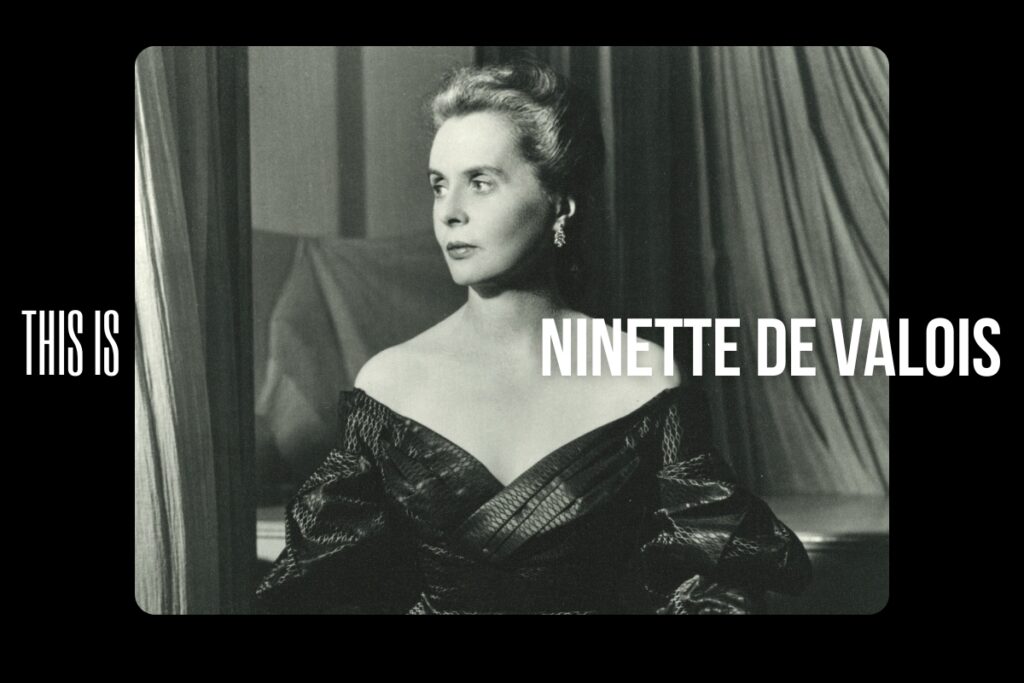
To kick off our centenary year, we will be featuring the first of 100 stories that make up The Royal Ballet School’s past, present and future, which will be released over the next 12 months. Our story begins with Founder Dame Ninette de Valois.
Dame Ninette was born Edris Stannus on 6 June 1898 in County Wicklow, Ireland. After training at the Lila Field Academy for Children in London, she joined Sergei Diaghilev’s Ballets Russes in 1923. In 1926, she opened the Academy of Choreographic Art, which was renamed the Vic-Wells Ballet School when Lilian Baylis, Manager of the Old Vic Theatre in Waterloo, acquired the Sadler’s Wells Theatre. The School moved to Sadler’s Wells in Islington and trained dancers for The Sadler’s Wells Ballet founded in 1931. A second touring company was established in 1946, which later became Birmingham Royal Ballet.
During a talk at Kitson Hall on 8 November 1986, Dame Ninette reflected, ‘The progress of The Sadler’s Wells Ballet from 1931-1941 was the most golden and happy period of my life. Everyone was so completely dedicated. With such optimism and such wonderful help, the whole thing was so idealistic that I will never forget it or regret any of the energy or the very little money we all had to live on.’
In 1946, The Sadler’s Wells Ballet moved to the Royal Opera House. In 1956, to mark the company’s 25th anniversary, Her Majesty Queen Elizabeth II granted the name The Royal Ballet by Royal Charter. The same Royal Charter was granted to The Royal Ballet School and the Sadler’s Wells Royal Ballet (later Birmingham Royal Ballet following its move there in 1990), securing the essential link between the two Companies and the School, and strengthening their triangular relationship, as de Valois envisioned. The School moved to Baron’s Court in 1947, and White Lodge opened in Richmond Park in 1955-56. The Upper School eventually moved to Covent Garden in 2003, fulfilling Dame Ninette’s dream of having the School and Company side by side in the heart of London.
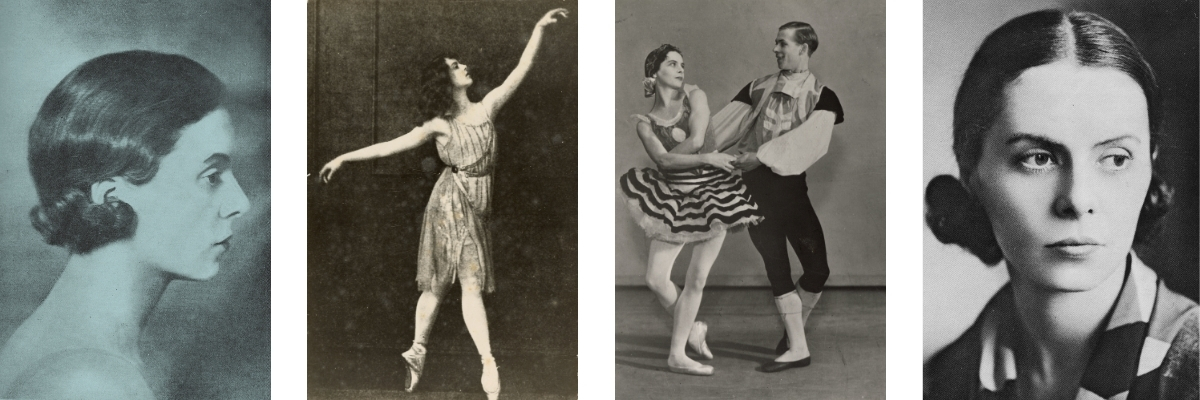
Left to right: Dame Ninette by Mesdames Morter (1932), courtesy of Dancing Times; in pantomime at the Lyceum Theatre, London, (1915); with Walter Gore in Coppelia‘(1933); portrait (1931).
75 years after founding the School and the Royal Ballet companies, Dame Ninette died on 8 March 2001 aged 102. Her legacy endures through the School’s Ninette de Valois Choreographic Programme, instilling her passion for choreography in every generation that passes through these studios.
‘She was an incredible visionary,’ Artistic Director Iain Mackay said of Dame Ninette in an interview with BBC Sounds – The Reunion. ‘She was not afraid to look at what worked in other schools and bring it to her school to make English ballet the best it could be, and we continue to do that.’
The School’s Manager of Special Collections Dr. Anna Meadmore wrote, ‘I have always been intrigued by how one woman could have excelled in so many aspects of her profession – dancer, teacher, choreographer, director, theoretician, writer – and what it meant that she practised all of those things simultaneously.’
Dr. Anna earned her doctorate from Royal Holloway, University of London in 2024 with her thesis titled ‘Ninette de Valois: how her philosophical convictions and creative ambitions shaped an ethos for ballet in England, 1925-1934.’ Anna recreated Dame Ninette’s The Arts of the Theatre in 2022 with Pre-professional students using original rehearsal notes from Ursula in the School’s Special Collections.
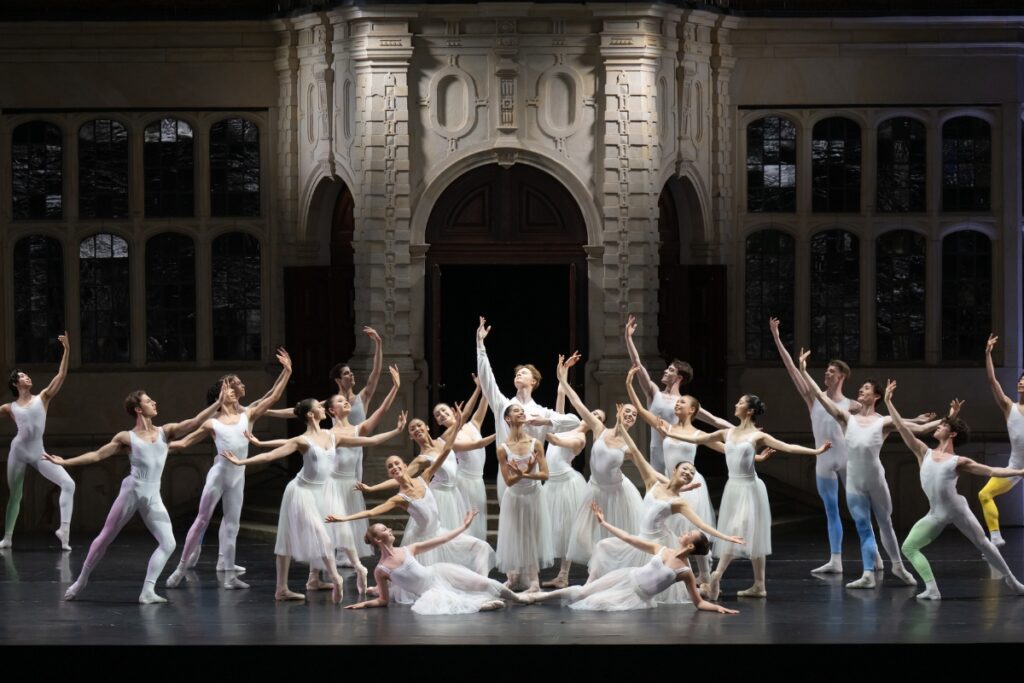
Our centenary campaign aligns with Dame Ninette’s famous words: ‘Respect the past, herald the future, but concentrate on the present.’ Celebrate Dame Ninette’s incredible legacy by seeing her choreography at our 2026 Summer Performances at Opera Holland Park and the Royal Opera House. Find out more here.