
100 stories: Jonathan Watkins
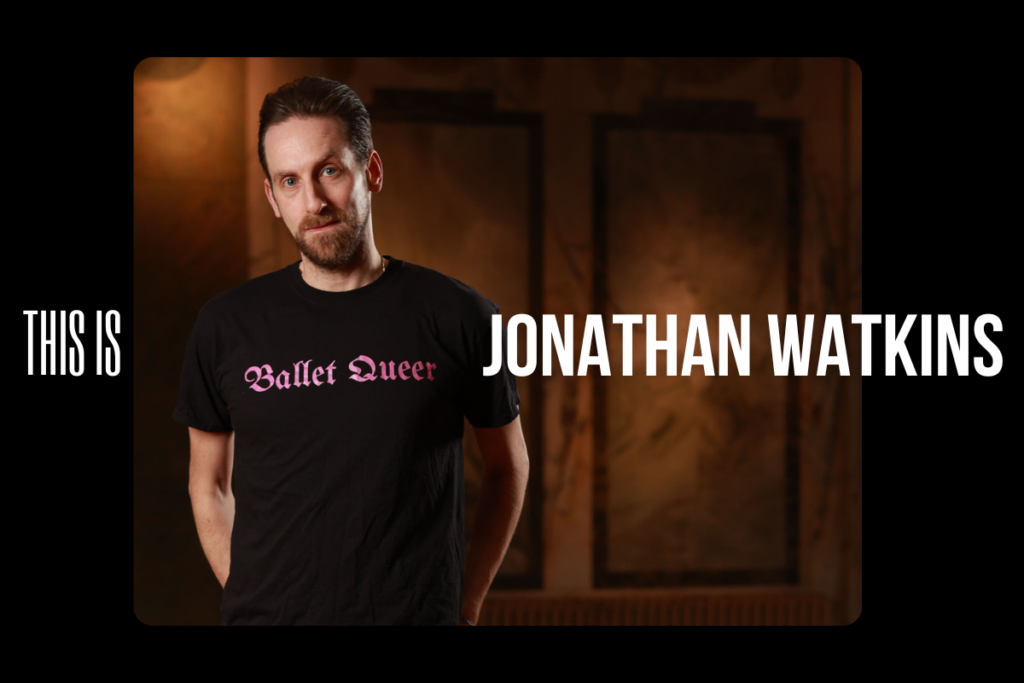
As part of our centenary year, we are featuring 100 stories that make up The Royal Ballet School’s past, present and future. Today, we share the story of choreographer and director, Jonathan Watkins.
Born in Barnsley, South Yorkshire, Jonathan discovered his love for movement by dancing on his living room carpet in his childhood home. His talent for dance was spotted by an agent at a family wedding when he was asked to join a children’s television show. Although he turned down the opportunity to join the show, he went on to pursue dance professionally when he joined The Royal Ballet School aged 12. Jonathan began choreographing for our choreography showcases and he won the School’s Kenneth MacMillan Emerging Choreographer competition at age 16.
I read 1984 by George Orwell when I was 15 and I made a piece about it at White Lodge called Suppressed Expressions that won the Kenneth MacMillan Award, so the seed of it was planted there for when I later created a full-length ballet of the book for Northern Ballet. A lot of my ideas take ages, which is not always incredible, but the things that I am the most passionate about take the longest time.
Upon graduating from the School in 2003, Jonathan joined The Royal Ballet. Whilst in the Company, he regularly had works created on him by Sir Wayne McGregor and performed a number of classical roles.
I was really fortunate to be plucked out as a First Artist when Wayne chose me to be in the original cast of Chroma. That was an amazing time, to be trusted and have someone again, not like the agent at the wedding, but the choreographer to the dancer saying, ‘I think you have what it takes to be in my work.’ It felt like a brilliant time at that point in my career as a dancer. I think I was trying to get that boy-on-the-carpet feeling within the classical form, and it was in Wayne’s work and in Sinfonietta by Jiří Kylián, leaping about the stage and feeling free. It was in Benvolio in Romeo and Juliet, where you can bring your instincts, creativity and acting to what you think the response should be.
Whilst with The Royal Ballet, Jonathan had the opportunity to create work for the Company as well as earning commissions from companies around the world. Jonathan made his international debut at the New York Choreography Institute in 2008 with his creation of NOW on New York City Ballet; this piece was subsequently nominated for presentation at the Linbury Studio Theatre by The Royal Ballet. He then created Eventual Progress for Russia’s Ekateringburg Ballet Theatre and decided to leave The Royal Ballet to focus on his choreographic work in 2013.
Looking back, I knew I needed to go, but at the time, it was a battle of thinking, ‘Is this right, stepping away from security and a good career?’ But I just knew. Everyone said, ‘Oh you’re brave, what a risk,’ but it is not much of a risk when you know it’s what you’re meant to do. It wasn’t like jumping without a net. I was jumping because there were commissions, and I believed in myself enough to just go for it. But it was so scary.
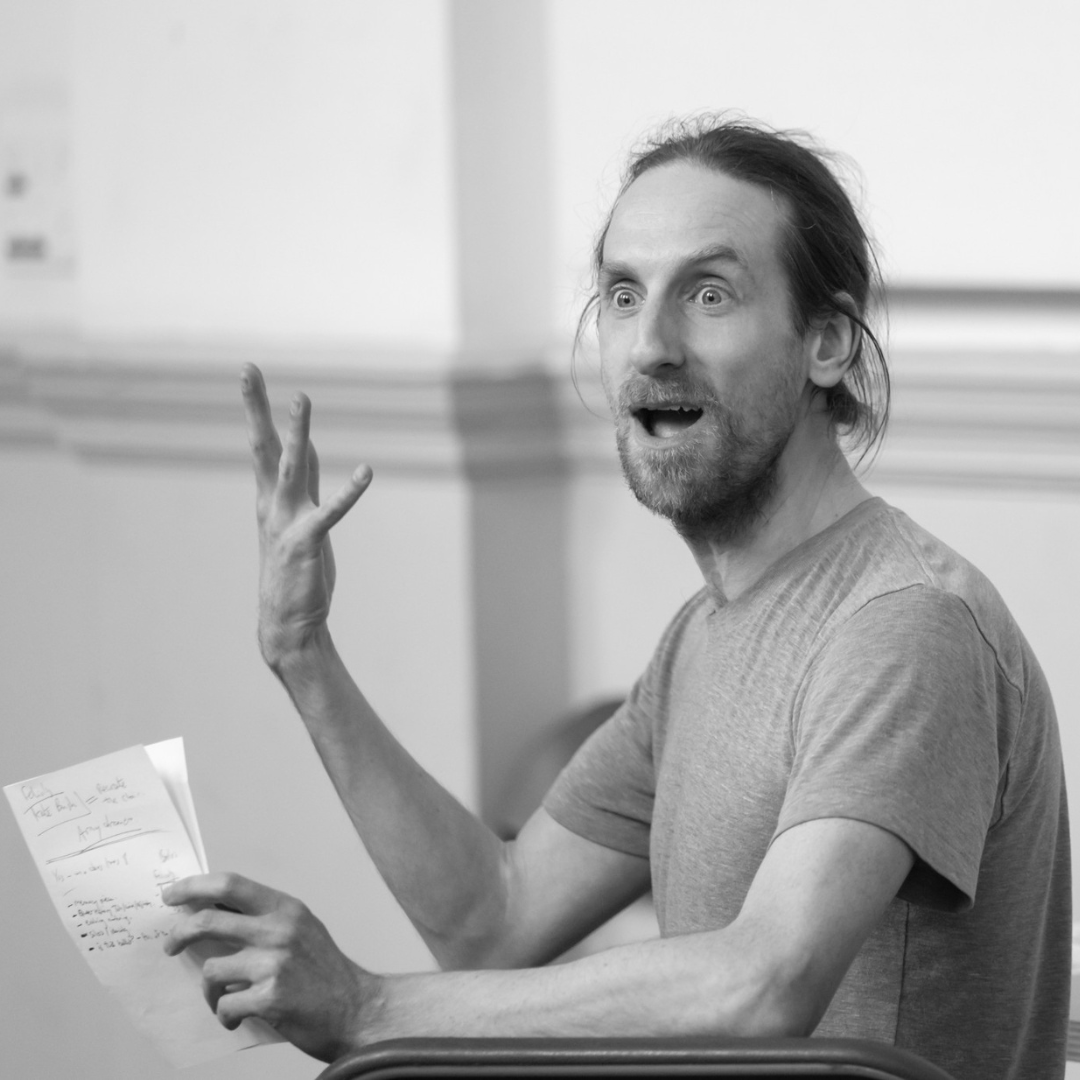
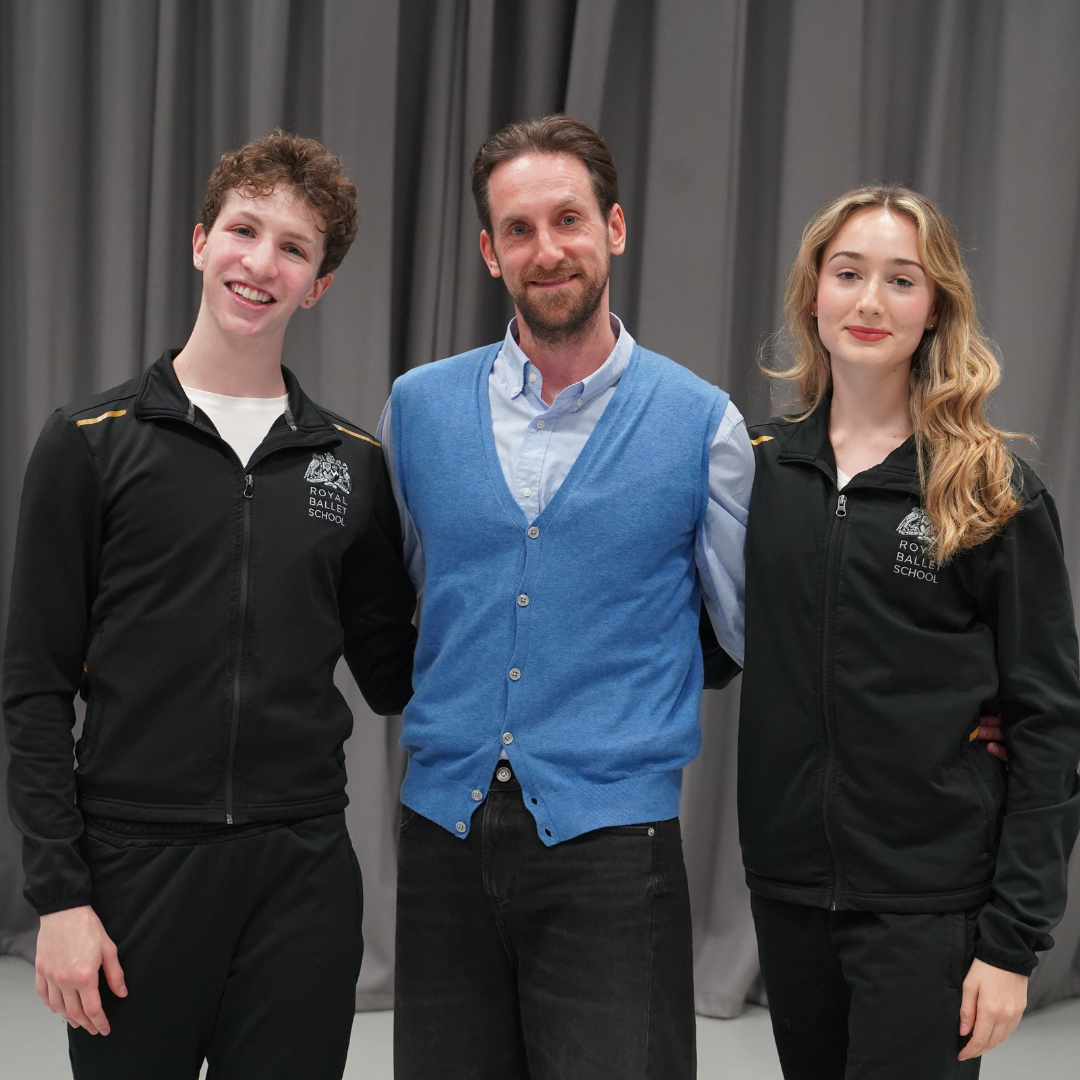
Photograph by Photography by ASH
Since then, Jonathan has created Present Process for Ballet Manila, CRASH for Texas Ballet Theatre, A Northern Trilogy for Northern Ballet’s 45th Anniversary Gala and Mixed Programme, Musance with The Hackney Colliery Band and dancers from The Royal Ballet, Together for Ballet Black, KES for The Sheffield Crucible Theatre and 1984 for Northern Ballet for which he won Best Classical Choreography at The National Dance Awards and Best New Dance Production at The South Bank Sky Arts Award. He most recently directed the stage adaptation of Reasons to Stay Alive by Matt Haig and adapted Christopher Isherwood’s A Single Man for the Manchester International Festival and The Royal Ballet. The sell-out performances in both Manchester and London received wide critical acclaim.
I do loads of talking about my ideas and making sure that everyone is on the same page. Then, I leave those people to do what they are amazing at. For example, the set for A Single Man is by Kiara Stevenson. She comes from a music background, but she has also done a lot of theatre and storytelling in that setting. I approached her because I’d seen her work with artists whose gigs were massive spectacles, and I wanted someone who could bring all of that but could also do the storytelling. I’m working with amazing people with amazing instincts. Like, how many stories has Edward Watson (former Principal with The Royal Ballet and star of A Single Man) done on stage? He has an acting instinct, so you want to draw on all of that and collaborate in terms of how that comes across. We also had two complete casts, which, for me as a viewer, was really cool because they are doing it differently, and I don’t need to replicate that because you are bringing ‘you’ into this performance, this live theatrical event.
In 2023, Jonathan founded his own company, Ballet Queer, which provides a platform for LGBTQ+ choreographic voices that he hopes will grow beyond his own career.
I wanted it to be a project-based company so we could do different scale projects that freelance dancers and artists can engage with. I’m the founder, but the ambition is for it to be for other choreographers and other voices. Different projects call for different things, so I wanted to do something for the LGBTQ+ and ballet community who want to engage with the art form in a different way. We’re not reviving old stories; we’re telling new stories based on our own experiences. It’s not anti-ballet – it’s additional and asking questions. Yes, it has an LBGTQ+ focus, but what we find is it’s also about who you are and how you can be injected into this art form, whoever you are. There is a queer lens to it, but it is also about empowering the individual, whether you want to engage with ballet and you haven’t had eight years of intense training, or you have had that training and you want to evolve and be free of the parameters of what ballet is.
Watch the full interview with Jonathan below from when he visited Upper School to give our students a Creative Artist Talk.
Header photograph by Flavia Fraser-Cannon