
100 stories – Arnold Haskell
As part of our centenary year, we are featuring 100 stories that make up The Royal Ballet School’s past, present and future. Today, we share the story of Arnold Haskell, the first appointed Director of The Royal Ballet School.
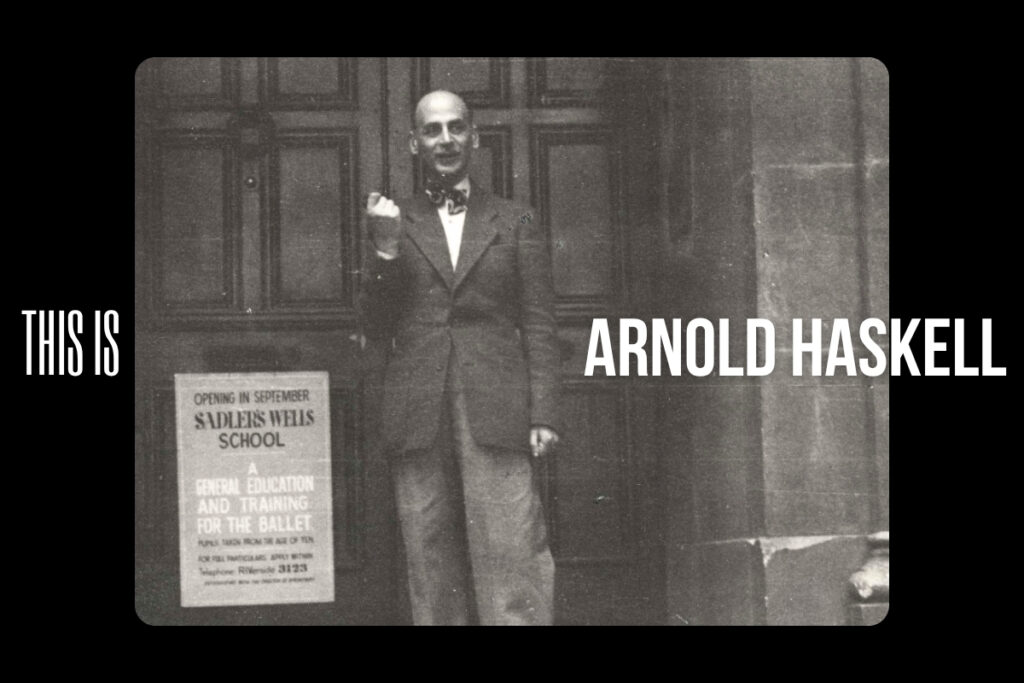
Arnold Lionel Haskell was born in London on 19 July 1903 and died in Bath on 14 November 1980. During the early days of British Ballet in the 1930s, he was an extremely influential dance writer, critic and facilitator. Later, he was the first appointed Director of the Sadler’s Wells Ballet School, now The Royal Ballet School, from 1947-1965 and served as a Governor of The Royal Ballet from 1956. He was made a Chevalier de la Légion d’Honneur (1950) and a CBE (1954).
Literary career and ‘balletomania’
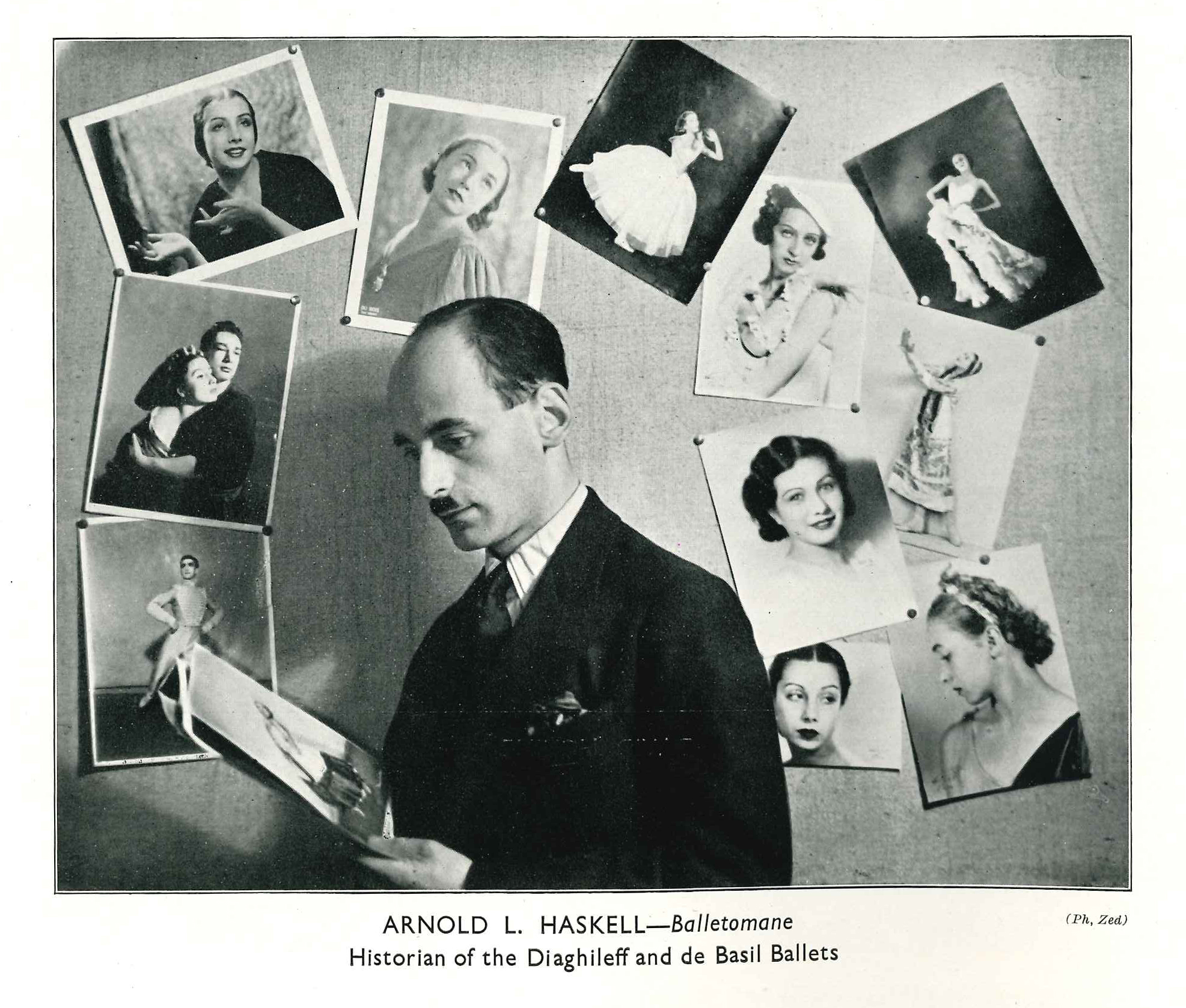
Haskell’s father, Jacob Haskell, was a prominent banker, so Arnold came from a very wealthy background. An only child, he was educated at Westminster School and briefly studied law at Trinity College, Cambridge, although he was uncertain about what career to follow. His real interest lay in the world of ballet, having become a devotee of Sergei Diaghilev’s Ballets Russes during his late teens. He eventually worked at Heinemann’s publishing company as a reader (c1928-34), and while there, he persuaded the Russian ballerina, Tamara Karsavina, to write her best-selling autobiography, Theatre Street (1930). At this time, Haskell was also starting to build a career in dance writing and journalism – by 1935 he had been appointed dance critic for The Daily Telegraph, a position he held until 1938.
Young Arnold Haskell had been a childhood family friend of the young English dancer, Alicia Markova, and subsequently followed her career from being a student of Serafina Astafieva in London to a ballerina of world renown. His real entrée to the world of the Russian ballet came about through his connection to Markova, who in 1925, aged just 14, became the most promising new star of Diaghilev’s Company. Two years earlier, in 1927, Haskell had married Vera Saitov, a Russian émigré student at the Sorbonne in Paris. They eventually had two sons and a daughter together, but after Vera sadly died in 1968, Arnold would later marry Vivienne Marks, a younger sister of Alicia Markova.
The first major book written by Haskell was based on conversations about art with his friend, the sculptor Jacob Epstein titled The Sculptor Speaks (1931). With the publication of Balletomania: the Story of an Obsession (1934) Haskell’s international career as a dance writer truly began. The book was commercially hugely successful and was in its fourth printing by April of the following year. In his first volume of autobiography, In His True Centre (1951), Haskell observed that Balletomania enabled him to ‘make a profession out of what had been a hobby. It prevented me from becoming a dilettante.’ Haskell also claimed that the title of his book had introduced the Russian word ‘balletomane’ to the English language.
Haskell’s third major dance book was published in 1937 with the playful title, Dancing Round the World: Memoirs of an Attempted Escape from Ballet. It was an entertaining travelogue, an account of Haskell’s experiences and observations while on tour to Australia and America with the Colonel de Basil Ballet Russe, where he had accompanied the Company in a semi-official capacity as their resident historian and local translator (since he spoke both Russian and French fluently).
Debating dance with Ninette de Valois
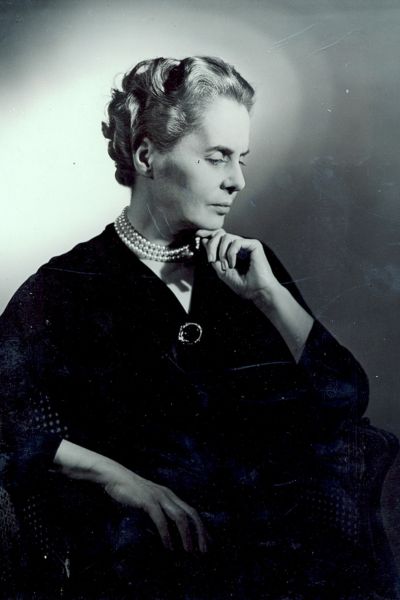
During the decade 1929-39, there were several London-based organisations where Ninette de Valois’ and Haskell’s interests and activities significantly overlapped: Philip Richardson’s The Dancing Times, the Camargo Ballet Society (which Haskell and Richardson co-founded) and the Association of Operatic Dancing (later called the Royal Academy of Dance). Beginning in 1930, Haskell had also worked with Marie Rambert to help establish her Ballet Club (later known as Ballet Rambert) and was a founding member of its Board. Before 1935, however, Haskell did not see eye-to-eye with de Valois, often comparing her student-dancer unfavourably with Rambert’s, and criticising her early choreography as being too ‘earnest’ and ‘dull.’
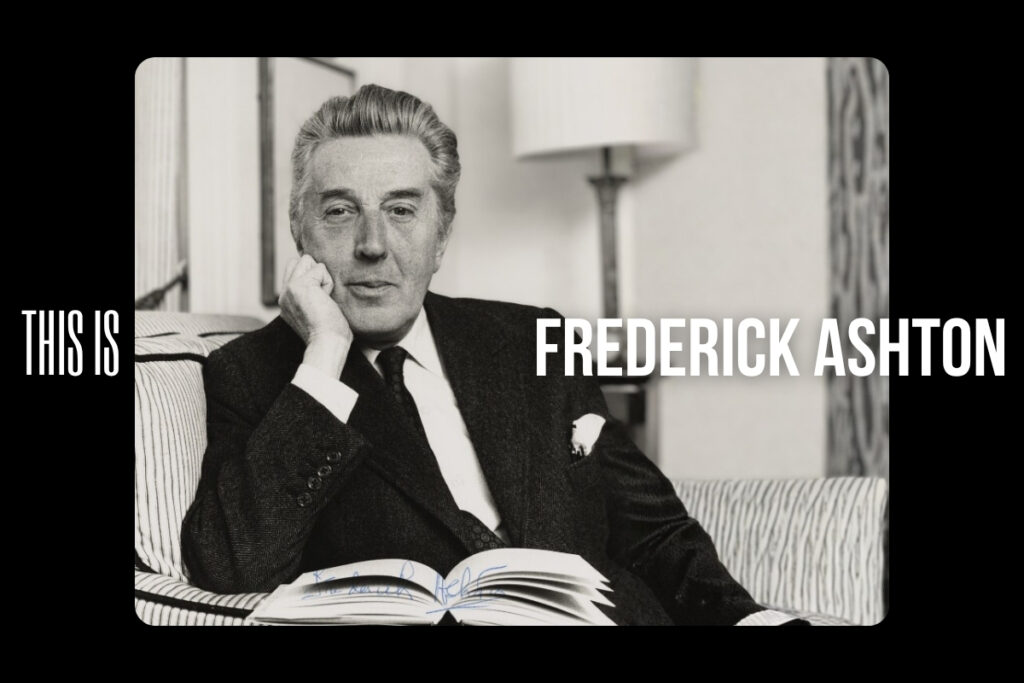
Their published writings from this period chart their opposing views regarding the viability of a national ballet in Britain: while de Valois was determined to build a national school and company, Haskell remained certain that ballet’s future lay in the hands of Russian dancers, teachers and choreographers. He only began to change his mind when Margot Fonteyn emerged as a potential ‘English’ ballerina, whose artistry was formed and flourished under the guidance of de Valois and the choreographer, Frederick Ashton.
Building a national ballet and school
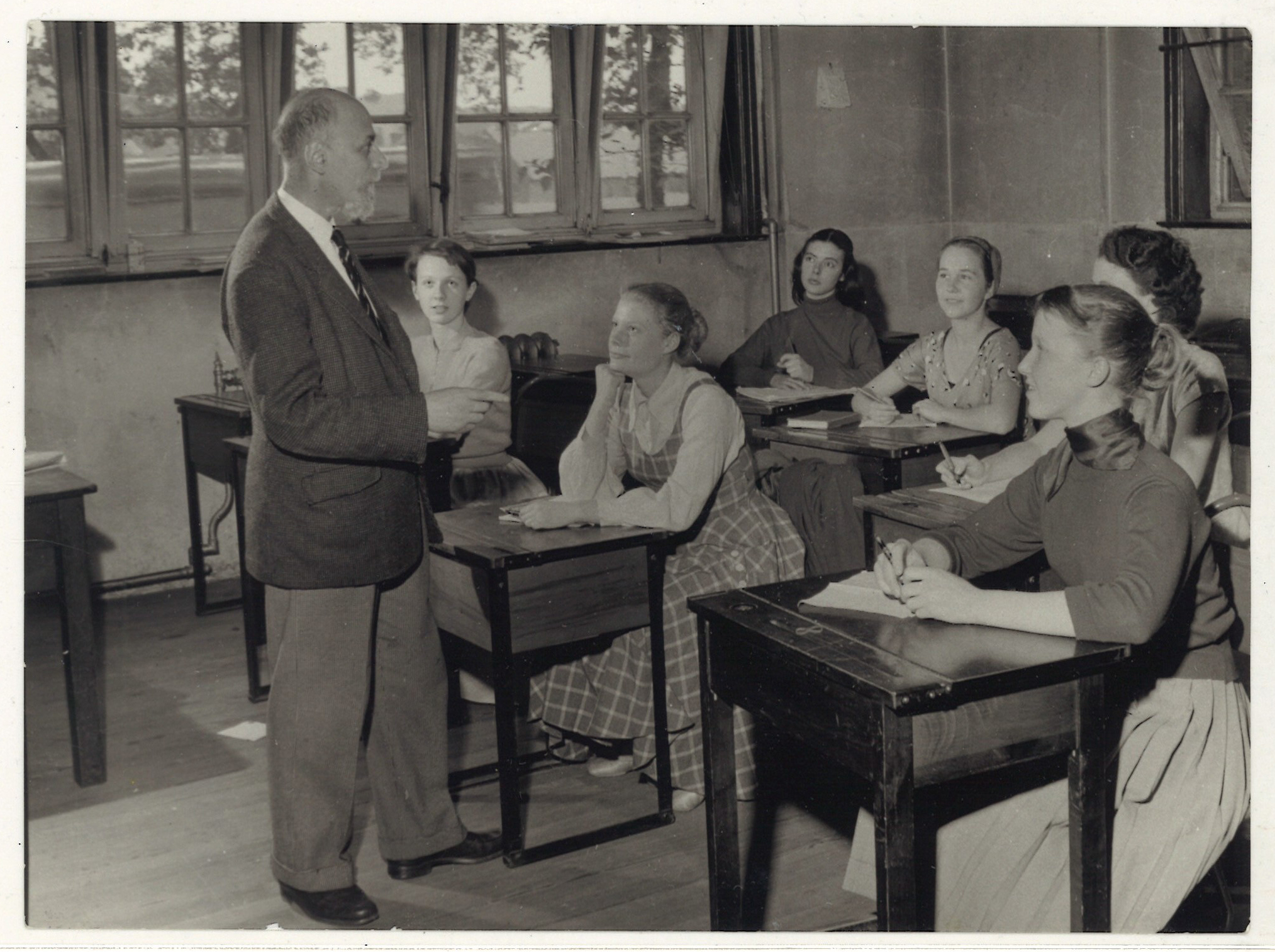
From around 1935 onwards, Haskell began to ‘play a small part’ (as he put it) in the life of de Valois’ fledgling Vic-Wells Ballet. He was instrumental in helping to set up the Vic-Wells Ballet Fund in 1936 (this later became the Royal Ballet Benevolent Fund). He described this as the ‘real’ beginning of his contact with the Vic-Wells organisation, because he worked so closely on the scheme with both de Valois and Lilian Baylis – the redoubtable Manager of the Old Vic and Sadler’s Wells theatres where de Valois’ enterprise was based.
Some years later, de Valois wrote the foreword to Haskell’s wartime book about the Vic-Wells Ballet, entitled The National Ballet: A History and a Manifesto (1943). She used the opportunity to define Haskell’s ‘unusual role’ as ‘someone who has a very practical knowledge of English Ballet from its beginnings,’ had fought the public’s ‘ignorance, misunderstanding and lack of interest,’ and had succeeded in making them ‘regard the ballet as a very serious art of the theatre.’ A real achievement, she noted, given that the recent prevailing view had been to dismiss ballet as ‘a pastime for little girls.’
Arnold Haskell and Ninette de Valois each believed that classical ballet is a richly varied theatrical artform, not merely a simple entertainment. Their shared faith in ballet’s artistic value and creative potential led to them overcoming their initial misgivings about each other’s views, to work productively as colleagues for over four decades, and to strive together for the benefit of British ballet.
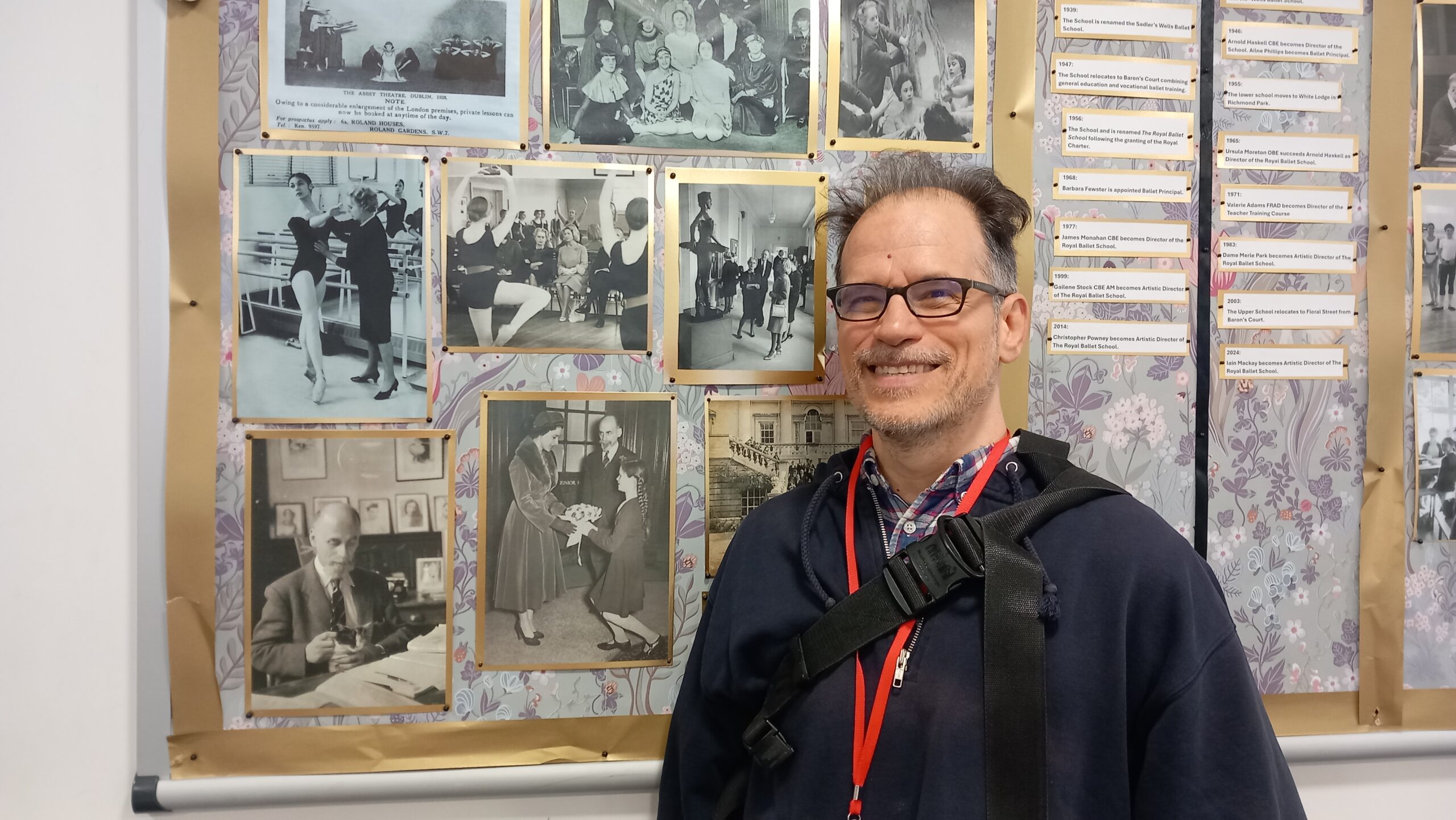
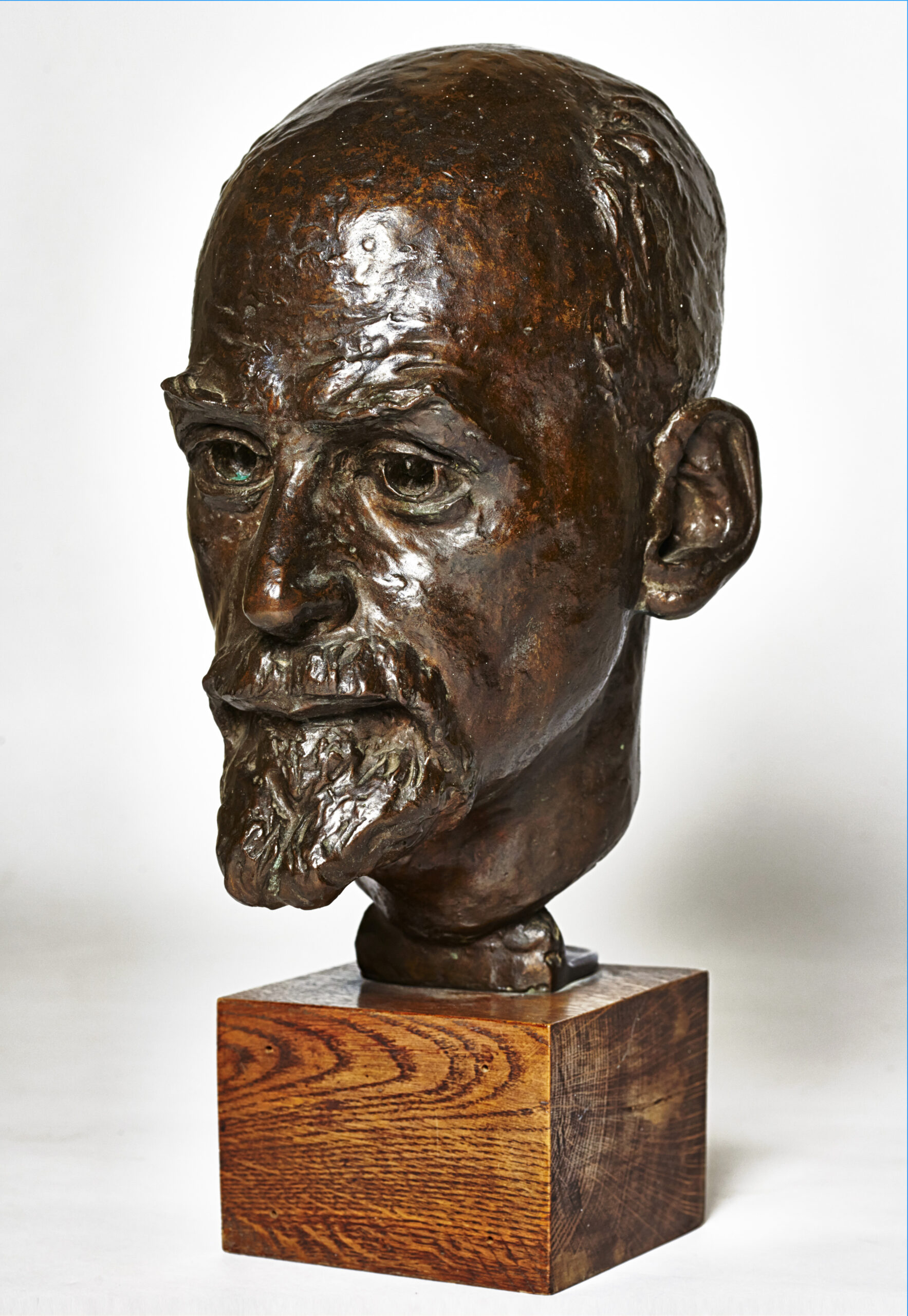
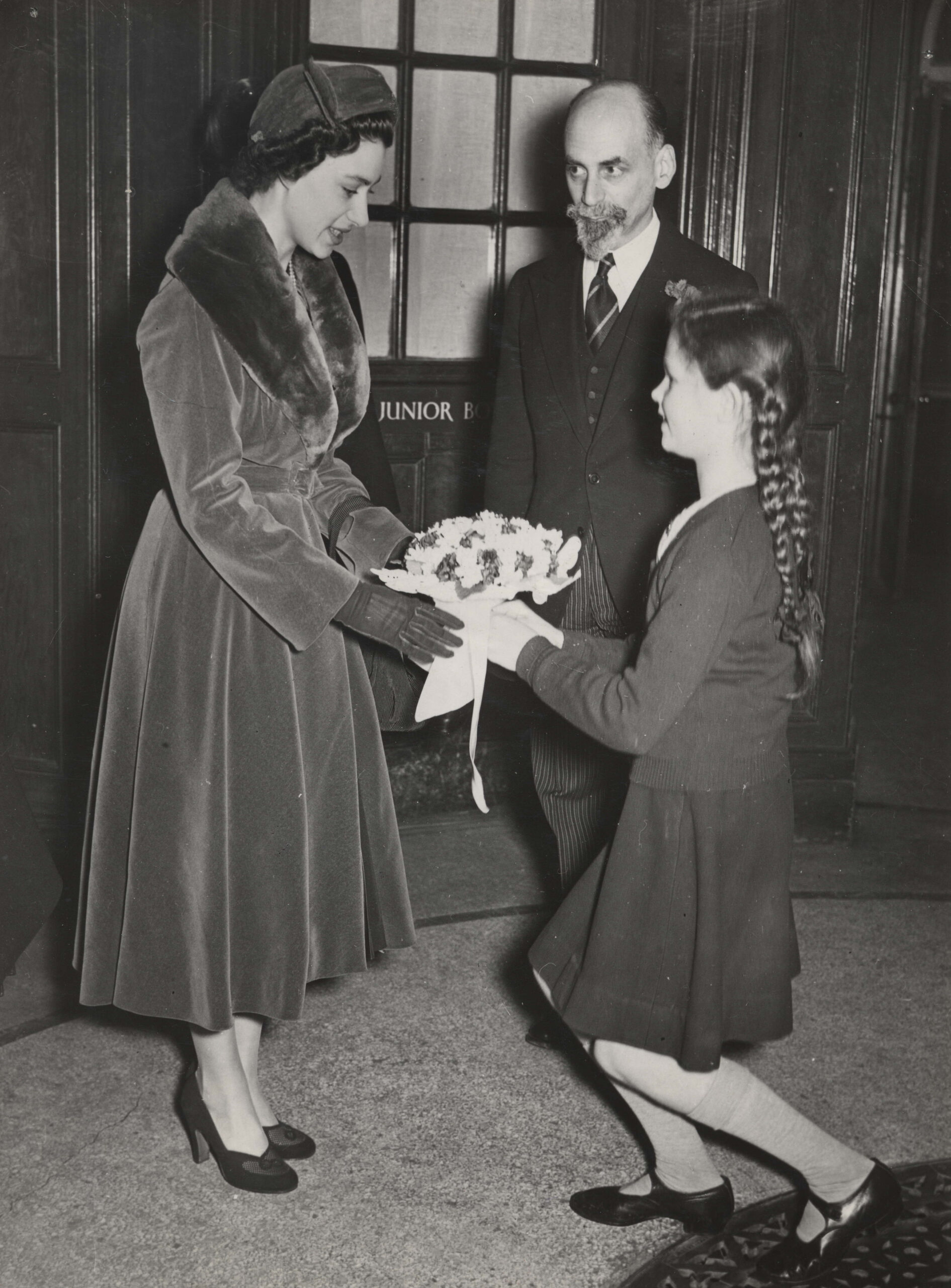
On 27 November 2025, Arnold’s grandson, Matt Mecs, and his wife, Jennifer, visited Upper School. The couple live in the United States but had previously visited the Special Collections stores at White Lodge to view material relating to Haskell’s influential career. This was the first time they had visited Upper School in Covent Garden, and they were ‘blown away’ by seeing several images of Arnold around the building, including among Senior Teacher and Upper School Head of Degree Programme Andy Granville’s School history displays in the academic classroom.
Written by Dr Anna Meadmore, Manager of Special Collections
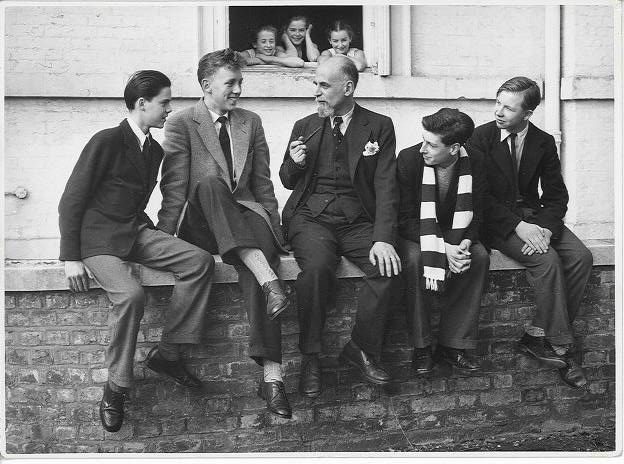
Header image: Arnold Haskell outside the Sadler’s Wells School at Barons Court in 1951.
Catja Christensen is the Marketing and Communications Executive at The Royal Ballet School and joined the School in 2025. She enjoys interviewing students, staff and guest artists for news stories and crafting eye-catching newsletters.