

100 stories: Denilson Almeida
As part of our centenary year, we are featuring 100 stories that make up The Royal Ballet School’s past, present and future. Today, we share the story of Denilson Almeida, alum and First Artist of The Royal Ballet.
Denilson Almeida was born in Brazil and began his training at the Petite Danse School in Rio de Janeiro at age 10. He competed in the 2017 Prix de Lausanne, where he was awarded the Rudolf Nureyev Artistic Prize and earned a scholarship to the School. As a student, Denilson earned The Ballet Association Award and the Worshipful Company of Gold and Silver Wyre Award for progress in classical ballet. He choreographed The Middle of Nowhere, inspired by Brazilian culture, for the Ninette de Valois Choreographic Programme.
As a student, he performed in various productions with the School and The Royal Ballet, including Kenneth MacMillan’s Manon, John Cranko’s Onegin as well as The Sleeping Beauty and Swan Lake. He joined The Royal Ballet’s Aud Jebsen Young Dancers Programme for the 2020/21 Season and featured in the 2021 Meet the Young Dancers Insight streamed online. In the 2022/23 season, he became an Artist with the Company, before he was promoted to First Artist in 2025.
In this interview, Denilson reminisces on his School days and shares how it feels to witness the School’s centenary year.
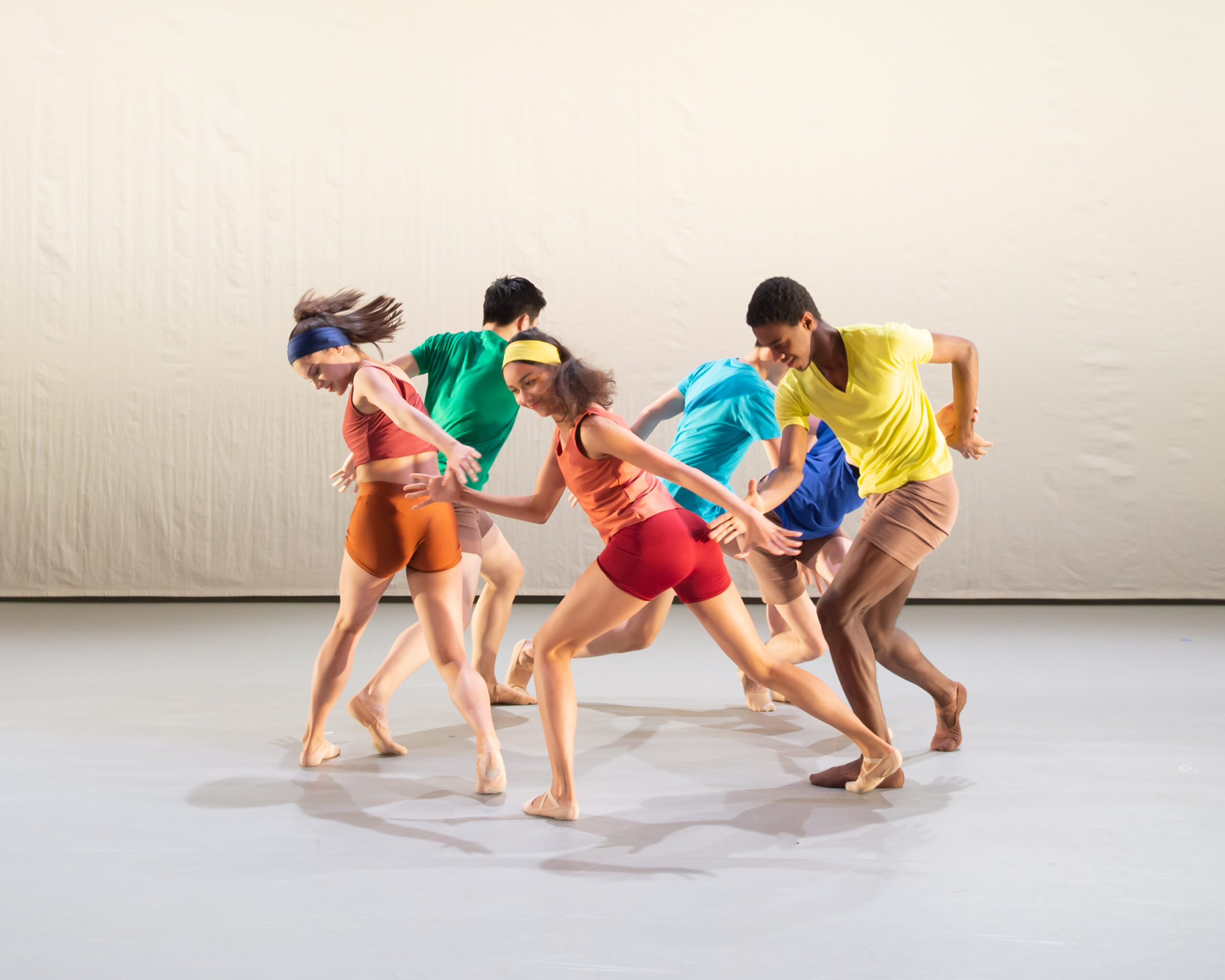
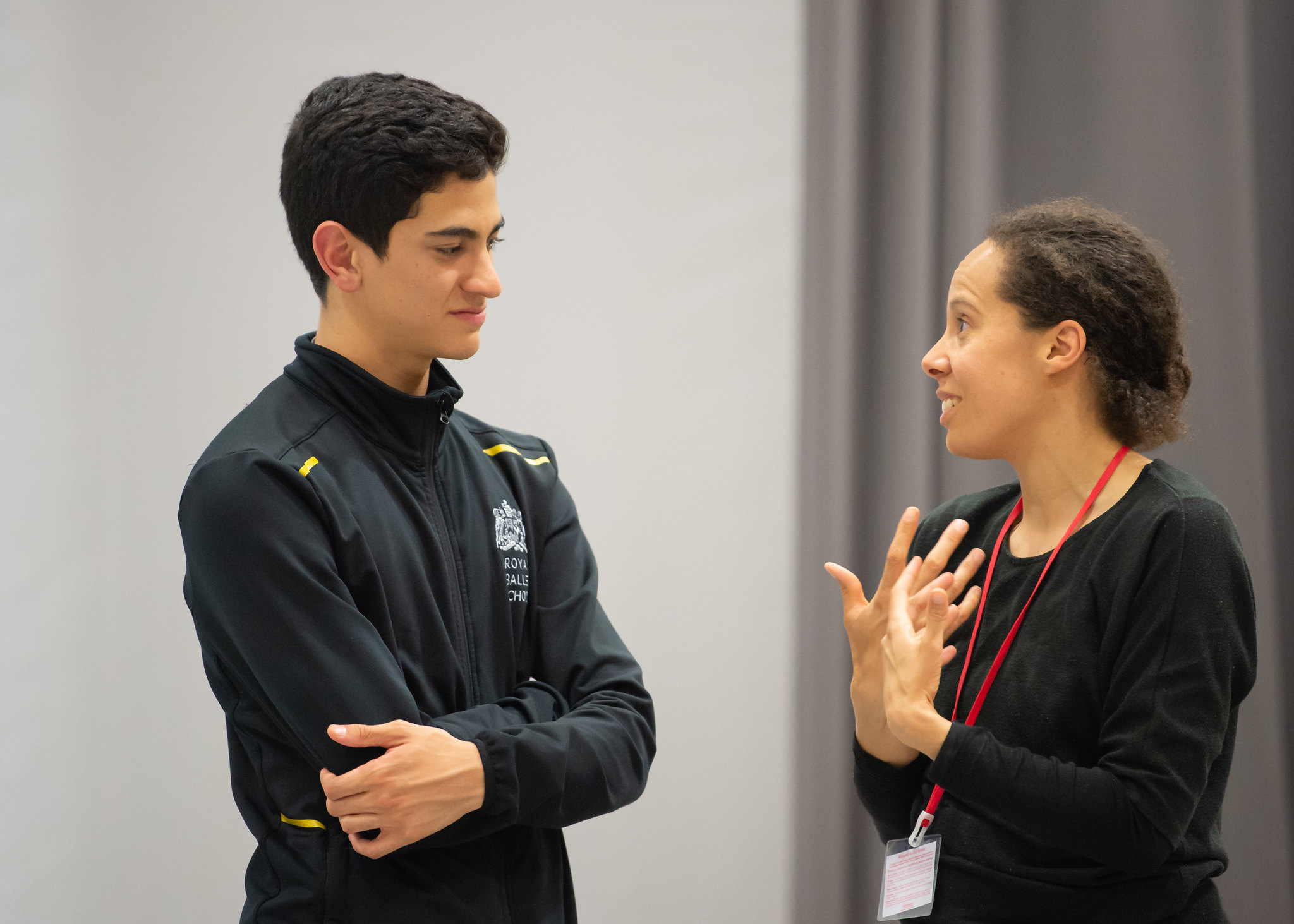
How did you initially come to attend the School?
I joined the Petite Danse School in Rio de Janiero, where Mayara Magri, Royal Ballet Principal dancer, and Leticia Dias, First Soloist, also trained. They both made it to The Royal Ballet School before me. I joined two years after Leticia left, so I knew the route to take in a way, but it was very steep. You had to go to the Prix de Lausanne, get to the finals, earn a prize and then maybe get offered a scholarship to the School.
I remember that I made a video for the Prix de Lausanne, went to Lausanne, got to the finals and got a prize. But I didn’t get one of the main prizes, so I thought, ‘Ok, I’m not going to get to choose where I want to go. I’m going to have to see who chooses me.’ And even then, it might not be fully funded. But The Royal Ballet School was there, so we went to meet with Christopher Powney (former Artistic Director and CEO of the School).
I also met with a school in Munich, but I really wanted to go to The Royal Ballet School. I went back to Brazil and waited for an email for about a month. I emailed again, and then Mr Powney replied that I would have a full scholarship. Even my flights from Brazil to London were covered! I’m so glad this happened and I want to share my gratitude and my appreciation.
What was your favourite memory while you were at the School?
I remember my first week at the School fondly because everything was so different, and it was such a shock. I remember this full-body feeling of everything being so new and walking into a kind of paradise. I romanticised living in London; I remember coming out of the Tube at Victoria Station, looking at the red buses and walking to School past all the landmarks. Everything felt so cool, special and unbelievable. Back in Brazil, it was an untouchable dream to be accepted into a school like this. I didn’t even speak English properly when I first moved. But I remember that first week being one of my favourite memories, especially going to Thorpe Park with my friends. I treasure it.
How do you think the financial support you received enhanced your training and impacted where you are now?
One of the things I most appreciate about the financial support is that I never felt different to my peers. The School made it so clear that they didn’t want us to feel different, but it really did change my life for the better. Things in Brazil were quite rough financially, so there would be no way I could have gone to the School otherwise. I think the allowance I got from School was more than my mum’s salary.
I always thought it was very special that I had the space to study at the same level as my fellow students and colleagues. The support really did change my life for the better, and it gave me my untouchable dream.
As I get older, I can look back and appreciate it even more. Every day, when I go to work at The Royal Ballet, which is the full circle of the dream, it makes me really appreciate the support I received. My mum taught me to be really grateful for the things that life gives us.
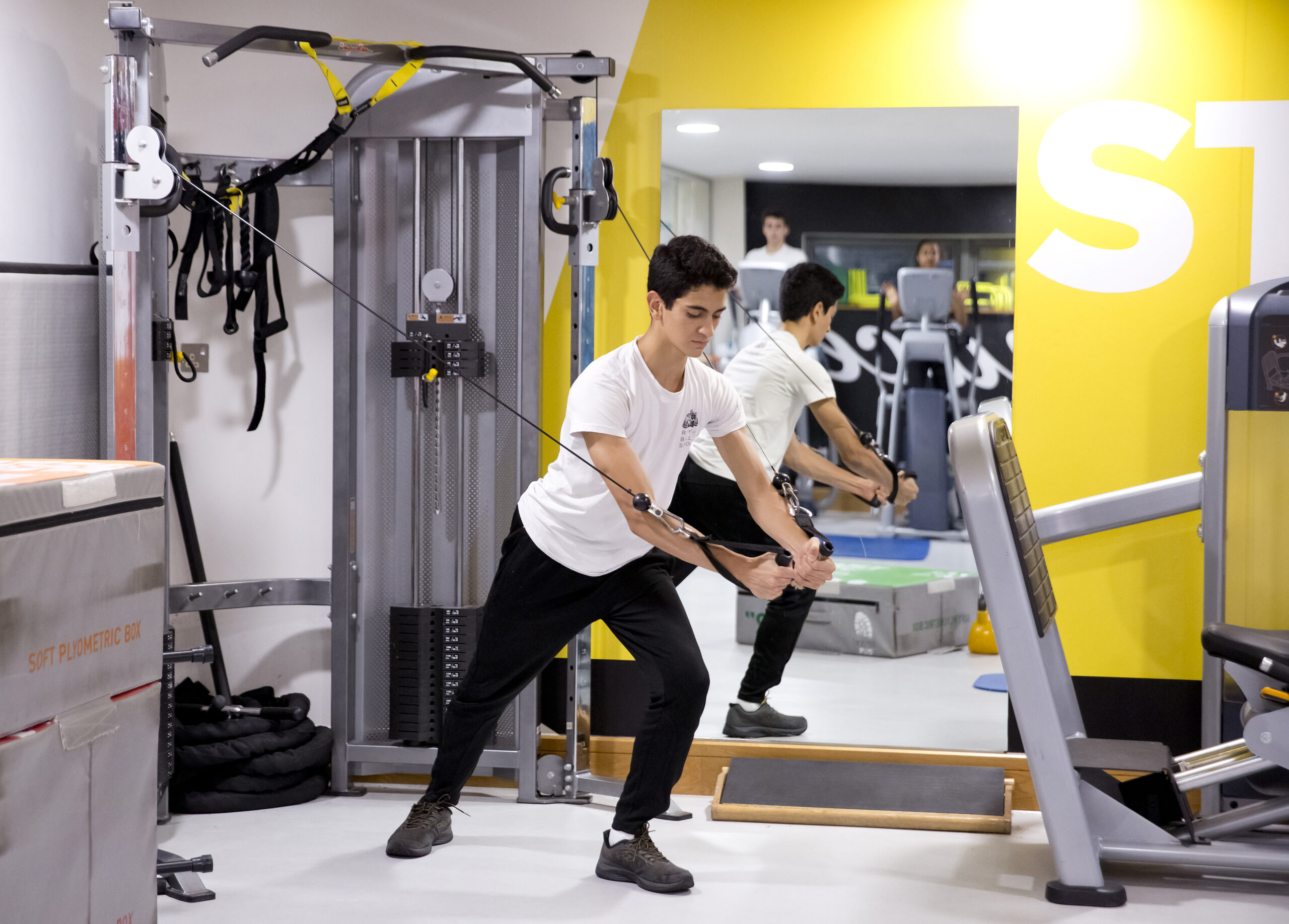
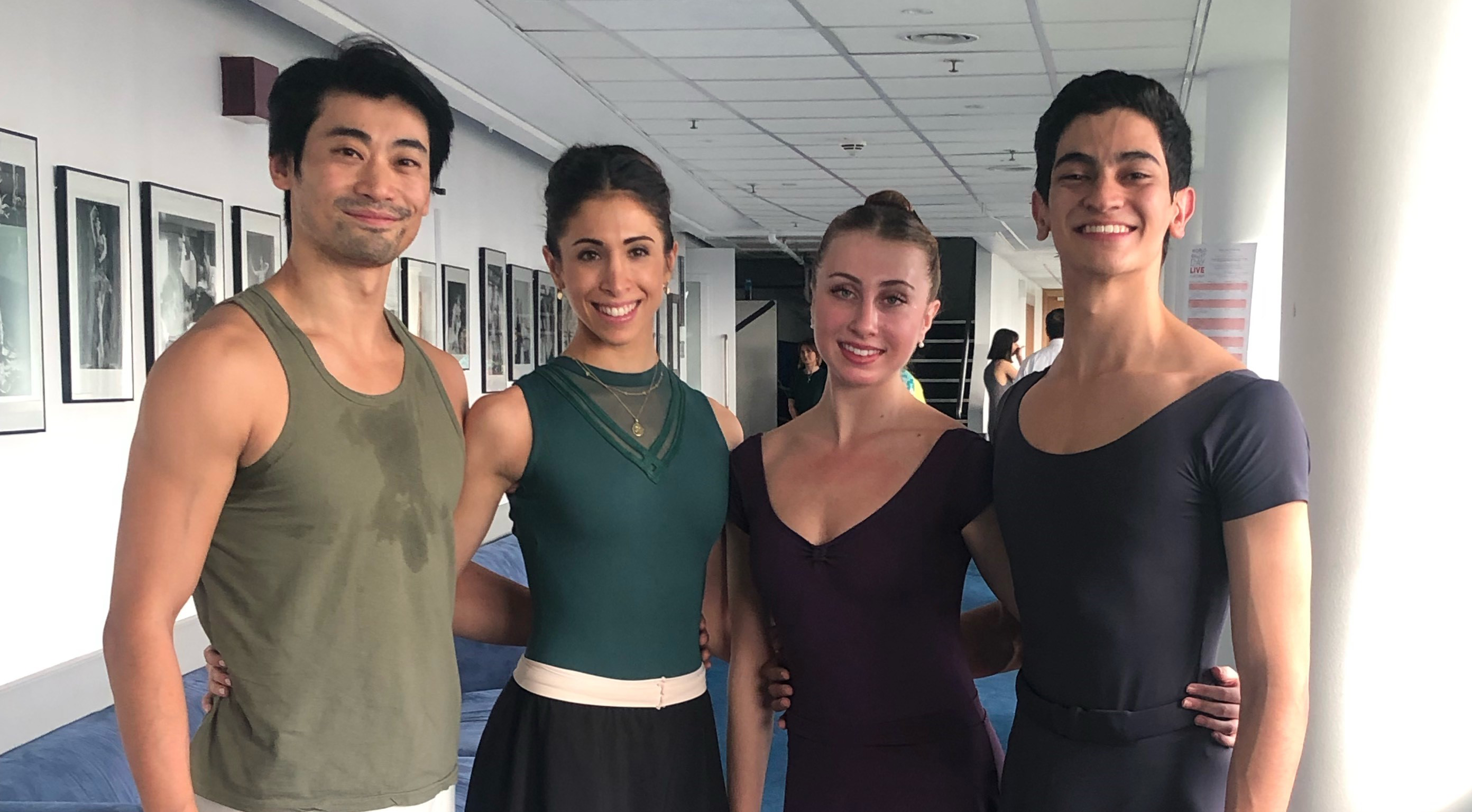
/
What would you say to someone who is thinking about supporting the School financially?
It is important to realise that it’s not just about supporting the arts. I think it is deeper than that. You could be supporting a child who is in a favela in Rio, dreaming to attend the School but unsure how it would work. He’s just watching YouTube videos of The Royal Ballet dancing or insight talks in English, and he doesn’t even understand English, but he’s trying to learn everything.
It’s realising that you could be changing someone’s life and someone’s family. I haven’t even been in the Company that long yet, but I was able to bring my mum and my brother to London for the first time, and I also managed to go back and help them with many things. I bought my mum’s house. Supporting the School is realising that there is a whole bigger cause that people don’t even see sometimes. It’s not just the arts.
What do you think your life would be like if you hadn’t attended the School?
It would have been really different. My mum always dreamed bigger than what we had around us, but with the conditions that we had in Brazil, it would have been hard. She would have made me study really hard at school, and I would understand that that’s what I needed to do. But she also saw that I wanted ballet, which was quite untouchable as well. Because in Brazil, ballet was far away. I was having to train hours and hours away from home, and that wasn’t even The Royal Ballet School.
I dreamed of living in London or Paris which was so crazy, but I am very grateful to my mum for allowing me to still believe in that, and she believed in it just as much as I did. Having people that believe in you from such a young age was so important to me, from my mum to my teachers in Brazil who believed in me and then now being able to come back to talk about the School and that support. Life could have turned out quite differently.
What’s something that you hope to pass on to the next generation of dancers that are coming through the School?
Appreciate the art. I know it’s a slow process, but appreciate every moment that you can do what you do, like getting into the School or getting a contract in a company. We are so lucky to do something that we start when we’re so young, and we can treasure this childlike feeling of doing something that you’re good at. Look yourself in the mirror and say, ‘Yes, I deserve this, and I worked hard for this.’
For dancers, sometimes that becomes hard to see with everything that’s going on around us, but I appreciate how lucky we are to be able to perform on stage and be taught by teachers that had these careers. Those are two things that I try to appreciate every day. As I said, the older I get, the more I look back and think, ‘Oh, God, I’ve been very lucky and fulfilled.’
The centenary just adds to how special it is. I love hearing that other Brazilians are in the School or Company, because Brazilians all know each other. It feels like there is more community. I feel very lucky and special to have attended the School.
Catja Christensen is the Marketing and Communications Executive at The Royal Ballet School and joined the School in 2025. She enjoys interviewing students, staff and guest artists for news stories and crafting eye-catching newsletters.