

100 stories: Frederick Ashton
As part of our centenary year, we are featuring 100 stories that make up The Royal Ballet School’s past, present and future. Today, we share the story of Sir Frederick Ashton OM, CH, CBE, Founder Choreographer and former Director of The Royal Ballet and founding member of the School.
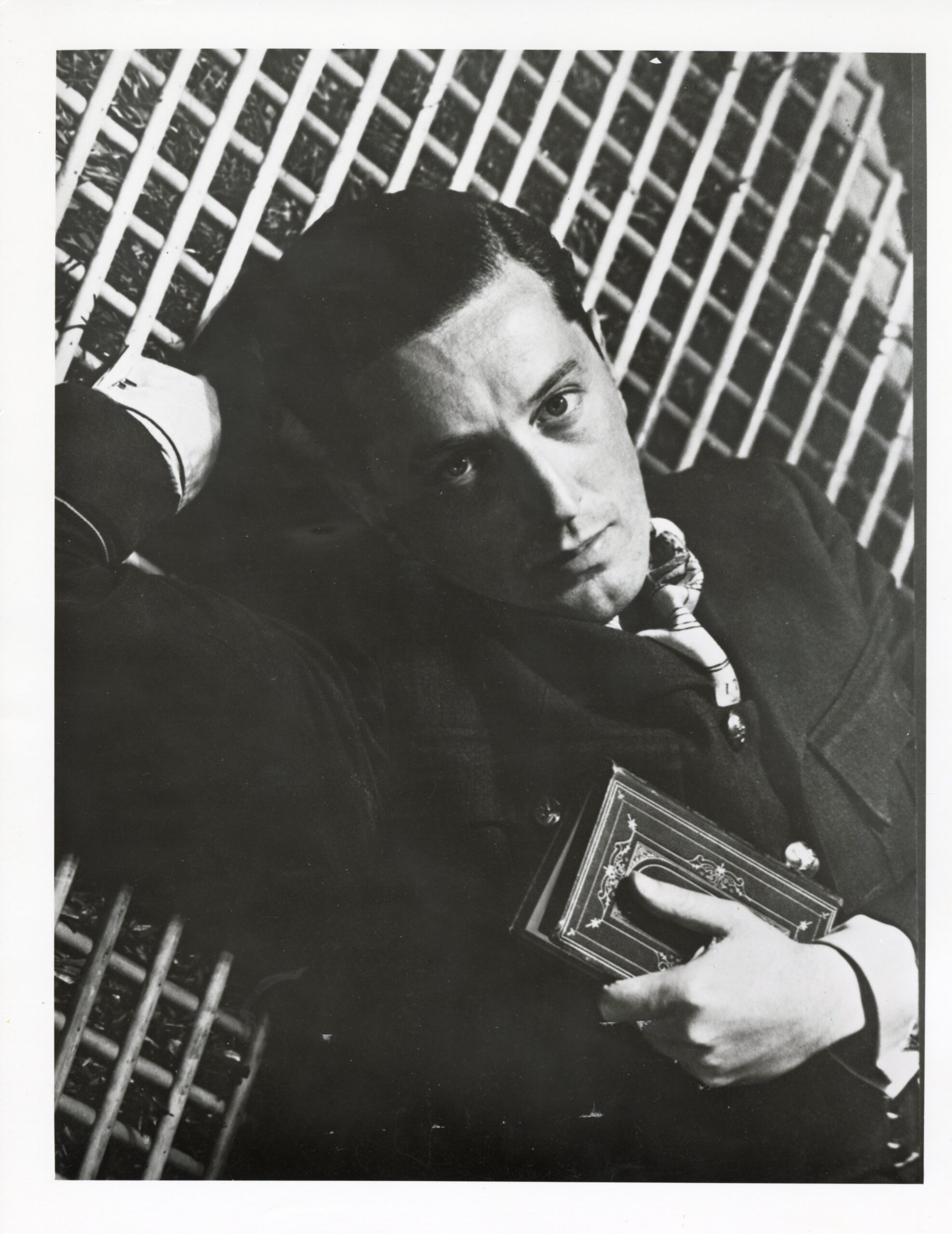
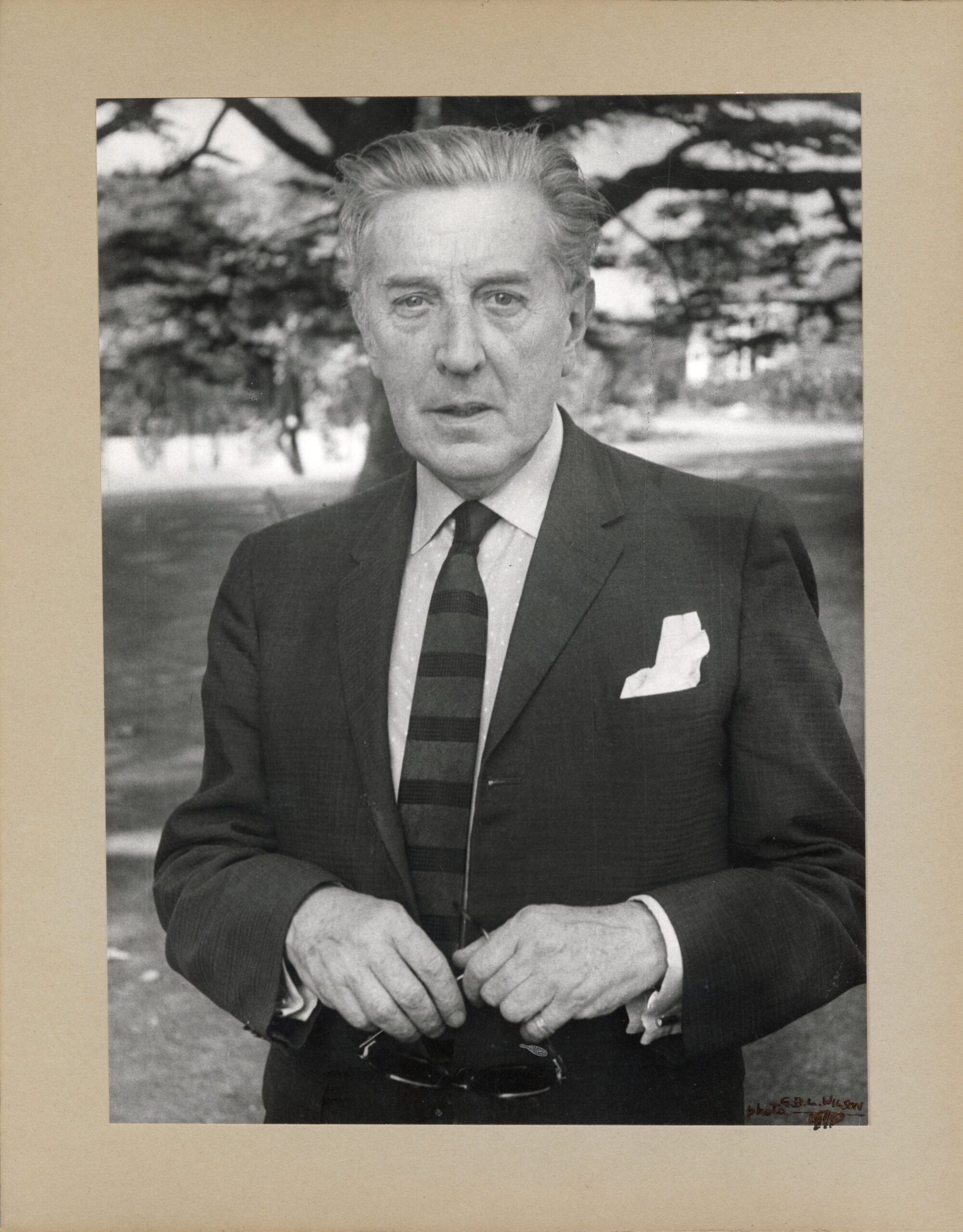
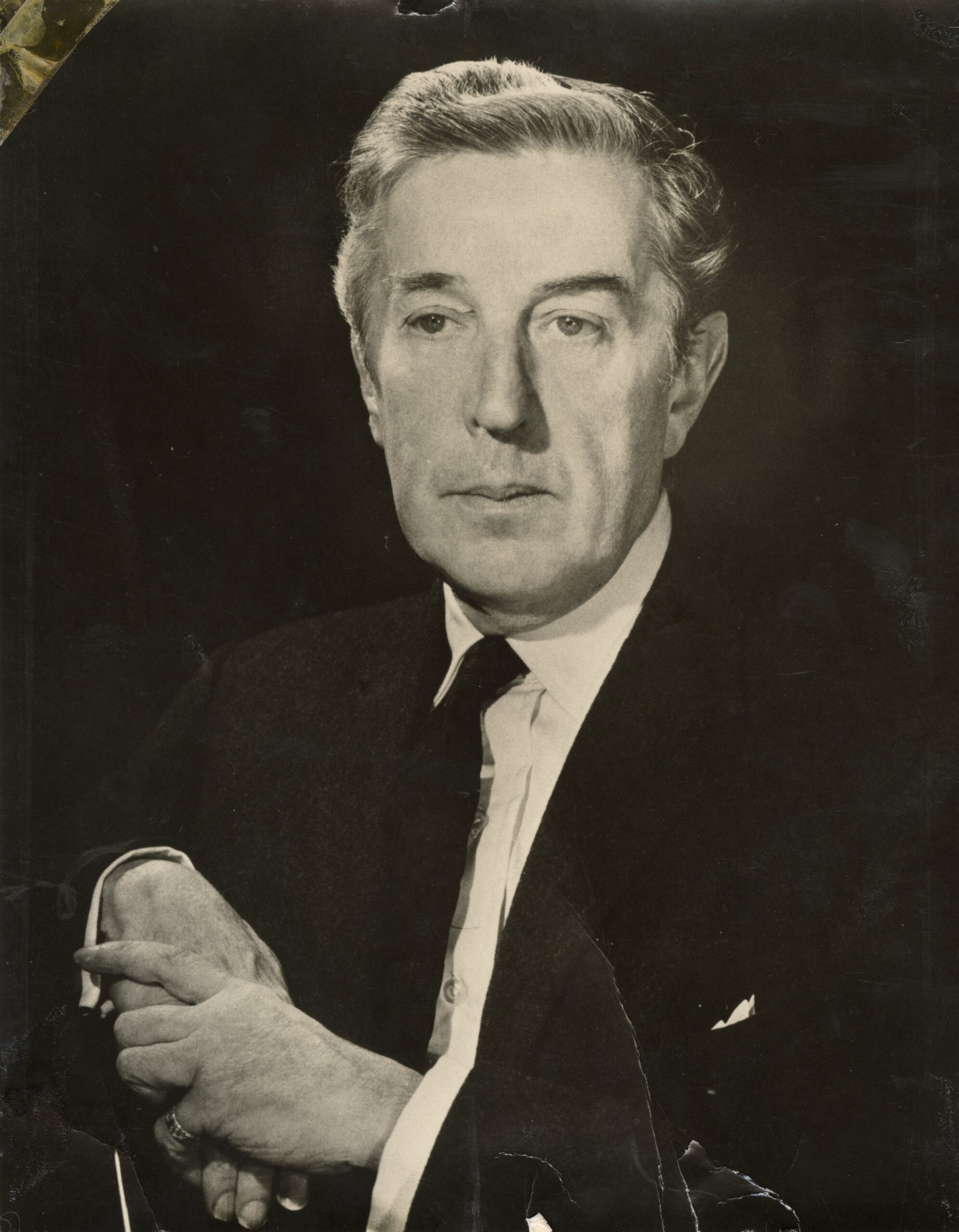
Frederick William Mallandaine Ashton was born in Ecuador to British parents in 1904. He and his family moved to Lima, Peru shortly after, where he saw his first ballet, performed by Anna Pavlova in 1917. He reportedly said that ‘from the end of that evening, I wanted to dance’.
After attending Dover College and working as a clerk in London, Ashton began taking ballet classes with Léonide Massine, an influential 20th century Russian choreographer and former dancer with Sergei Diaghilev’s Ballets Russes. He later studied with Marie Rambert, Founder and Artistic Director of Rambert company and a contemporary of Ninette de Valois. Rambert gave Ashton his first opportunity to choreograph in 1926, when he created A Tragedy of Fashion. In 1928, he joined the Ida Rubinstein company in Paris and became Bronislava Nijinska’s apprentice, one of the few acclaimed female choreographers at the time.
He returned to London the following year and helped establish the Camargo Society, a London-based subscription club formed to nurture British ballet by commissioning new works, with music, choreography and design by British artists, and Rambert’s Ballet club in 1930.
After de Valois founded the Vic-Wells Ballet in 1931, she invited him to join the Company as a Principal dancer and Resident Choreographer. Ashton played a crucial role in determining the course of the Company and the Vic-Wells Ballet School, establishing choreography as a key tenet in the curriculum. The organisation was renamed the Sadler’s Wells Ballet Company and School in 1939.
During the Second World War, Ashton worked as an intelligence officer in the Royal Air Force, but he was occasionally granted leave to continue working with the Company. After the war, the Company moved to the re-opened Royal Opera House, and de Valois founded a second company, the Sadler’s Wells Theatre Ballet, to reside at the original location. Ashton traveled with the Sadler’s Wells Ballet on tour to the United States in 1950, and he was later invited to return to choreograph for New York City Ballet. Later that year, he was appointed a CBE in recognition of his performance and choreographic contributions.
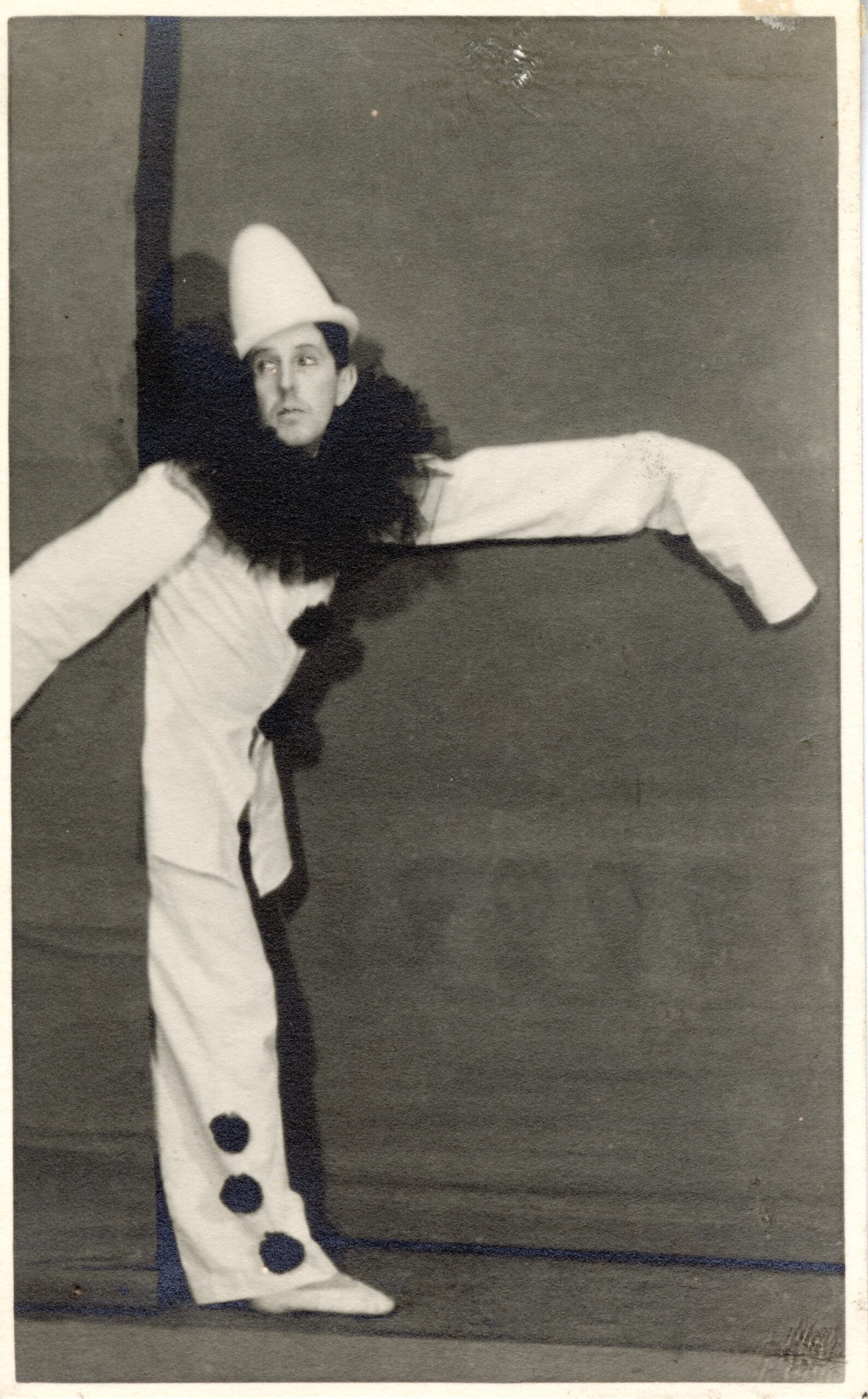
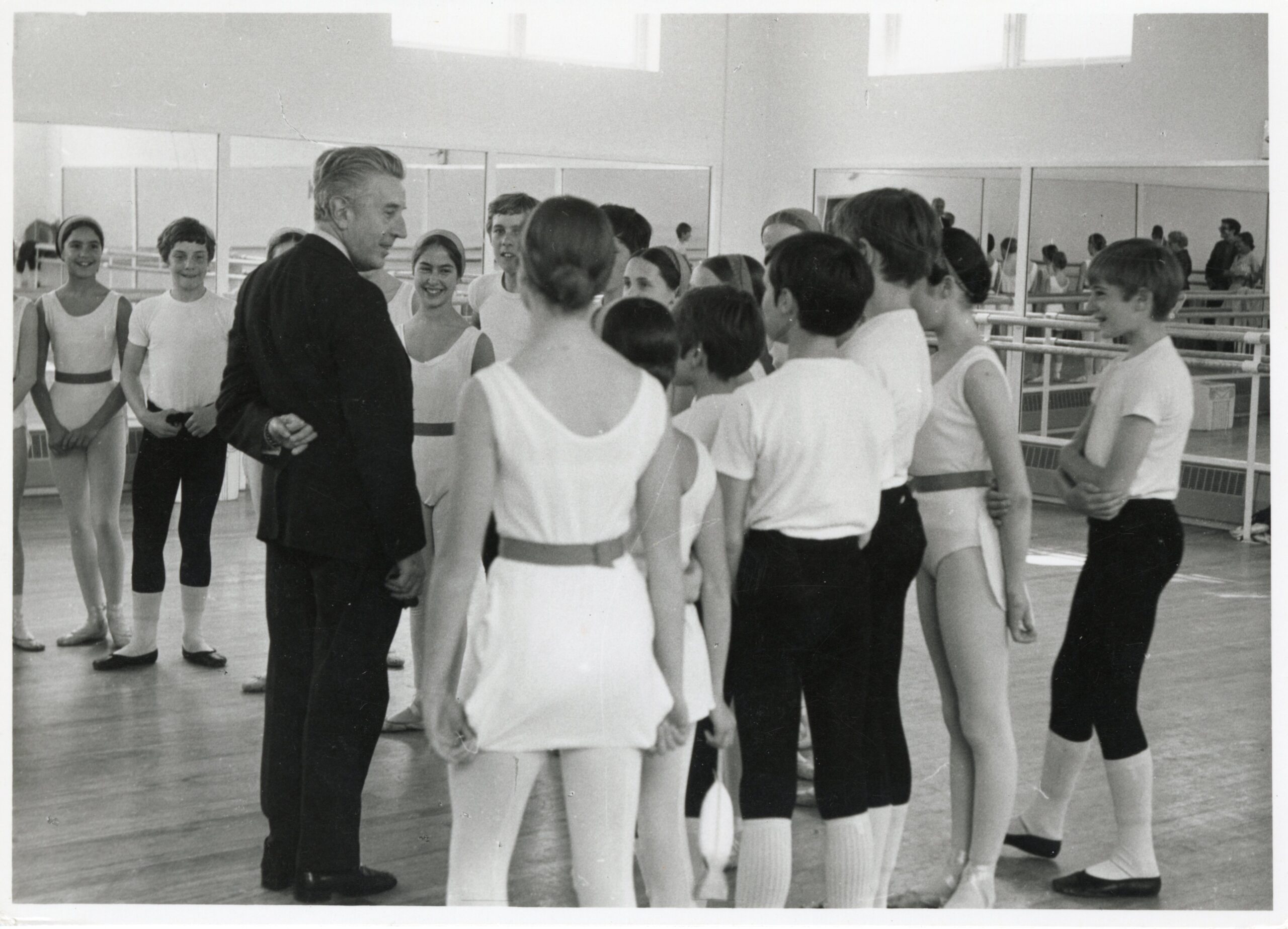
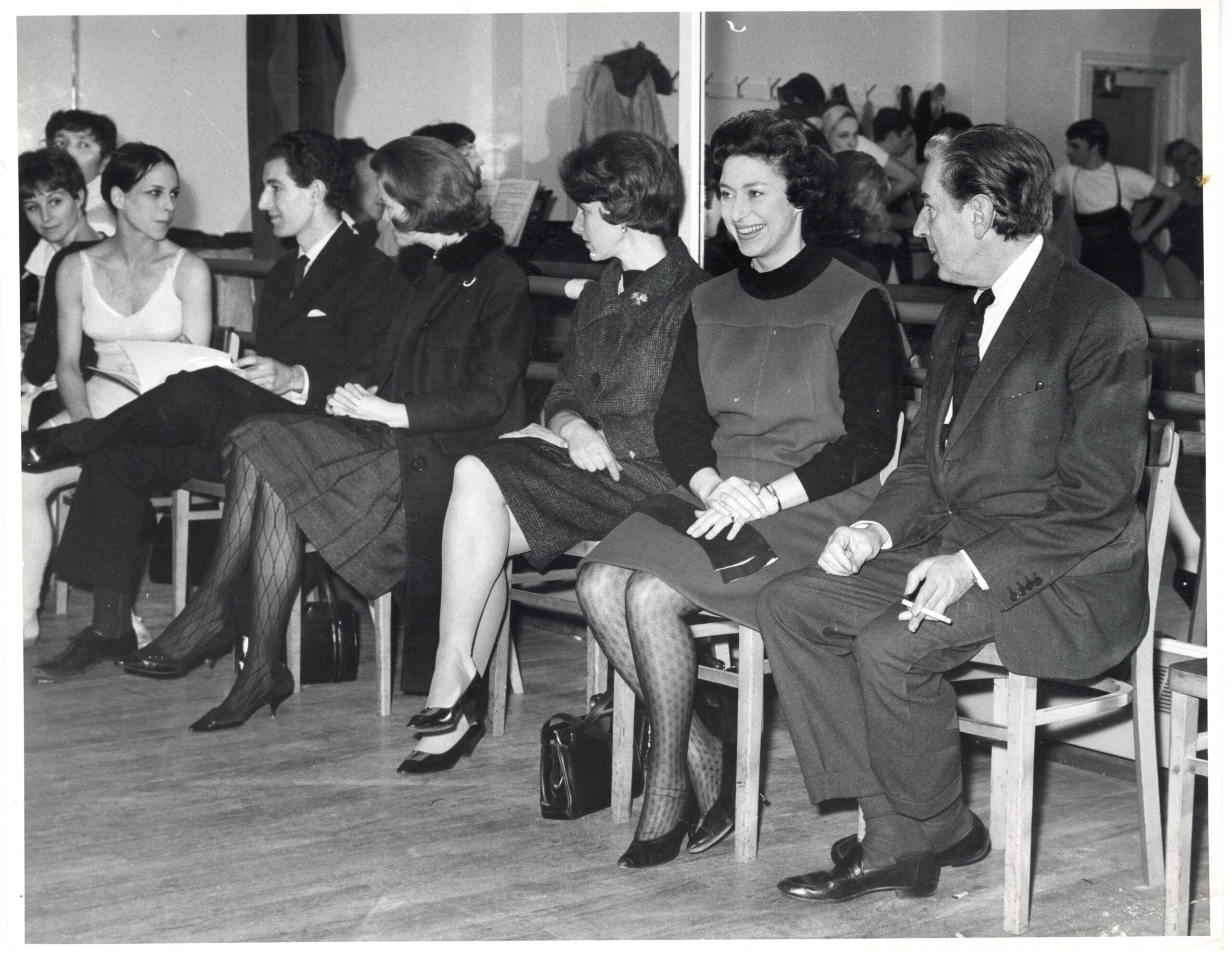
In 1952, Ashton was appointed Associate Director of the Sadler’s Wells Ballet. Four years later, Queen Elizabeth II granted the School and Companies a Royal Charter, resulting in The Royal Ballet in Covent Garden, The Royal Ballet Touring Company (Birmingham Royal Ballet) and The Royal Ballet School. He choreographed Birthday Offering that year to celebrate the 25th anniversary of the Company.
In 1963, he succeeded de Valois as Director of the Company, a role he held until his retirement in 1970. He continued to choreograph throughout his life, producing his last major work, Rhapsody, in 1980.
Throughout his illustrious career, Ashton was awarded several times to recognise his contributions to British ballet, including: the Queen Elizabeth II Coronation Award from the Royal Academy of Dancing (1959), a knighthood (1962), honorary doctorates from the University of Durham (1962), University of East Anglia (1967), University of Hull (1971) and University of Oxford (1976) and the Order of Merit from the Queen (1977).
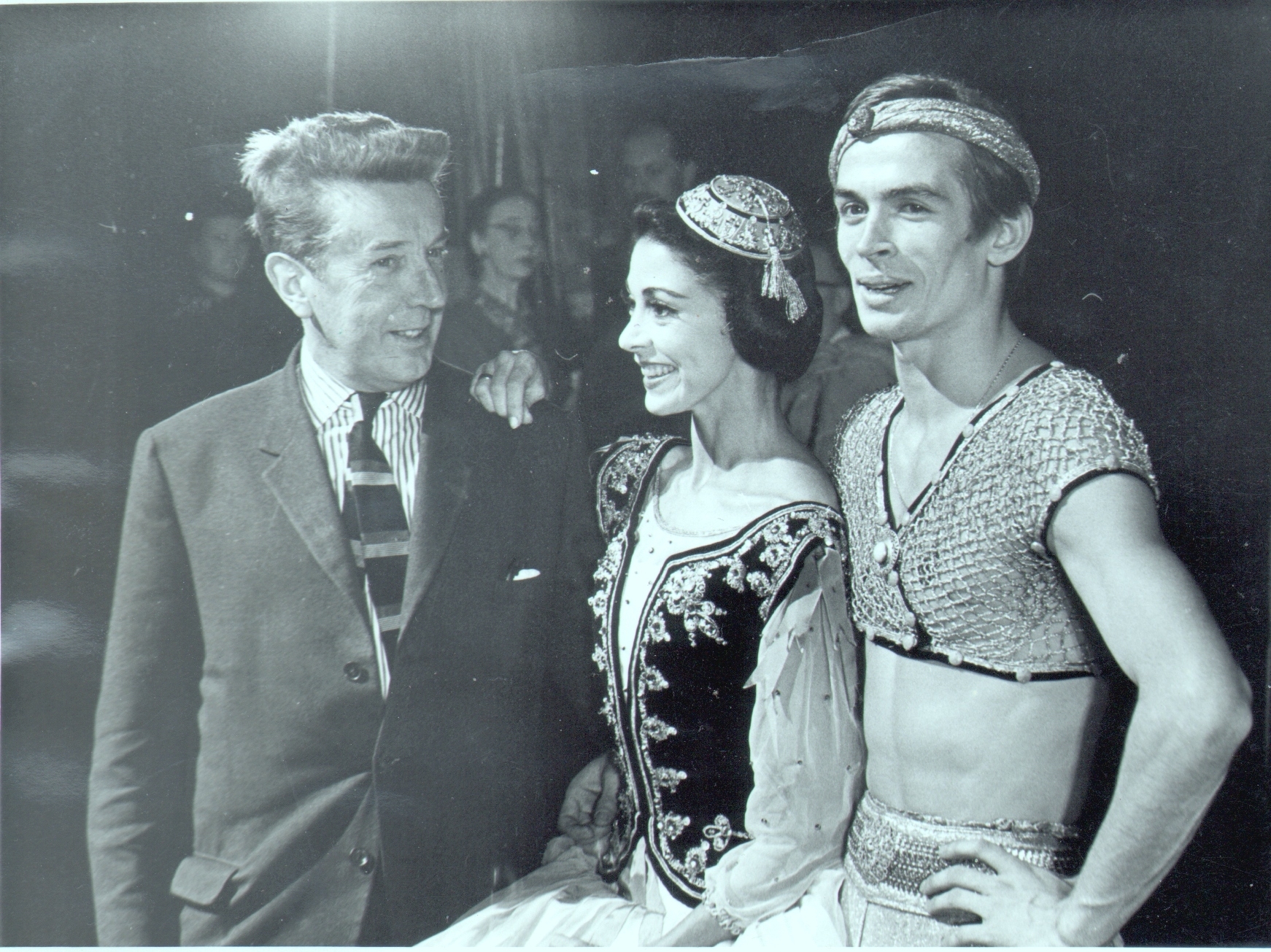
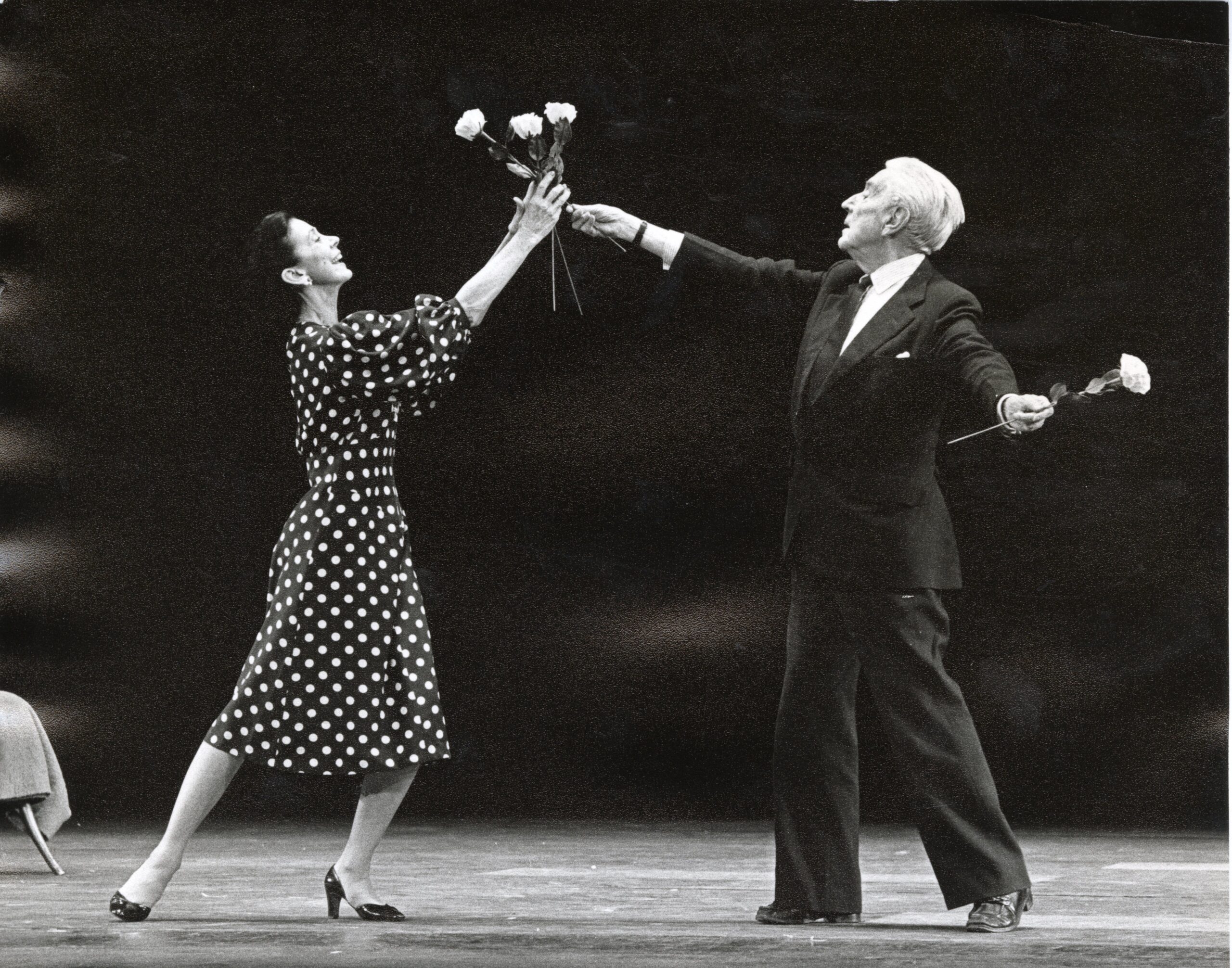
Ashton died in his sleep on 19 August 1988 in Suffolk. In 2009, a memorial stone to the Founders of The Royal Ballet – Ninette de Valois, Frederick Ashton, Constant Lambert and Margot Fonteyn – was dedicated at Westminster Abbey on 17 November. The Frederick Ashton Foundation, established in 2011, continues to promote and enrich the legacy of Ashton and his work.
The School continues to honour Ashton’s contributions to the organisation, the Companies and the greater British ballet repertoire today through the annual Frederick Ashton Emerging Choreographer performance, an opportunity for Upper School students to develop and present their own choreography to an audience of donors, staff and parents. This performance is part of the Ninette de Valois Choreographic Programme, an integral component of our students’ academic and artistic education, providing a platform for our emerging artists to create, explore and develop their expressive instincts alongside their technical training.
The School also presents the annual Ashton Award to a graduate who embodies the style, personality, and technique of Ashton choreography. In 2026, this prestigious honour was awarded to Ivan Malaguti and Nanoha Shigeoka.
Catja Christensen is the Marketing and Communications Executive at The Royal Ballet School and joined the School in 2025. She enjoys interviewing students, staff and guest artists for news stories and crafting eye-catching newsletters.