
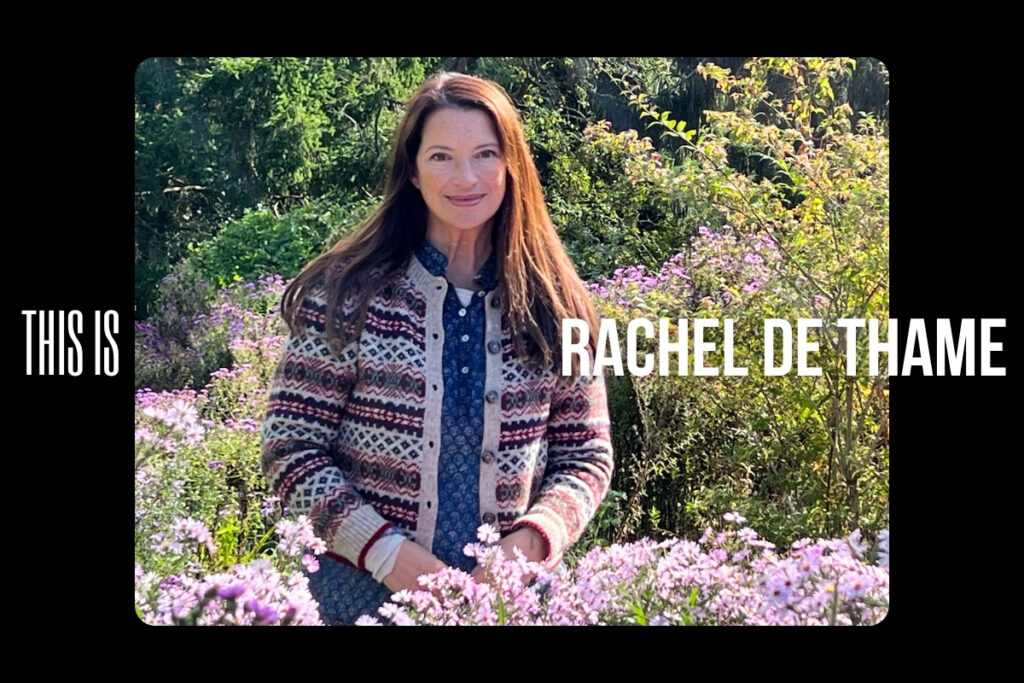
100 stories: Rachel de Thame
As part of our centenary year, we are featuring 100 stories that make up The Royal Ballet School’s past, present and future. Today, we share the story of Rachel de Thame, alum, horticulturalist, and presenter of the BBC’s Gardeners’ World.
In addition to her appearances on Gardeners’ World, Rachel is also co-host for the major Royal Horticultural Society gardening shows for the BBC, including The Chelsea Flower Show. She is the author of several books, writes regular columns for newspapers and magazines and is a public speaker. But before she was known for her love of blooms, Rachel was an aspiring ballet dancer at The Royal Ballet School. ‘I remember, very embarrassingly, saying to somebody and truly believing it, that I was going to be the next Margot Fonteyn, and that was many years before I came to the School,’ she recalls with a laugh.
From Hadley Wood to Richmond Park
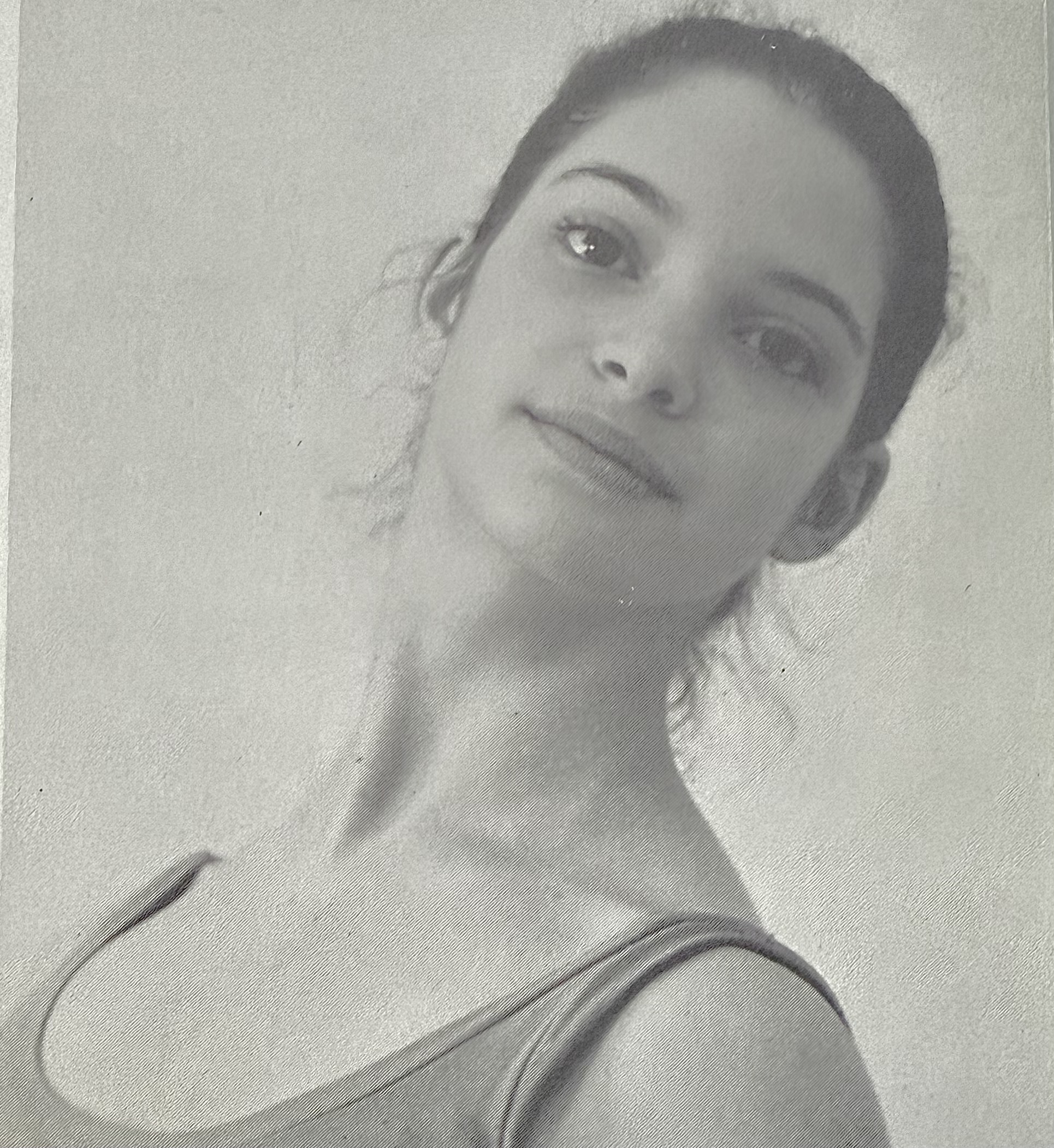
Rachel began dancing around age five, taking ballet class once a week at Miss Potter’s Ballet School in Hadley Wood, on the edge of north London. ‘I don’t remember ever wanting to do anything else. I knew straight away. It seems weird to say at 64, but if I’m completely honest, I still believe I was born to be a ballet dancer. The feeling was incredibly strong. I had absolute certainty,’ she recalls.
‘My lovely teacher’s passion was for ballroom dancing, and the boot of her car was always filled with sequins and tulle. I thought she was the most glamourous woman ever. She was the one who thought, Rachel has got something. She started to talk about my parents about my auditioning for The Royal Ballet School.
My mum was the opposite of a ballet mum. She didn’t exactly discourage it, but she was very level-headed and knew the odds were tiny. When it came to taking the Royal Academy of Dance exams, she wouldn’t even buy me ballet tights.
I remember she bought me two pairs of regular tights, one white and one pink, and had me wear one on top of the other so that it was an approximation of the light pink ballet tights. She was very unfussy. So, I also auditioned for White Lodge in a bright yellow and white swimming costume with fish on it. She didn’t even buy a proper leotard for the audition.
I remember the audition at Talgarth Road very well. Mum and I booked into a local B&B the night before. Throughout the day, the group of girls got smaller. I remember standing in front of people doing rudimentary dance steps across the floor. We also had an academic written exam. I was still there at the end of the day, then there were letters exchanged and, before I knew it, I was off to White Lodge.’
Life at the Lodge
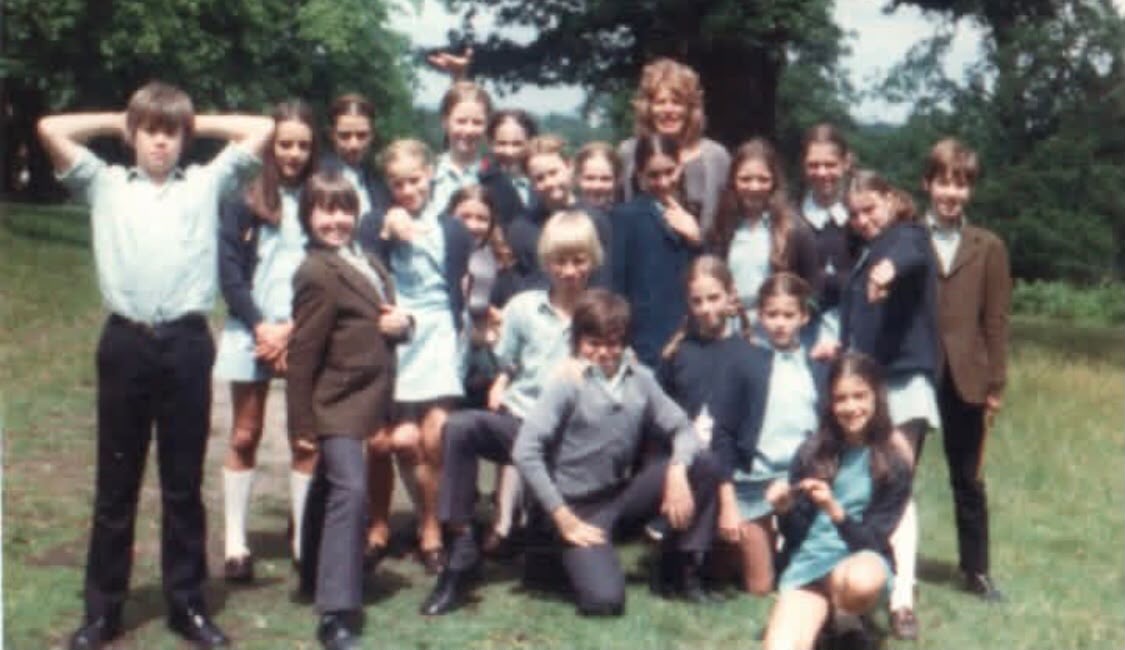
Though her parents were not fussy about her dancewear, they encouraged her early love for ballet. ‘I was totally obsessed. They took me to the Royal Opera House a few times. I saw Margot Fonteyn and Rudolf Nureyev, and I would sit there and dream about which of the tutus I’d wear. I remember going to The Nutcracker and afterwards walking down the grand staircase with its crimson carpet, as if I were a ballerina.’
Rachel felt a strong calling to the art form, and still does to this day. ‘I don’t think I realised how fortunate I was to get into White Lodge. I didn’t understand how difficult it was to do that, and I appreciate it more now, than I did at the time. I think my naivety had something to do with my certainty, feeling that this was simply my destiny.’
Despite this clarity about her vocation, Rachel’s first years at White Lodge were challenging. She struggled with commuting alone across London, fitting in with the other girls and battling homesickness.
‘My mother had applied for the wrong year, so I actually went to White Lodge when I was 10. Since we started in September, and I didn’t have my 11th birthday until the middle of October, I was always the very youngest in the class. In retrospect, it would have been helpful if I’d been in the correct year, for my physical, mental and emotional maturity.
Initially, I was a day girl. I travelled on the Overground train from Hadley Wood in Hertfordshire down to King’s Cross, then I took the tube to Victoria, where I changed onto the District Line to Richmond. It was an hour-and-a-half each morning and again every night, and I was often late for the minibus that took us from Richmond Station to White Lodge. I think I did that for two terms, then we all realised it was far too much. I was exhausted.
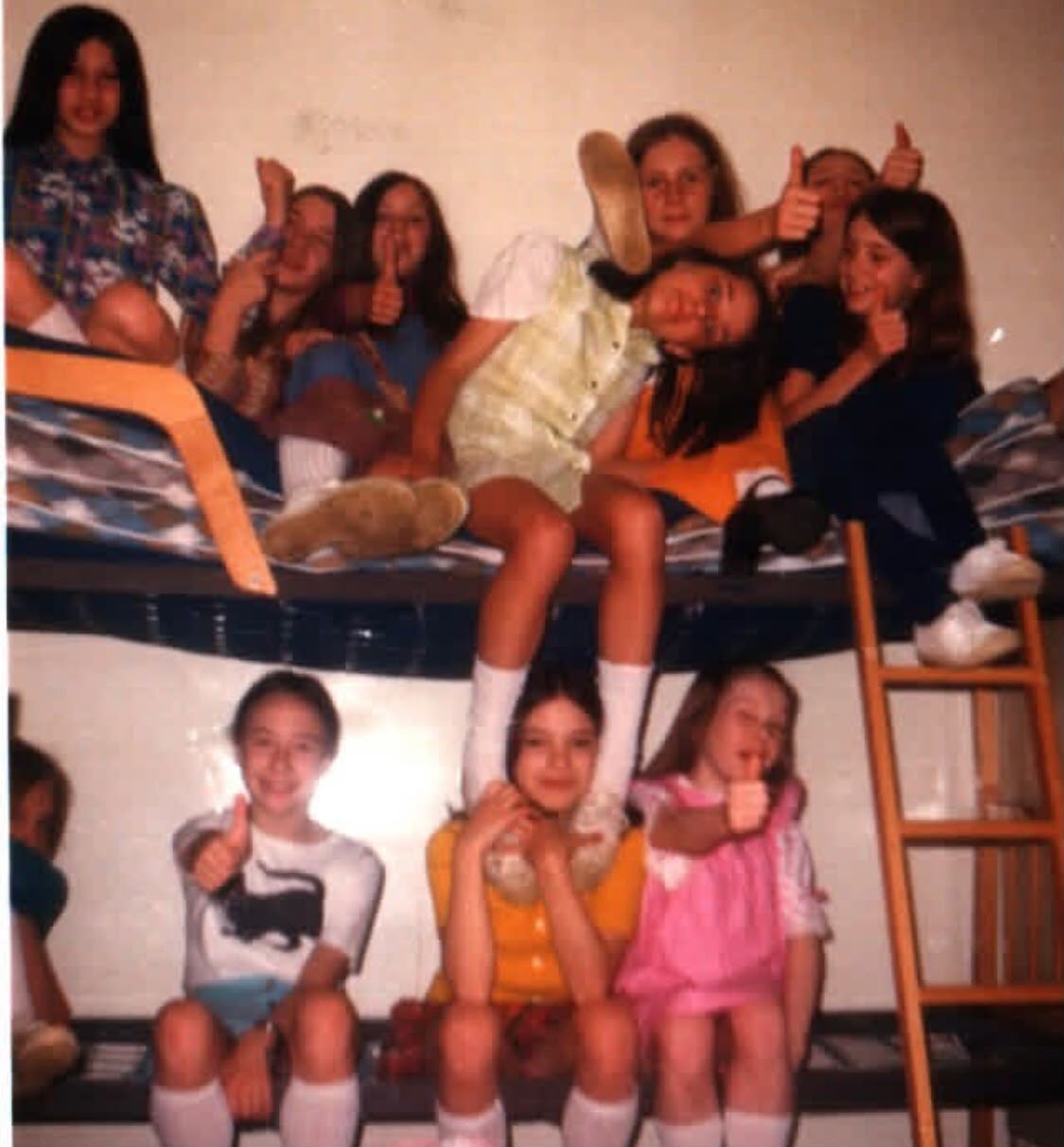
I eventually started boarding, but it was difficult because by that time, all of my classmates had already buddied up. I also didn’t seem to have a lot of the little things that matter so much at that age, like a teddy bear on my bed, so I felt different. It took me a while to settle in, and it wasn’t until my third year, when I’d matured a little, that I began to enjoy it and developed lasting friendships. I think if I’d started boarding from the start, it would have been very different.’
Luckily, Rachel’s love for dancing motivated her to stay for seven years. ‘I had lovely teachers, among them Sara Neil, who was very soft and gentle, and Pauline Wadsworth, who terrified me, but taught me so much. Then there was Patricia Linton, who I loved. She was inspirational, and she saw something in me. She helped me to improve my turnout and extensions, because I wasn’t naturally very turned out and didn’t have the lovely deep pliés of some of my friends. I think my ‘thing’ was that I was very musical and expressive. I was good at interpreting the music through my épaulement, arms and face. Other aspects of my technique were ok but still needed a lot of work. Miss Linton helped me gain confidence and I improved, though I never managed to master fouettés.’
Rachel also recalls taking classes taught by Founder Dame Ninette de Valois, better known as ‘Madam’ and Dame Alicia Markova. Another highlight was unexpected: ‘During my final year, classical flamenco was introduced to the curriculum. I adored this dynamic form of dance so much, I felt I must have been Spanish in a previous life.’
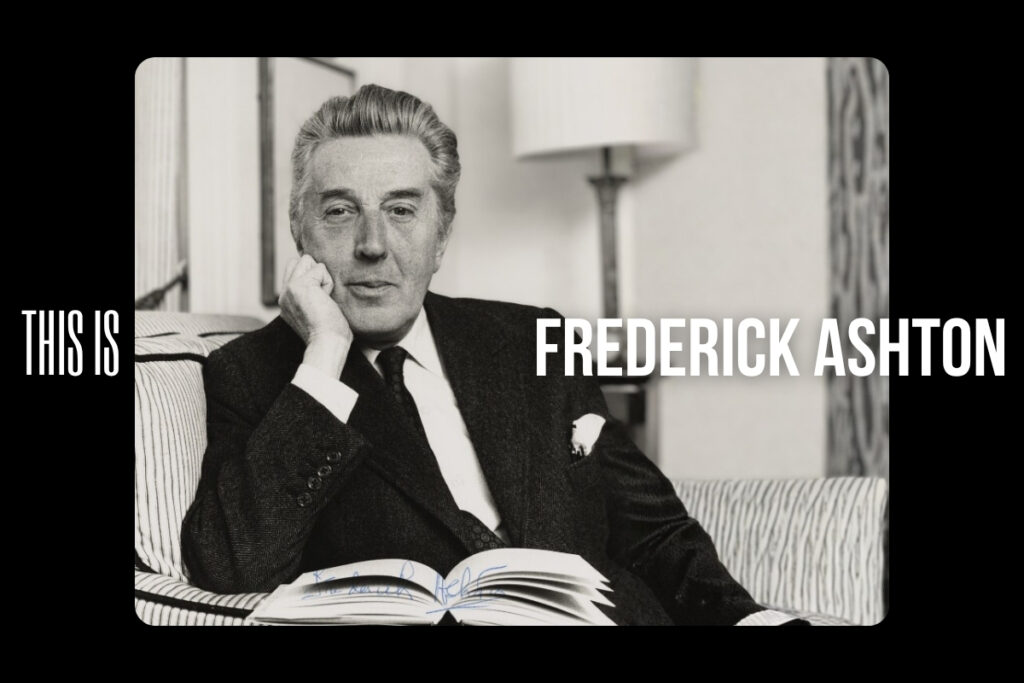
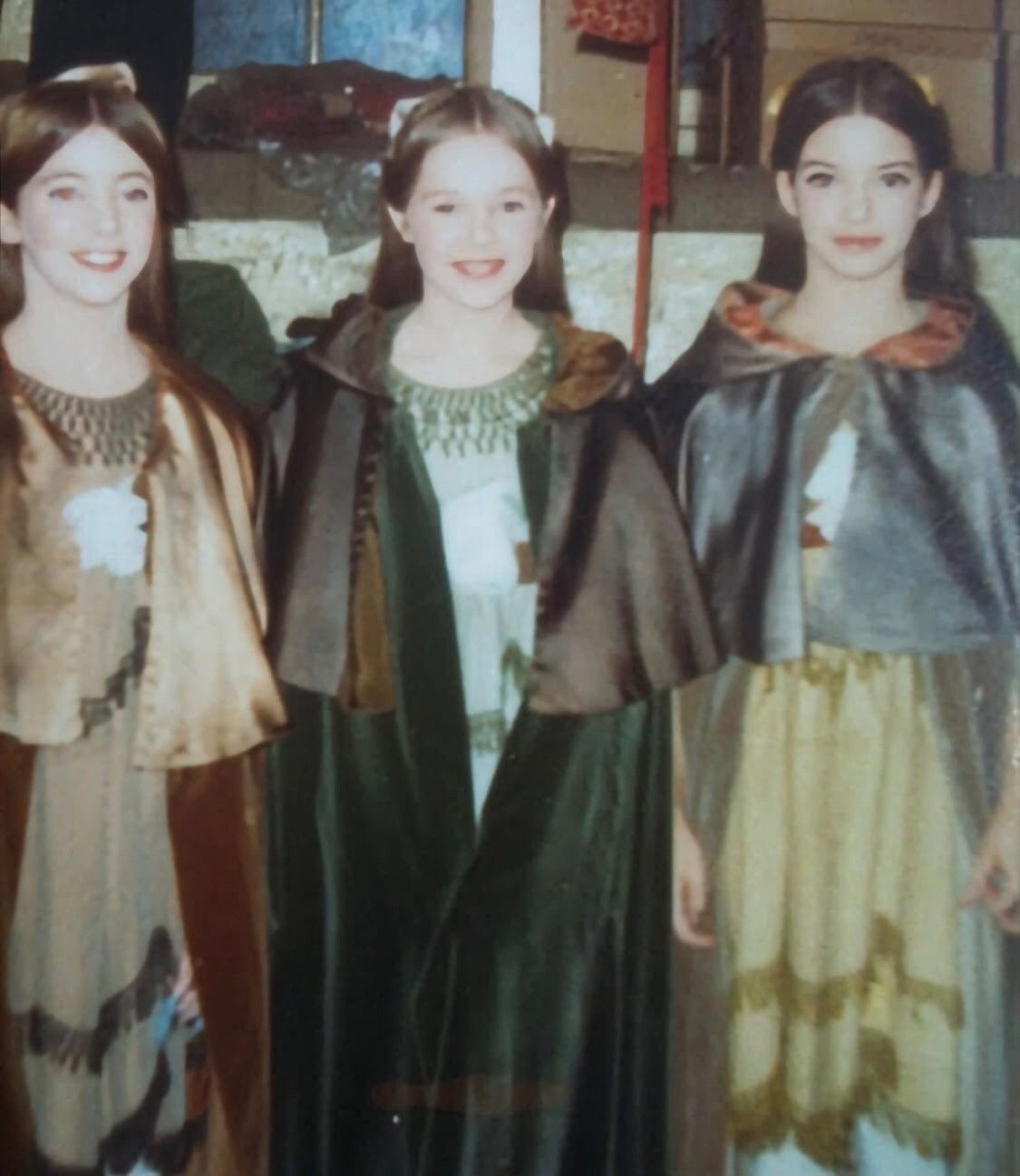
While at White Lodge, she performed as a party girl and the following year, a rat in Rudolf Nureyev’s The Nutcracker. ‘I remember him trying to get us to run quietly, saying, pussyfoot, pussyfoot in his strong Russian accent.’ She was also cast by Sir Frederick Ashton for the film version of his A Month in the Country but was later told she was too young. ‘There were regulations about travelling and being out of school, so they recast somebody a few years further up the school.’ Rachel later danced a leading role in Variations for MW (Michael Wood) choreographed by Richard Glasstone for her White Lodge graduation performance.
At Upper School on Talgarth Road, she remembered feeling disconnected from The Royal Ballet dancers despite sharing a building. ‘I remember seeing Margot Fonteyn walking down the corridor, but the Company used different studios, so there was a sense of separation from the students,’ Rachel explained as we walked across the Bridge of Aspiration. Before this interview in September 2026, Rachel toured Upper School on Floral Street, exploring how the School has evolved since her youth. ‘Now that the Upper School is in the middle of Covent Garden, right next to the Company, you can feel that connection, and you know where you’re heading and what you’re trying to achieve. I think that’s a really amazing thing.’
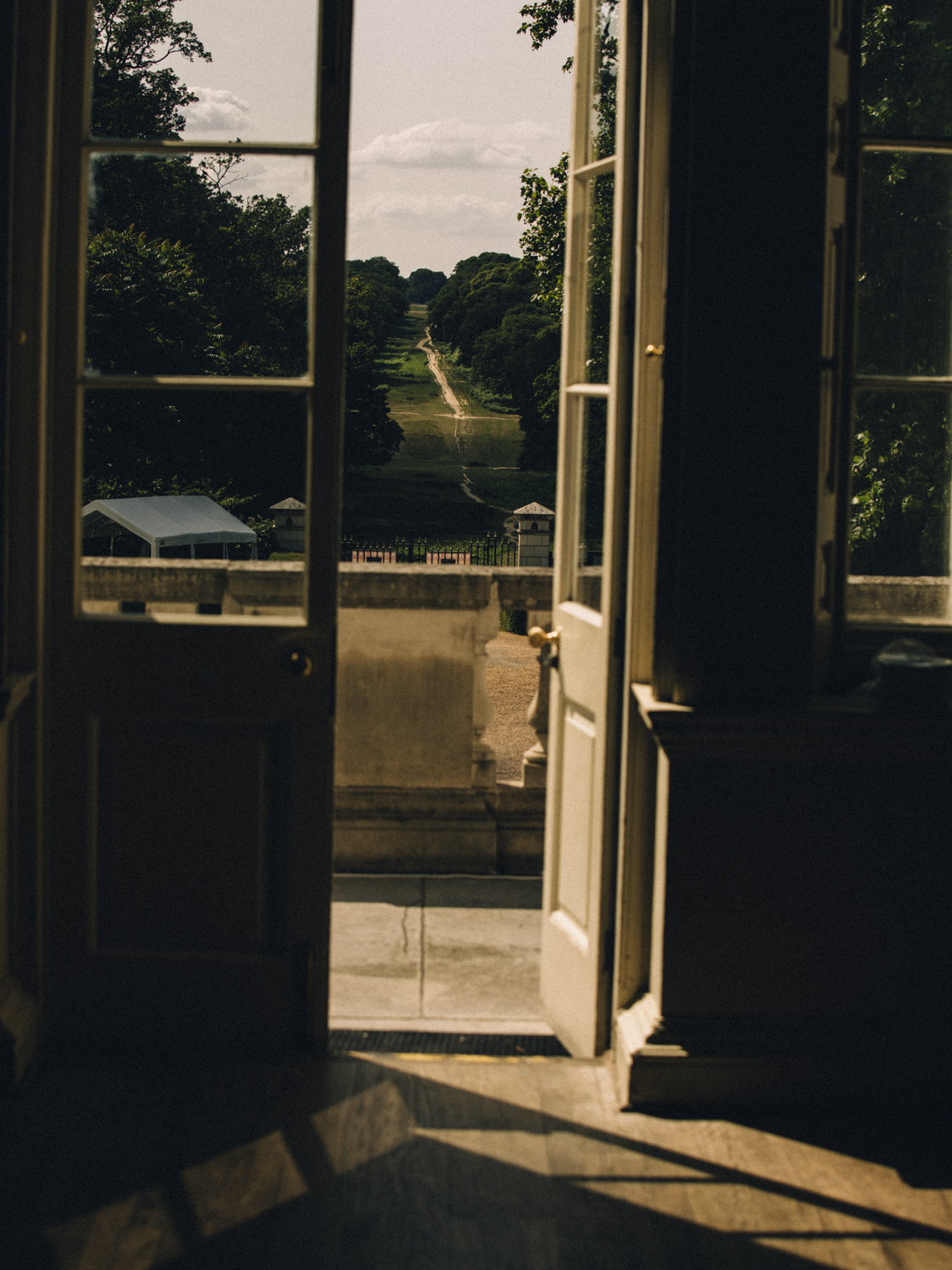
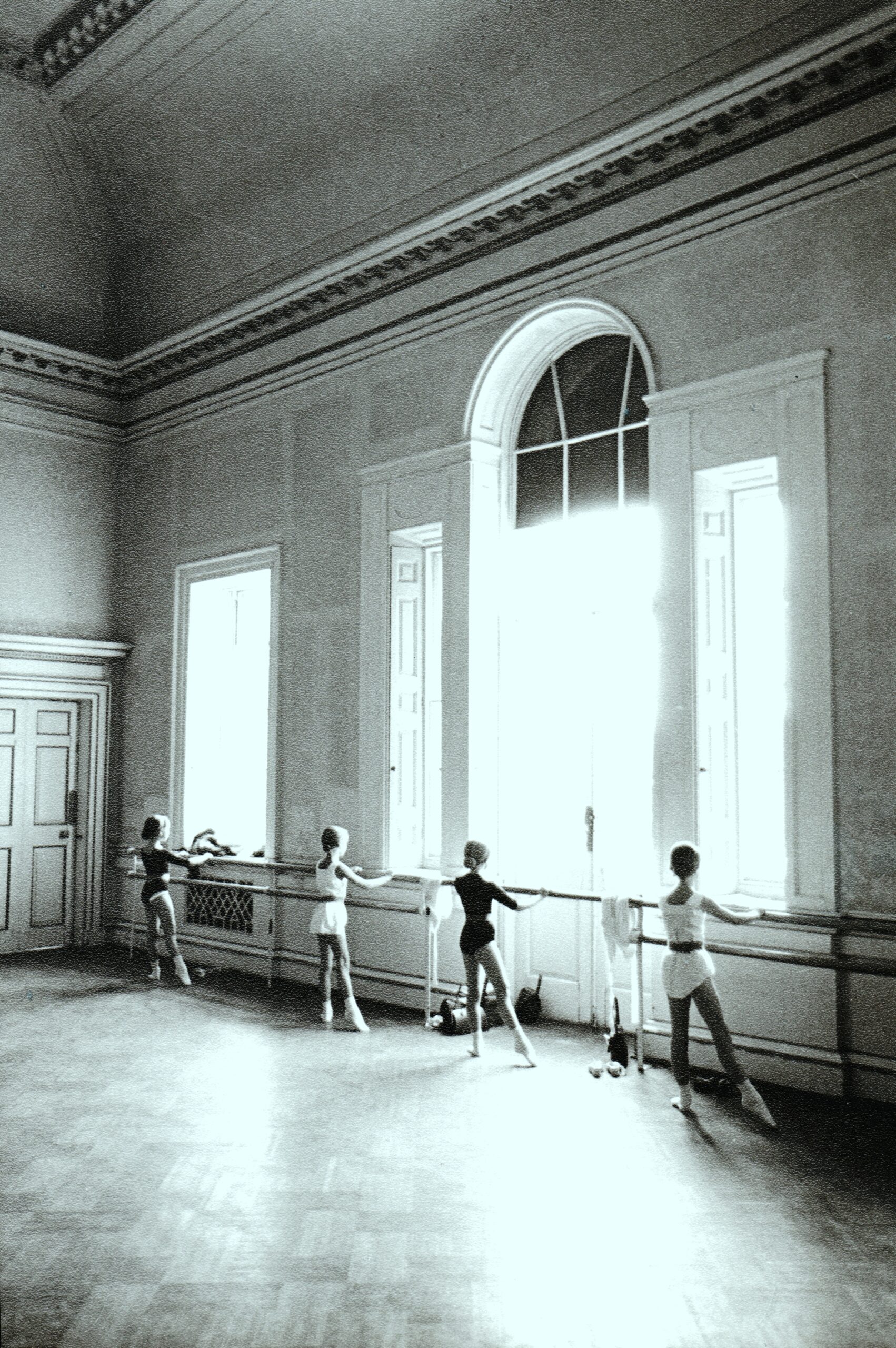
Rachel’s love of gardens stemmed from her father, who was also a keen gardener, and became meaningful during her childhood growing up at White Lodge. ‘l particularly loved taking class in the Salon. That studio was very important for me because I remember standing at the barre and looking out of the window along the length of the Queen’s Ride, being aware of the trees, the view and the changing seasons. That was my favourite place to stand. At Upper School on Talgarth Road, it was a mash up of different buildings and old studios that had a real atmosphere to it. It was all higgledy piggledy, but quite special.’
An untimely illness
Some of Rachel’s classmates went on to have careers in ballet, including Karen Paisey (former Principal with The Royal Ballet and former Associate teacher), Phillip Broomhead (former Principal with The Royal Ballet and now UNSCA School of Dance faculty) and Kim Gavin (dancer, choreographer and creative director of the 2012 Summer Olympics and Paralympics closing ceremonies). However, Rachel carved her own path following an untimely illness when she was 16.
‘I completed two years at Upper School, but midway through, I got glandular fever. It was devastating. I lost my stamina. I struggled to get through a whole class, barre and centre. This continued for more than a year. Eventually, the then Ballet Principal Barbara Fewster said, Rachel, this isn’t going to work. I realised that I had no recourse. As a student, I wasn’t in a position to argue and say, Please give me another six months to get stronger. In retrospect, I see that I was incredibly ambitious. I wanted to be in The Royal Ballet. I didn’t want to go to a smaller company somewhere in Europe. I was probably too single minded. It didn’t help that I wasn’t prepared to compromise.
The policy at the School at the time didn’t really allow students time to regain strength fully after a setback, and there was none of the help and healthcare to support recuperation as there is now. So, I left the School quite abruptly, going from dancing all day, six days a week, to trying to take daily class locally in Covent Garden. But it was hard to sustain the momentum I’d felt at the School. Eventually, feeling very much on my own, some months later I just decided to stop completely. It was heartbreaking.’
While visiting Upper School, Rachel was amazed by the healthcare facilities and on-site support that today’s students receive. She reflected that none of this support, all part of the Healthy Dancer Programme, existed during her time. She briefly met fellow alum Nick Cleverton, Head of Healthcare, and learned more about healthcare at the School.
‘I wonder whether if this had been available to me all those years ago, I might have been able to dance professionally. A lot of things do seem so much better in terms of pastoral care and looking after the whole person, including the way that the School has changed the age for entry into full-time training and the intensity of training for different years. When I was 10 I had to jump straight in. If you cried in class, you were sent out of the room. It was really tough. So, although developing that toughness has stood me in good stead in some ways, I think having a better balance is good.’
Planting new roots
Fortunately, she remembered alum and global yachtswoman Clare Francis giving a talk to her class while at the School about how ballet training sometimes does not follow a straight line, but can lead to other careers beyond professional dancing. ‘She was really inspiring, but at the time I remember thinking, this is great, but it’s not going to happen for me. Ballet training requires such single minded devotion that you don’t want to think of other options because you’re so invested.’
But eventually, Rachel was able to pivot and tried several different pathways as she reshaped her life. ‘When I stopped dancing, it was really hard, and I was completely lost. I had started an A-Level English course at Upper School, but no one else in my year was doing it, so I stopped and focused solely on my ballet training. Like most students at that time, I’d left White Lodge with just five GCSEs. Meanwhile, my brothers were heading for university, and I felt on the back foot when I left the School because I wasn’t really qualified for anything else. I was always interested in the arts in general, so I went to City Lit and studied History of Art. Then, I worked at a private art gallery on Bond Street called Colnaghi.’
While working, Rachel married her first husband and had the first of their two children (she’d go on to have two more with her second husband), which led her to an unexpected work opportunity. ‘I weirdly fell into modelling because a company called Mothercare, who sold maternity clothes, needed somebody with a real pregnancy bump. I did the photo shoot and thought nothing more of it. Then, a model agency picked me up, and I modelled for 10 years. I was the shortest girl on their books by a long way. I used to stand on my tiptoes and pretend I was very tall!’
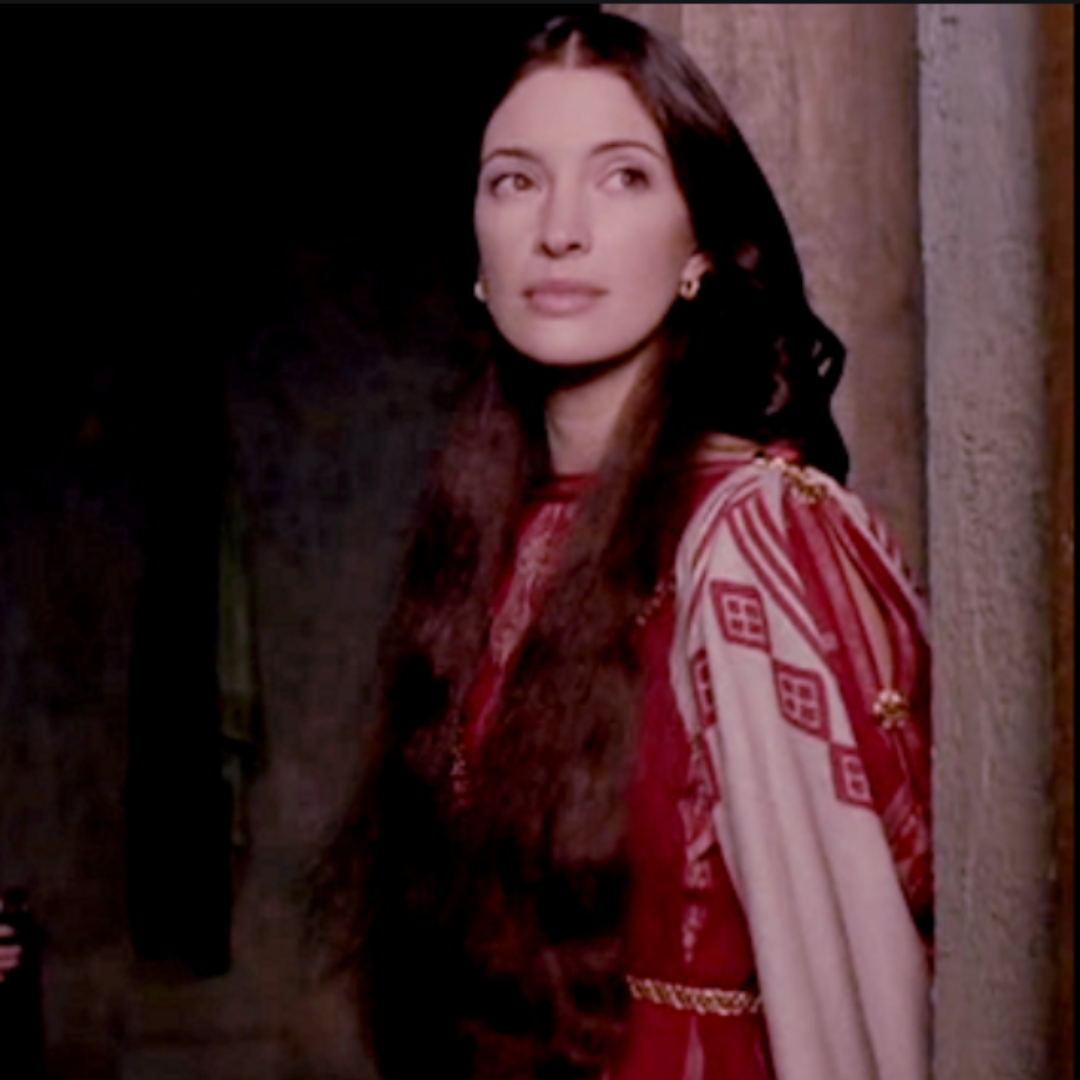
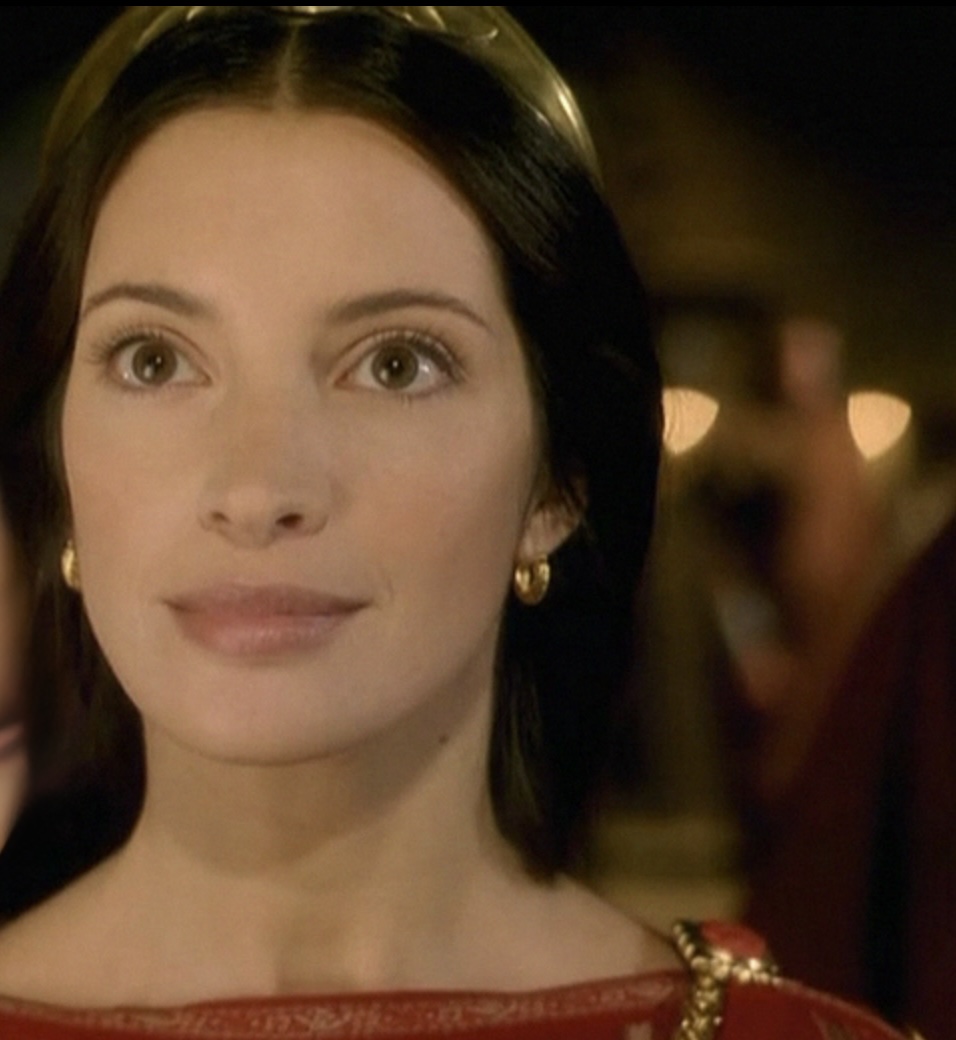
Rachel was often cast in TV commercials and this led to a few acting parts, including playing King Arthur’s mother, Lady Igraine, in the 1988 TV miniseries Merlin. But she was still searching for the same passion she’d felt in a ballet studio. She went back to her roots to find her next path. ‘As a child, I spent much of my time in the garden when I was home from White Lodge. I was surrounded by plants and gardening books. I remember watching Gardeners’ World every week with my father, and as a family, we often visited gardens. I was a nerdy little girl, interested in history, the arts and plants.
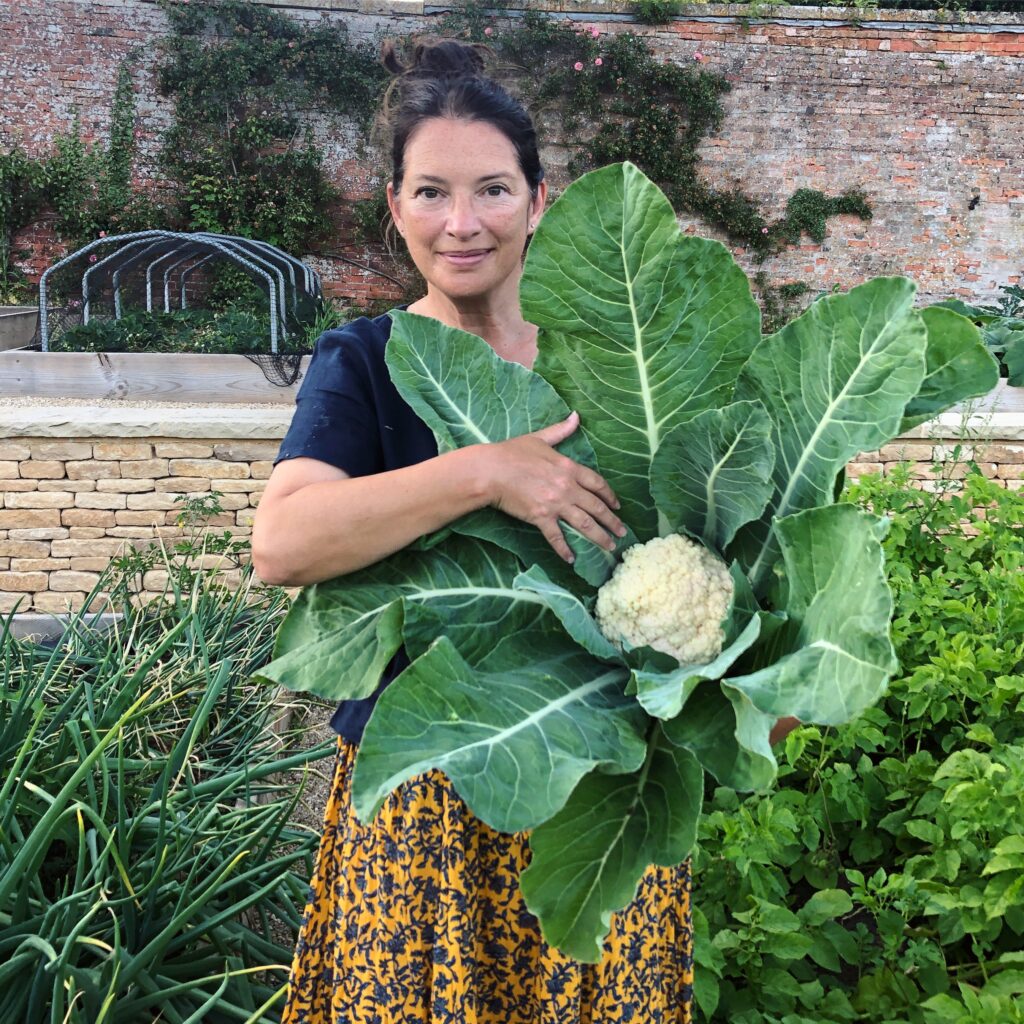
After a decade spent modelling, acting and making TV commercials, I’d become very comfortable being in front of a camera. Longing to combine this skill with a subject I was genuinely interested in, I decided to retrain and spent two years gaining professional horticultural qualifications at the English Gardening School. It was amazing. It was the first time since I’d left The Royal Ballet School that I really felt a passion for something.
I was like a sponge, absorbing as much as I could and going to extracurricular lectures. I loved it. Then, at the end of my studies, the school was contacted by an independent television production company who filmed the already long running Gardens’ World series for the BBC. One of the heads at the school knew that I was interested in moving into television, and I remember him running down the corridor, shouting ‘Rachel, this is for you!’
Her audition in front of the camera took place during a heavy downpour, and she crouched next to a large pot of compost, squinting up at the camera while planting bulbs and talking throughout. ‘The rain was like needles in my eyes. At the end, when they offered me the job, I was told, “At the audition, you didn’t stop. It was uncomfortable but you kept going. I thought, ha, that’s my dance training! And though I haven’t been able to take that training to what I’d hoped would be its natural conclusion, there are a number of times throughout my life where I’ve seen how the grit I developed at the School has stood me in good stead. I am so grateful for that.’
A second chance
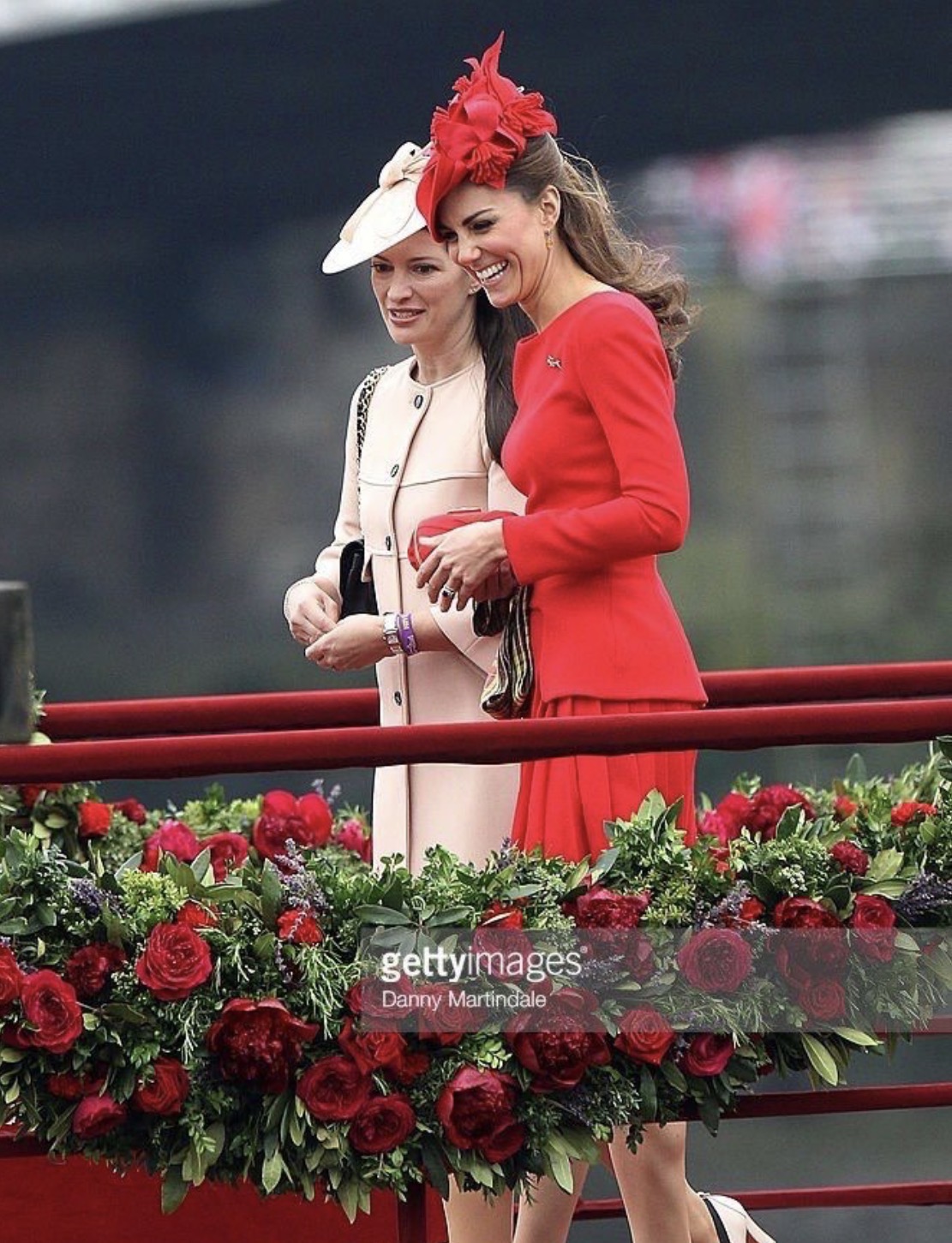
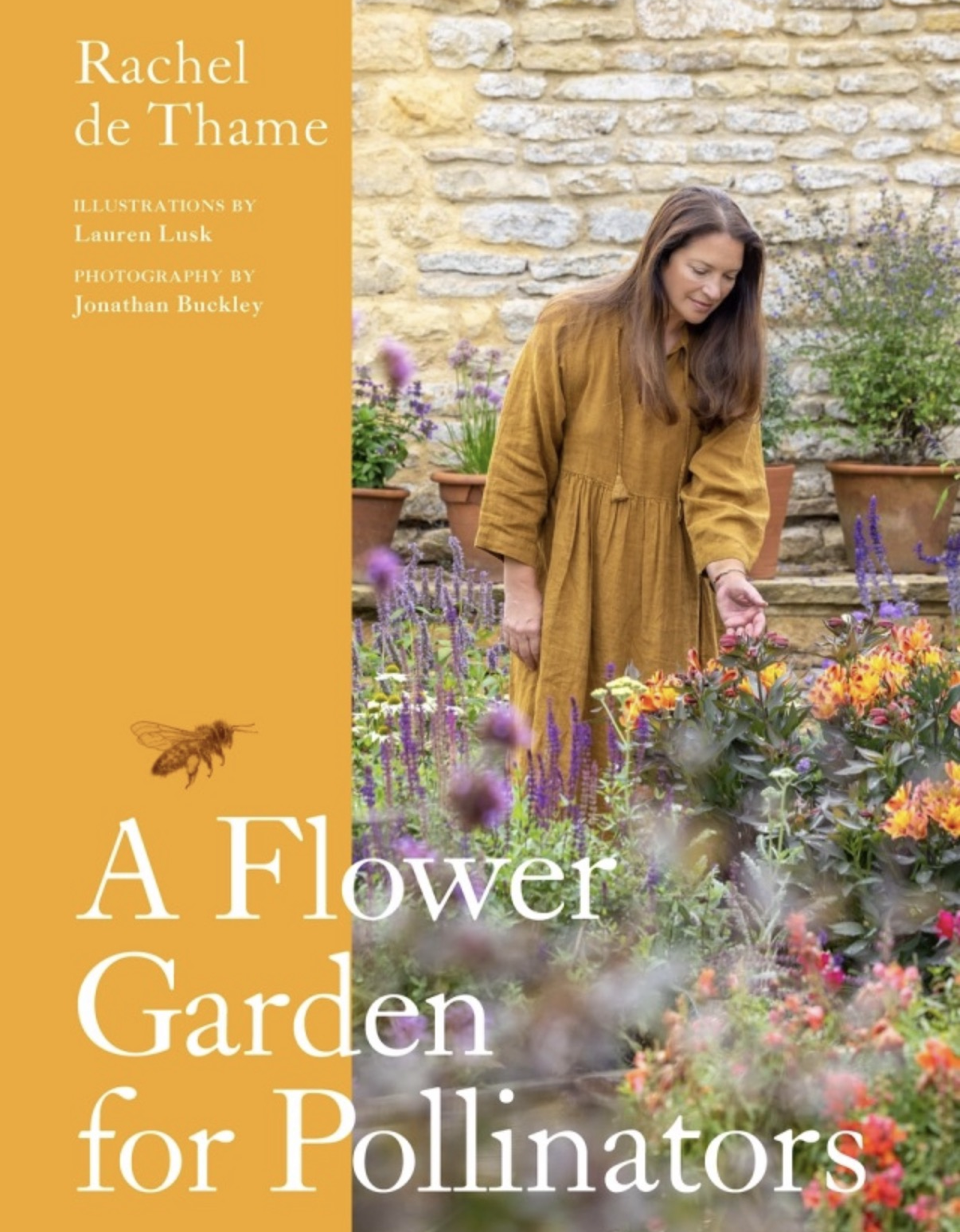
Rachel is now in her 27th year of presenting BBC’s Gardeners’ World, and she continues to co-host the Chelsea Flower show and appear on other programmes. She decorated the royal barge for the late Queen’s Diamond Jubilee in 2012 and has written four books, most recently A Flower Garden for Pollinators with watercolour botanical illustrations by her daughter, Lauren Lusk.
‘At White Lodge, there was a lovely English teacher called Mrs Siegel, and I think about her often. When I was ten, after handing back an essay, she told me, I think you can write, and that gave me the confidence, despite only having done GCE English aged 14, to think that maybe I could. I love writing now. It’s a big part of what I do, and I enjoy it enormously.
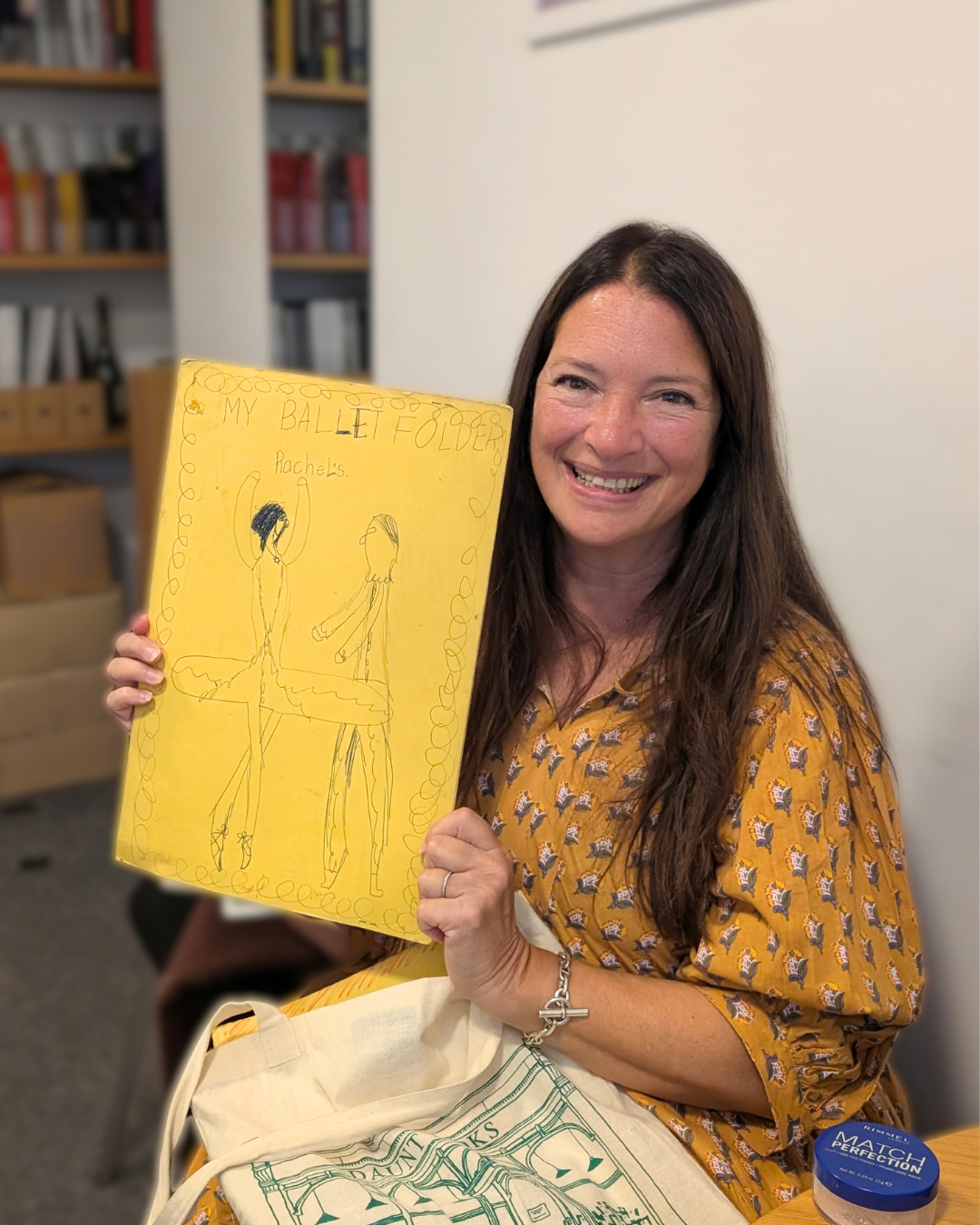
My career has been unexpectedly varied. It took a long time for me to accept that I wouldn’t dance professionally, and I still dream that I might still get just one go at Lady Capulet, but I am incredibly grateful that I got a second chance. It’s been wonderful to find something else in life, not to replace ballet, which remains my first love, but that has brought me as much fulfilment and joy. Interestingly, other Royal Ballet School alumni have moved from dance into working with flowers. I believe that our training in creating ever evolving shapes, enjoying movement, finding balance and embracing the ephemeral nature of art forms that live in the moment, links dance with nature in the most wonderful way.
She still enjoys going to the Royal Opera House, never tires of watching ballet, and is particularly impressed by the upcoming generation of dancers, who have benefitted from more support from the School than ever before.
‘You look at dancers who are coming out of the School and think, These are magicians! How can they possibly do these incredible things with their body and still have that complete commitment to the artistry and musicality? I take my hat off to all who go through the School. I know what it takes, and wish each and every one of them success for the future.’
Catja Christensen is the Marketing and Communications Executive at The Royal Ballet School and joined the School in 2025. She enjoys interviewing students, staff and guest artists for news stories and crafting eye-catching newsletters.