
The Royal Opera House opens part one of The Royal Ballet School’s centenary exhibition, designed by Exhibitions Curator Robin Footitt
Early on Monday, 18 May, the Royal Opera House lobby transformed into a flurry of mannequins, archival costumes and light fixtures to set The Royal Ballet School’s centenary exhibition.
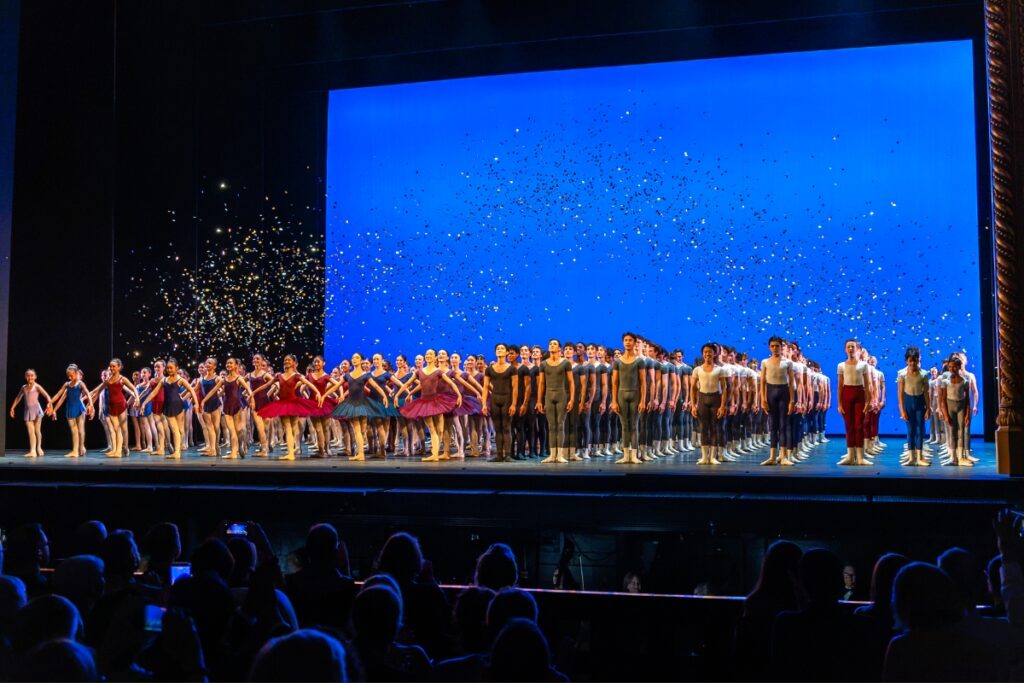
Designed by the Royal Ballet and Opera’s Exhibitions Curator Robin Footitt, this display marks the first of three exhibition sections featuring the School’s history, notable alumni and student costumes. The second two sections will follow in the coming months, including a spotlight on School alum and Artist Laureate Darcey Bussell and a photography display showing life at the School from the past and present.
Robin works in the RBO’s Learning and Participation Team as part of the public engagement programme, which includes Insight Talks, Family Sundays, School Matinees, Live at Lunch and all other events that activate the building. He collaborated with the School’s Manager of Special Collections Anna Meadmore and the Audiences team to curate and design the exhibition alongside the broader centenary campaign.
The building is Robin’s stage, from the lobby to the halls leading to the auditorium. He observes how people navigate the building and tailors his displays to fit their needs. ‘When I started working here, I went on all the tours. I wanted to see where in the building people were struggling to find a common place. That’s my secret power: finding those spots where people need some kind of guidance or story home.’
Building a new exhibition takes time and planning, liaising between prop and costume departments, programming and archivists. ‘I try and cast about 18 months in advance, but planning for special anniversary exhibitions, like The Royal Ballet School’s centenary, existed before I started working here two and a half years ago. I had many conversations with Anna about the importance of the event and what to include. The design process starts with blocking out the timeline of how the calendar year will look, what the key messaging is, what stories you want to tell and what space is available. We have such an active audience, whether they’re here for a coffee in the cafe or with a ticket ready to go to the stage.
There are two sets of cases by the box office in the shop and the main case in the lobby, which is closest to the auditorium. I usually try to show a balance of ballet and opera in terms of the companies and what they’re performing. It’s a combination of history and current stagecraft. I loan objects from props and use costume revivals as much as I do from the archives.
There’s a lot of thoroughfare but also time to linger. This building gets incredibly busy during certain periods, so it’s important to have a takeaway from the display, even if it’s a small chunk of text next to a label. It’s all about how easy it is to access that. For this centenary exhibition, the key messages for me were how the School’s story has developed over the last 100 years and how it influences how The Royal Ballet and British ballet in general is performed. Showing those two elements is the key.’
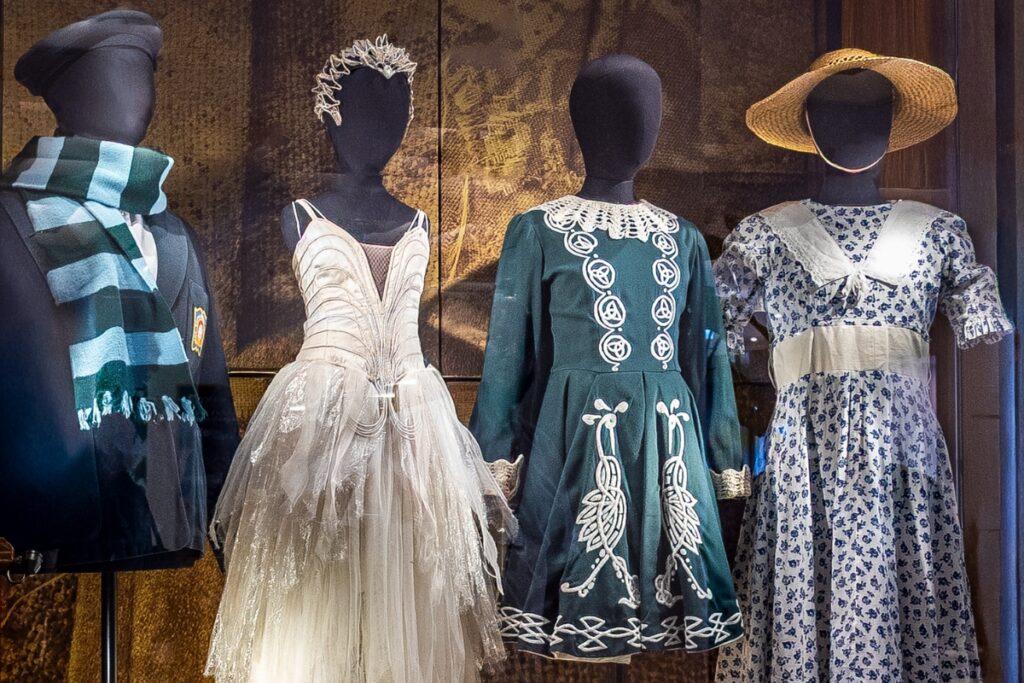
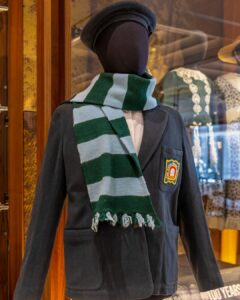
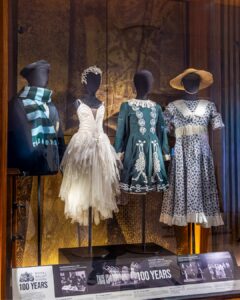
Robin achieves these goals in the first exhibition with a simple timeline lining the bottom of the display cases. Photos from across the years run parallel above the timeline, including a classroom picture from 1957 underneath a mannequin sporting a vintage blazer and striped scarf. Sarah Wildor’s costume from En Bateau, choreographed by Sir David Bintley for Dame Ninette de Valois’ 90th birthday, is shown next to a traditional Irish dancing costume, with a photo of current Director of The Royal Ballet Kevin O’Hare performing an Irish dance with classmates while attending the School.
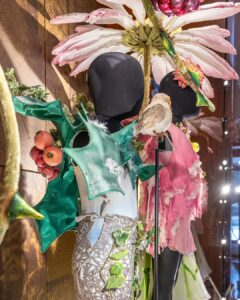
‘Across these two cases, we have a bit of history with White Lodge uniform then the Swan Lake and Irish dancing costumes telling the first part of the story. Then, for the second case, I found costumes that are used today by students performing Cinderella. There are eight page costumes, but I condensed it to four for the display case, which was challenging. Jessica Burgess, a conservator from Soteria Conservation, does a great job of mounting them in such a way that you see the life of the costume again.’
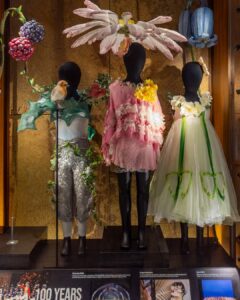
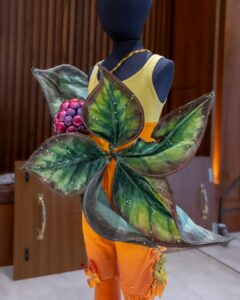
As the first display cases in the lobby were being prepared, Robin shared an overview of what visitors can expect when they walk through the completed exhibition. ‘If you enter from the Covent Garden Piazza, you will see a playful start, which is a small mouse costume from The Tales of Beatrix Potter, a very popular Frederick Ashton ballet that hasn’t been performed in a long time but always comes up on social media. I am telling the story of roles performed by students throughout, and this costume is a good introduction to it all. The labels all have the School’s centenary branding, so it will be recognisable to anyone passing by.
From mid-June, we will display the story of Darcey Bussell from the School to the Main Stage. We will show two costumes that span her career: Princess Rose from Kenneth MacMillan’s The Prince of the Pagodas (1989), which helped launch her career, and a white dress from Kenneth MacMillan’s Song of the Earth, which she chose for her farewell performance in 2007. She is almost in the same pose in photos wearing both costumes, which gives you chills. We will also have photos from when she was at White Lodge and her graduation photo. That will be in the box office case. Later in the summer, we will show archival photos of life at White Lodge, which makes you think about the students, how young they were and how they were being looked after.’
Robin studied painting at Central Saint Martins and the Royal College of Art and found his way to the Royal Opera House through his curation work in auction houses and galleries. He is passionate about helping make the performing arts accessible and engaging for all audiences.
‘My experience is with visual storytelling, and I came to the Royal Opera House with curiosity for ballet and opera. I had never seen a performance on stage here. The only thing I’d seen before being employed here was the Pet Shop Boys, so it’s amazing to have the opportunity to see so much.
Being a bit of a cultural sponge, I love all art. I like the idea of coming to sample ballet and opera but telling these stories from the perspective of an informed friend rather than an expert. It’s important to explore how people’s perceptions about ballet and opera can be altered by just showing the craft of what’s happening on stage, and it all happens within this building.
I think it’s important that my role is in the Learning team because what I want to do is spread a message about the craft and dedication of everything going on without the ties towards commercial sensibilities. It is all about giving easy access to information to the general public.’
Visit part one of the centenary exhibition, now on display in the Royal Opera House lobby by the cafe, and return throughout the summer to see the Darcey Bussell and photography displays. The Royal Opera House is open daily to visitors from 12.00.
Keep up with our summer centenary events calendar for more behind-the-scenes opportunities, including our Beyond the Bridge tours.
Where do I book to see The Royal Ballet School Centenary exhibition?
No need to book! Just visit the Royal Opera House during visiting hours.
How long will the exhibition run?
The exhibition will run throughout 2026, with two more sections to be added in June and July.
Catja Christensen is the Marketing and Communications Executive at The Royal Ballet School and joined the School in 2025. She enjoys interviewing students, staff and guest artists for news stories and crafting eye-catching newsletters.